.png?x-oss-process=image/resize,h_500,m_lfit/format,webp)
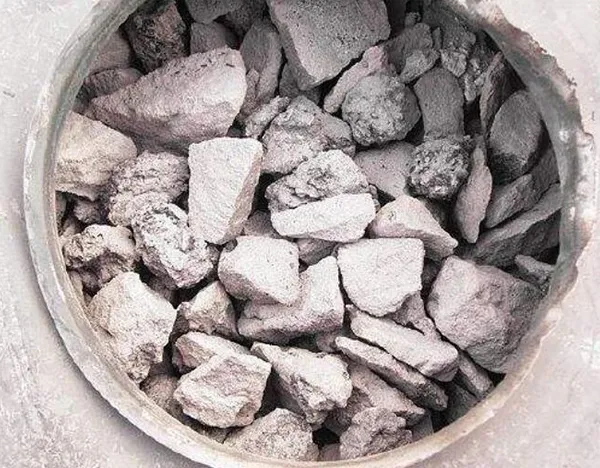
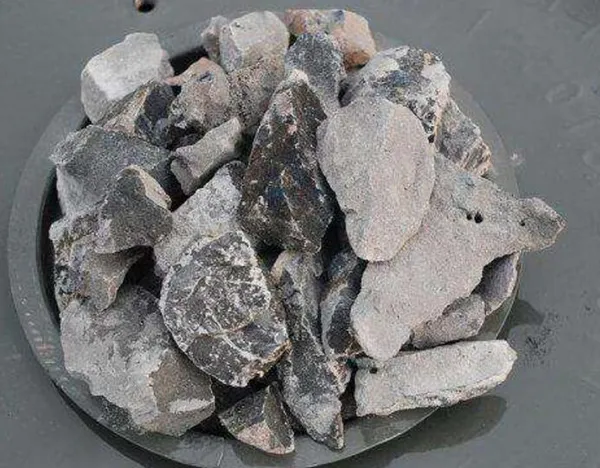
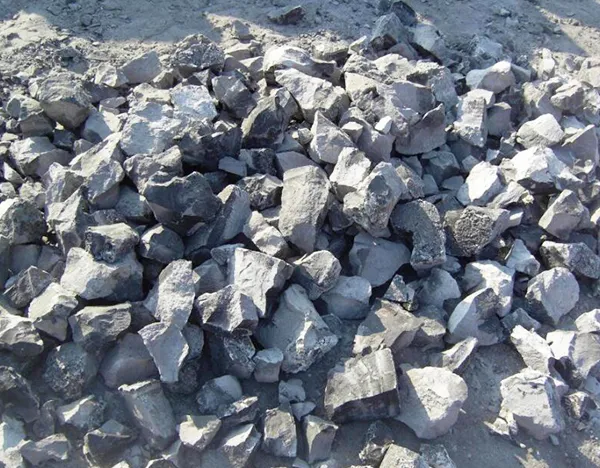
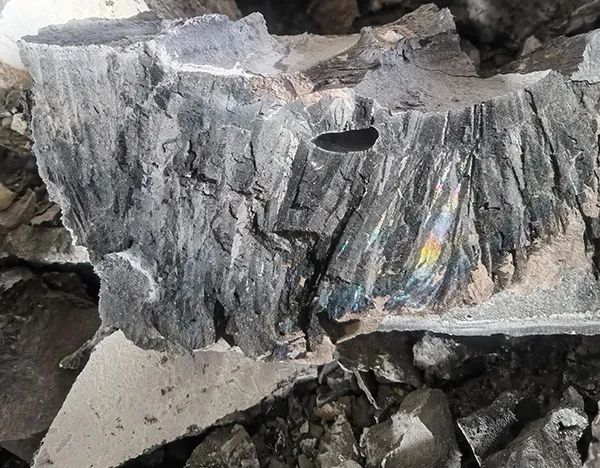
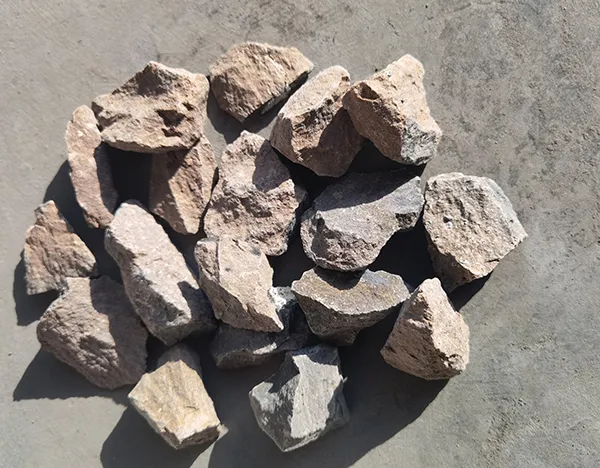
In the field of steelmaking, desulfurization is a crucial process to ensure the quality of steel products. Calcium carbide, also known as calcium carbide (CaC₂), has long been recognized as an effective desulfurization agent. This article delves deep into the mechanism of calcium carbide in the steel desulfurization process and provides practical guidance on optimizing key parameters.
The desulfurization process using calcium carbide is based on a specific chemical reaction. When CaC₂ is added to molten iron, it reacts with sulfur (S) in the iron to form calcium sulfide (CaS) and carbon monoxide (CO) gas. The chemical equation is as follows: CaC₂ + S = CaS + 2C + CO↑. Understanding this reaction mechanism is the foundation for optimizing the desulfurization process.
Three key variables - temperature, particle size, and addition timing - significantly affect the desulfurization efficiency. Temperature plays a vital role as it affects the reaction rate. Generally, a higher temperature within a certain range can accelerate the reaction. For example, when the temperature is increased from 1300°C to 1400°C, the desulfurization efficiency can be improved by about 10 - 15%.
The particle size of calcium carbide also matters. Smaller particles have a larger surface area, which can increase the contact area with sulfur in the molten iron and thus enhance the reaction efficiency. However, if the particles are too small, they may be blown away by the gas flow in the furnace. An appropriate particle size range is usually between 3 - 10 mm.
The addition timing is another critical factor. Adding calcium carbide at the right time can maximize its desulfurization effect. For instance, adding it at the early stage of the refining process when the sulfur content is relatively high can achieve better results.
Based on the actual operating data from steel mills in Xinjiang, adjusting the desulfurization parameters can significantly improve the desulfurization effect. For example, after optimizing the temperature, particle size, and addition timing, a certain steel mill reduced the sulfur content in the steel from 0.03% to 0.01%, which is a remarkable improvement in product quality.
During the desulfurization process, several common problems may occur, such as insufficient desulfurization, large fluctuations in furnace temperature, and abnormal consumption of calcium carbide. For insufficient desulfurization, it may be due to improper particle size or addition timing. By adjusting these parameters, the problem can be solved. When the furnace temperature fluctuates greatly, it may be necessary to control the heating rate and the amount of calcium carbide added.
The industry is constantly evolving. New research trends, such as the application of micronized calcium carbide and the integration of online monitoring technology, are emerging. Micronized calcium carbide can further improve the desulfurization efficiency, and online monitoring technology can help operators adjust the parameters in real - time.
Our high - purity calcium carbide products have been stably operating in multiple steel mills. If you are interested in optimizing your desulfurization process, click here to learn more about our technical adaptation solutions.
 335
|
335
|
 high stability chemicals
calcium carbide
CaC2
industrial challenges of high temperatures
industrial conductivity issues
synthetic rubber
resin synthesis
precious metal extraction
wholesale supply
40
|
Safe use of calcium carbide
Risk avoidance of calcium carbide
Safety of calcium carbide
Prevention of acetylene explosion
Protection against phosphine poisoning
81
|
calcium carbide safety handling
acetylene gas explosion prevention
phosphine poisoning control
chemical storage best practices
calcium carbide safety guidelines
164
|
Industrial calcium carbide
Calcium carbide supply
Acetylene gas production
Steel desulfurizer
Inner Mongolia chemical raw materials
411
|
Physical and chemical properties of calcium carbide
Calcium carbide storage requirements
Acetylene generation
Chemical raw material transportation safety
Calcium carbide safety management
high stability chemicals
calcium carbide
CaC2
industrial challenges of high temperatures
industrial conductivity issues
synthetic rubber
resin synthesis
precious metal extraction
wholesale supply
40
|
Safe use of calcium carbide
Risk avoidance of calcium carbide
Safety of calcium carbide
Prevention of acetylene explosion
Protection against phosphine poisoning
81
|
calcium carbide safety handling
acetylene gas explosion prevention
phosphine poisoning control
chemical storage best practices
calcium carbide safety guidelines
164
|
Industrial calcium carbide
Calcium carbide supply
Acetylene gas production
Steel desulfurizer
Inner Mongolia chemical raw materials
411
|
Physical and chemical properties of calcium carbide
Calcium carbide storage requirements
Acetylene generation
Chemical raw material transportation safety
Calcium carbide safety management







.png?x-oss-process=image/resize,h_600,m_lfit/format,webp)