.png?x-oss-process=image/resize,h_500,m_lfit/format,webp)
In modern steel production, sulfur control is critical for achieving high-quality output—especially in regions like Xinjiang where raw material variability and temperature fluctuations challenge consistent process performance. This article dives into the role of calcium carbide (commonly known as "electrocalcium") in desulfurization, drawing on real-world data from a leading steel mill in northern Xinjiang that achieved up to 35% improvement in sulfur reduction efficiency after implementing targeted operational adjustments.
At temperatures above 1,500°C, calcium carbide reacts with dissolved sulfur in molten iron to form calcium sulfide (CaS) and carbon monoxide gas:
CaC₂ + [S] → CaS + 2[C]
This reaction is highly exothermic and thermodynamically favorable under controlled conditions. However, its effectiveness hinges on three key factors: temperature stability, particle size distribution, and precise timing of injection.
These parameters were validated through a six-month pilot at the Xinjiang facility, which recorded an average sulfur level drop from 0.045% to 0.027% using optimized CaC₂ dosing protocols—without increasing energy consumption or processing time.
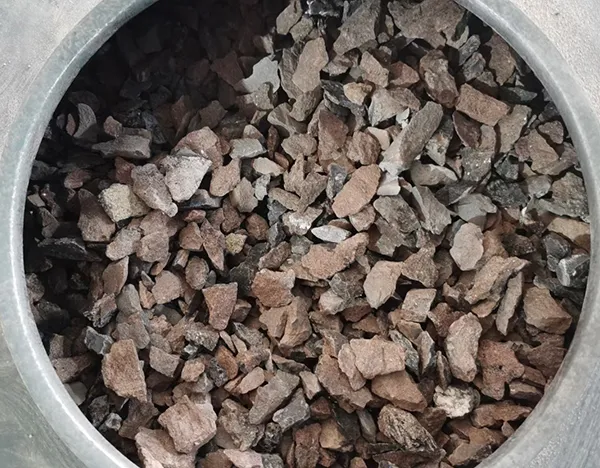
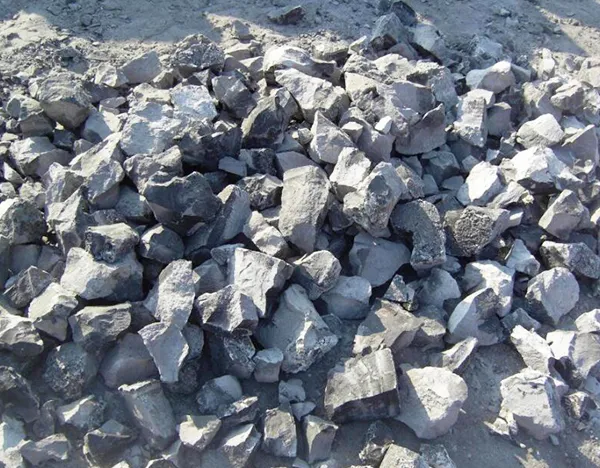
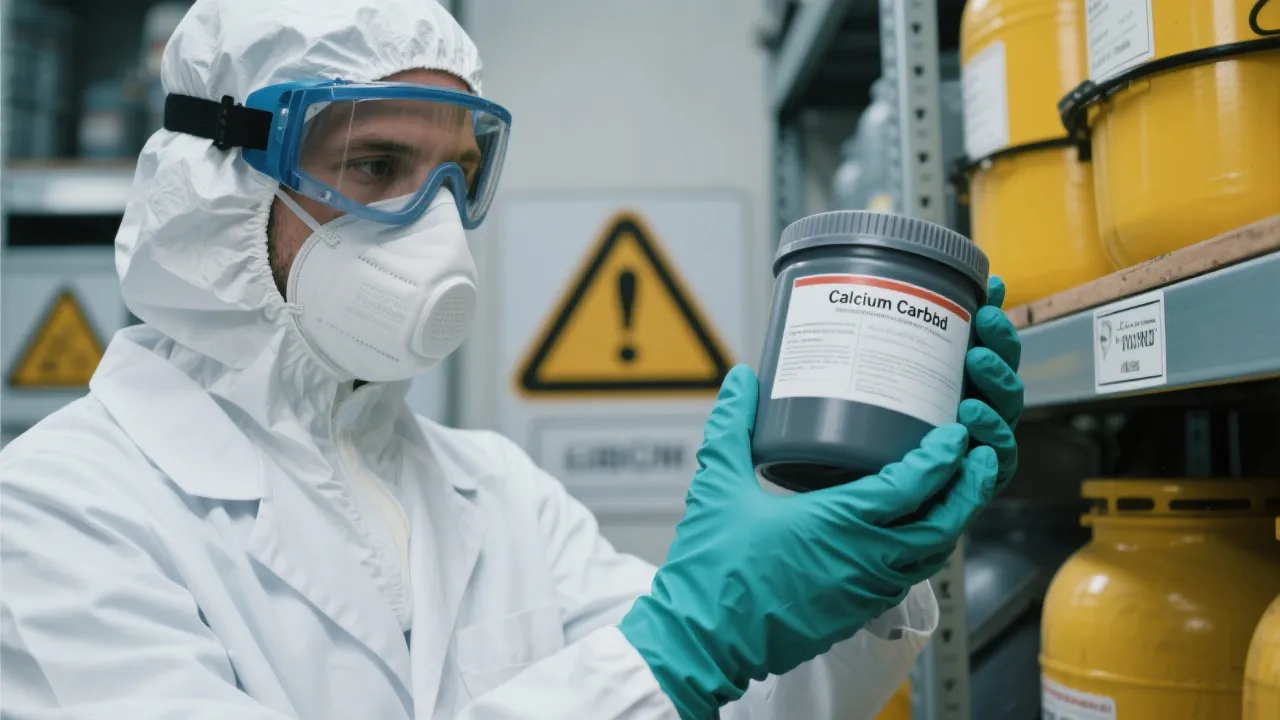
Common issues reported by mills include inconsistent slag formation, excessive gas generation, and uneven mixing. Our team observed that these often stem from improper storage (moisture absorption reduces reactivity), poor injection technique, or incorrect batch consistency. For example, one mill experienced frequent clogging due to oversized chunks—resolved by introducing a secondary crushing step before use.
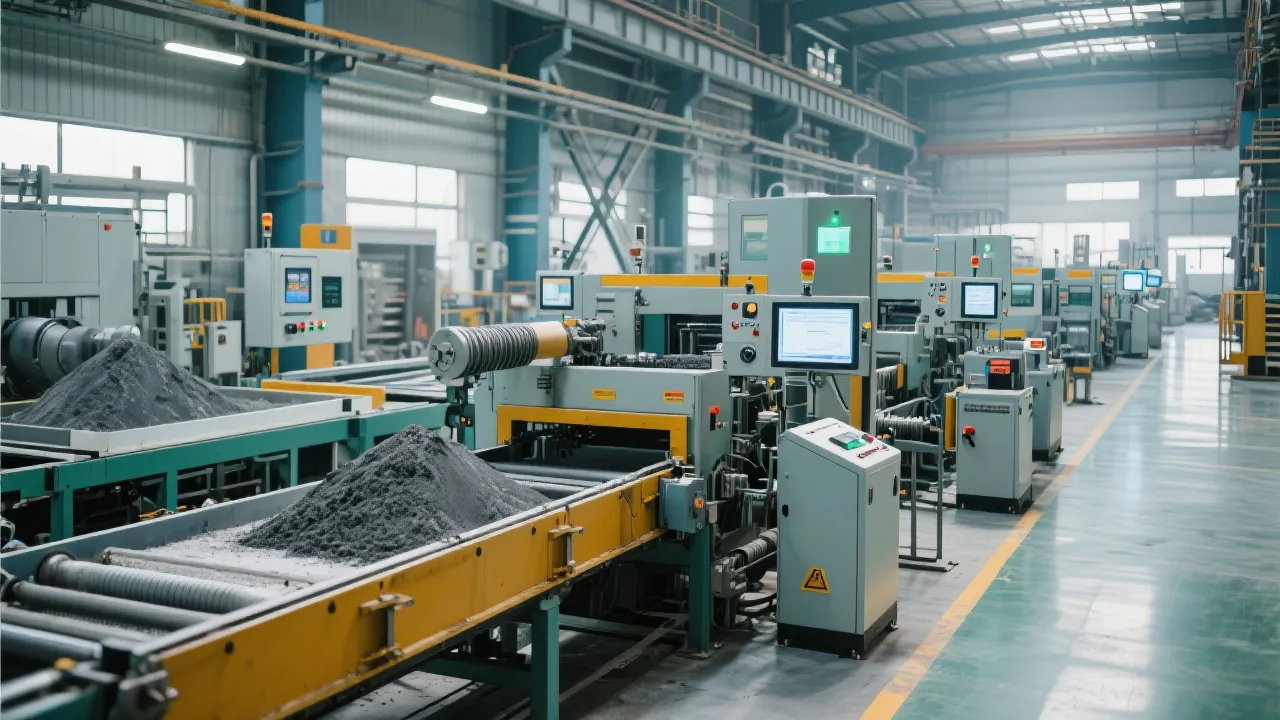
By adopting a systematic approach—monitoring input quality, calibrating equipment, and training operators—we helped another plant reduce downtime by 30% while maintaining target sulfur levels below 0.03%.
Pro Tip: Always test a small batch first—especially when switching suppliers or adjusting furnace conditions. Even minor differences in CaC₂ purity (e.g., 85% vs. 92%) can significantly affect outcome consistency.
The global steel industry is exploring advanced methods such as continuous injection systems and AI-driven predictive modeling for desulfurization. In China, pilot projects are testing nano-enhanced calcium carbide formulations that improve dispersion and reduce dosage requirements by up to 15%. These innovations align with sustainability goals—lowering emissions, reducing waste, and enhancing productivity.
 113
|
113
|
 high-quality calcium carbide
calcium carbide industry standards
calcium carbide testing certification
high-performance calcium carbide
calcium carbide supplier
38
|
Calcium carbide storage points
Safe storage of calcium carbide
Industrial chemical transportation safety
Acetylene gas production raw material
Hazardous goods logistics management
34
|
["high-performance calcium carbide"
"calcium carbide supplier"
"acetylene gas production"
"global calcium carbide market"
"calcium carbide quality control"]
472
|
calcium carbide technology
high-performance calcium carbide
acetylene gas production
calcium carbide export
Longwei Chemical
459
|
Calcium carbide storage
Calcium carbide characteristics
Acetylene gas production
Chemical safety
Storage precautions
high-quality calcium carbide
calcium carbide industry standards
calcium carbide testing certification
high-performance calcium carbide
calcium carbide supplier
38
|
Calcium carbide storage points
Safe storage of calcium carbide
Industrial chemical transportation safety
Acetylene gas production raw material
Hazardous goods logistics management
34
|
["high-performance calcium carbide"
"calcium carbide supplier"
"acetylene gas production"
"global calcium carbide market"
"calcium carbide quality control"]
472
|
calcium carbide technology
high-performance calcium carbide
acetylene gas production
calcium carbide export
Longwei Chemical
459
|
Calcium carbide storage
Calcium carbide characteristics
Acetylene gas production
Chemical safety
Storage precautions







.png?x-oss-process=image/resize,h_600,m_lfit/format,webp)