Calcium Carbide and Water Reaction Mechanism: Acetylene Generation and Lab Safety Against Calcium Phosphide Impurities
2026-03-21
Technical knowledge
This article provides a clear, chemistry-based explanation of how calcium carbide (CaC2) reacts with water to generate acetylene (C2H2), detailing the reaction pathway, key equations, and the characteristics of the main products—acetylene gas and calcium hydroxide. It also highlights critical laboratory safety risks associated with impurity-driven side reactions, with particular focus on calcium phosphide (Ca3P2) contamination that can release pyrophoric phosphine and elevate explosion hazards. Using incident-style risk scenarios and practical prevention logic, the article summarizes effective controls: selecting appropriate generators and reaction vessels, ensuring ventilation and flashback protection, implementing leak testing and controlled water addition, and preparing emergency response measures. Common misconceptions in acetylene preparation are addressed to improve both yield stability and operational safety. For decision-stage readers, the content further explains why choosing high-purity calcium carbide can materially reduce impurity-related risks and support more consistent acetylene output, underscoring reliable quality assurance and supply capabilities from Longwei Chemical.
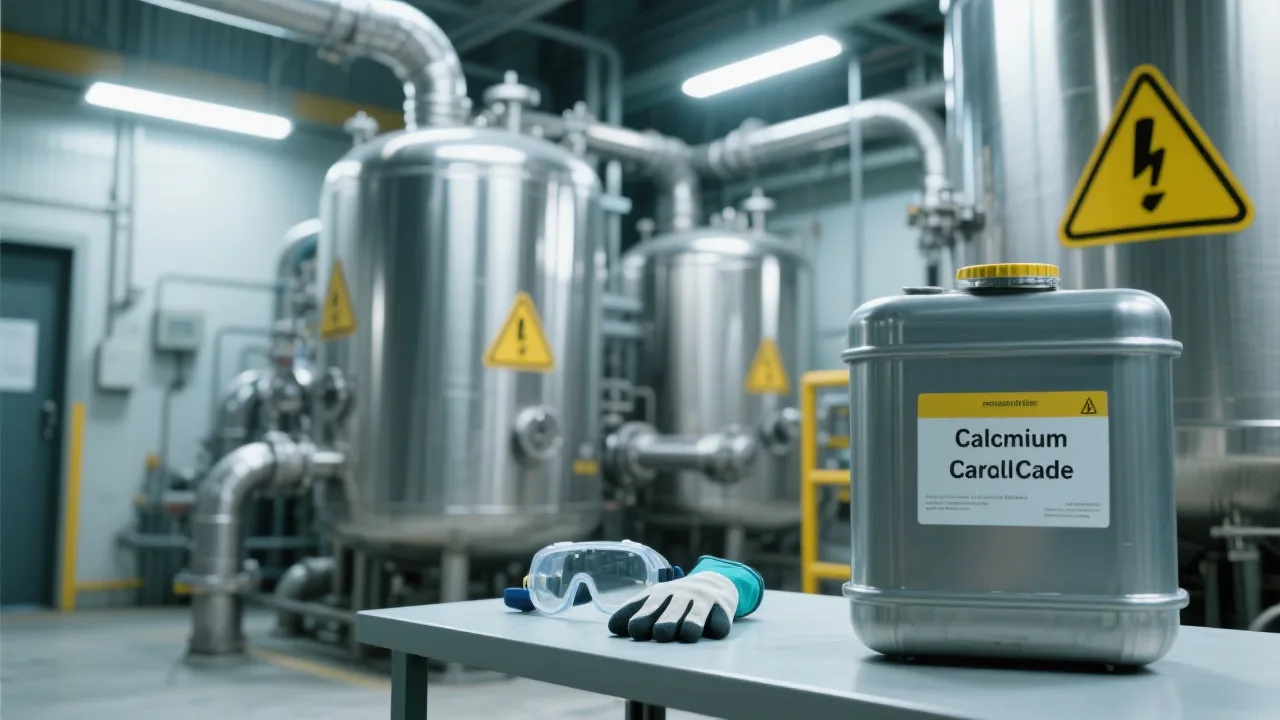
Technical Knowledge • Laboratory Safety • Decision-Stage Reference
Calcium Carbide + Water: Reaction Mechanism, Acetylene Generation, and the Safety Truth About Impurities
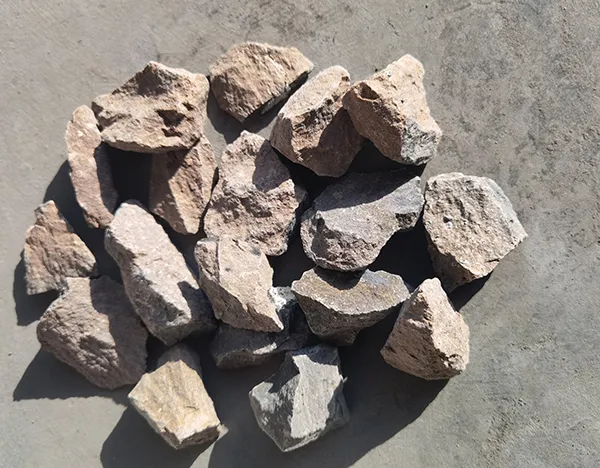
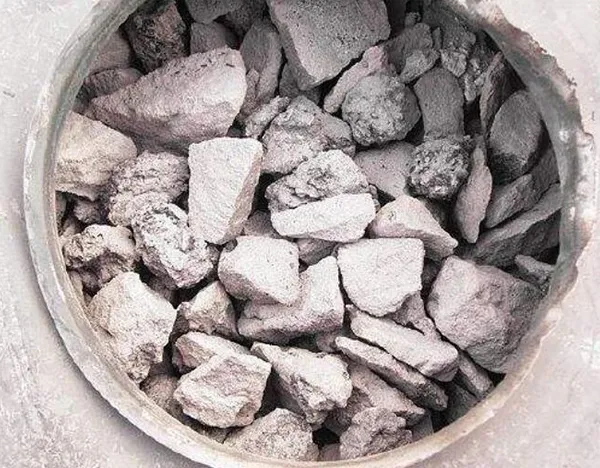
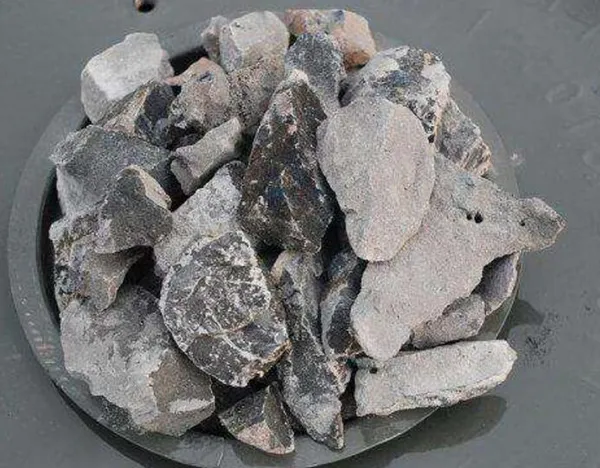
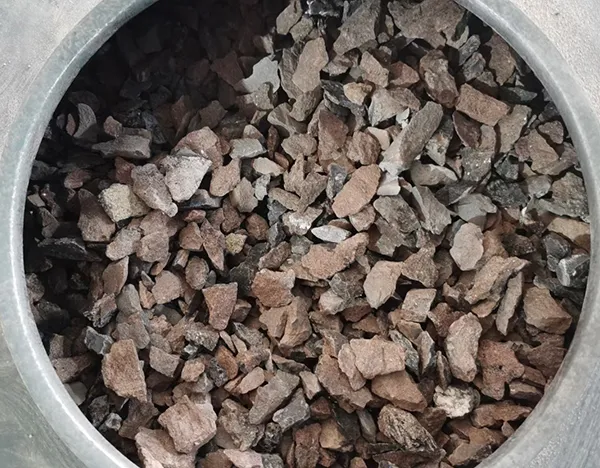
Acetylene (C2H2) is commonly generated on-demand in laboratories and pilot lines by reacting calcium carbide (CaC2, also called “carbide”) with water. The chemistry is straightforward, but the risk profile is not—especially when carbide contains reactive impurities such as calcium phosphide. This article explains the real reaction pathway, what the by-products tell you, and how a safer setup is built in practice—while highlighting why consistent, high-purity material (such as 隆威化工 supply) matters for control, compliance, and peace of mind.
1) The Core Chemistry: What Actually Happens When CaC2 Meets Water
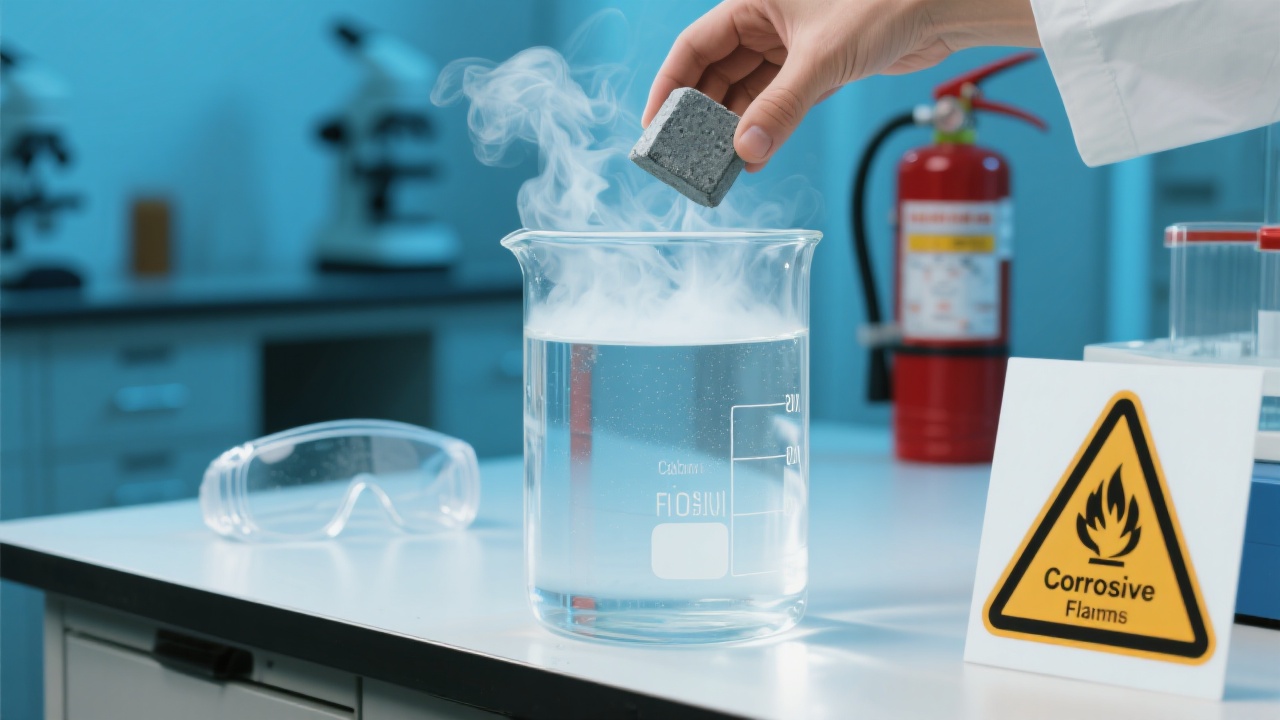
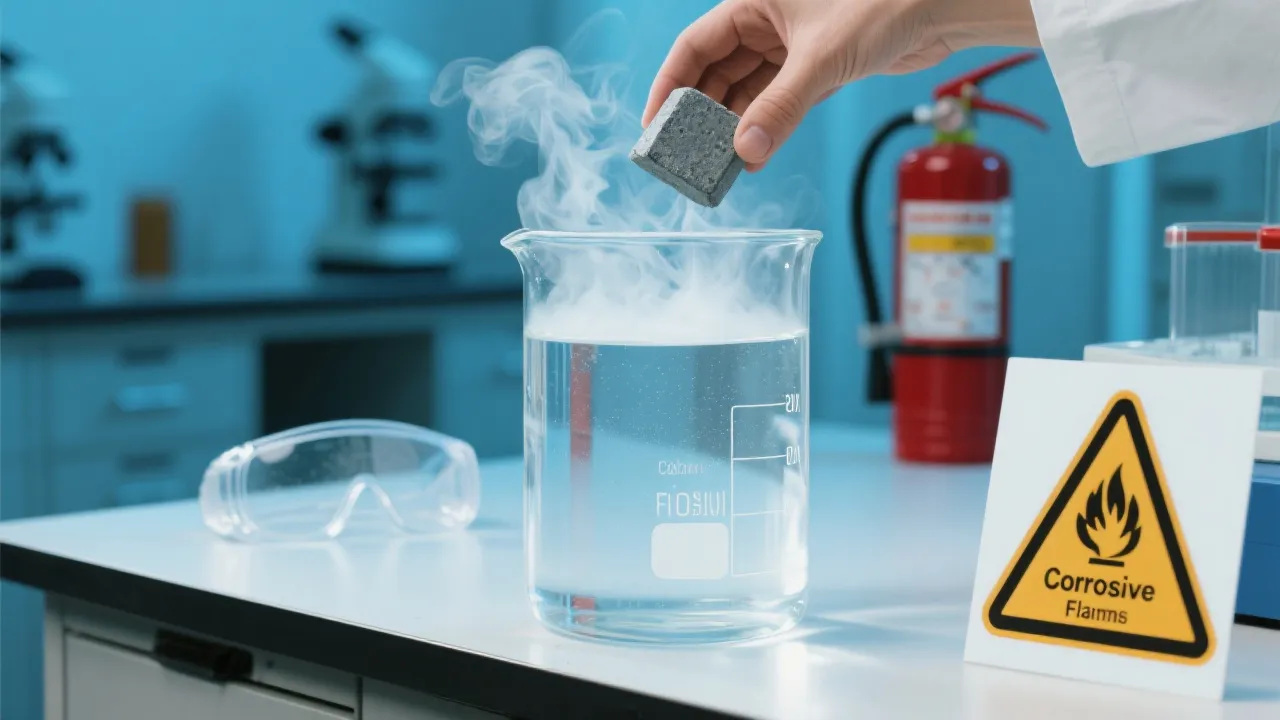
The principal reaction is a hydrolysis that converts carbide into acetylene gas and calcium hydroxide (slaked lime). In ideal conditions, the overall stoichiometry is:
Reaction: CaC2 + 2H2O → C2H2 ↑ + Ca(OH)2 ↓
Practical note: the acetylene evolves as a gas; Ca(OH)2 forms a slurry/precipitate that can block lines if not managed.
Mechanistic view (simple but useful)
CaC2 is best understood as Ca2+ paired with the acetylide anion C22−. Water protonates the acetylide, stepwise, producing acetylene while hydroxide coordinates with calcium to form Ca(OH)2. The reason this matters operationally is that the reaction rate is strongly influenced by:
- Water dosing & contact area: faster with finer particle size, higher wetting, and more water access.
- Heat release: the hydrolysis is exothermic; higher temperature can accelerate gas evolution and increase pressure spikes.
- Slurry handling: Ca(OH)2 can cake, foam, and trap gas pockets—affecting flow stability.
In many lab generators, a controlled drip of water onto carbide (rather than dumping carbide into water) reduces sudden surges, stabilizes gas flow, and makes backfire protection easier to manage.
2) Purity Isn’t “Nice to Have”: Impurity Chemistry That Changes the Risk
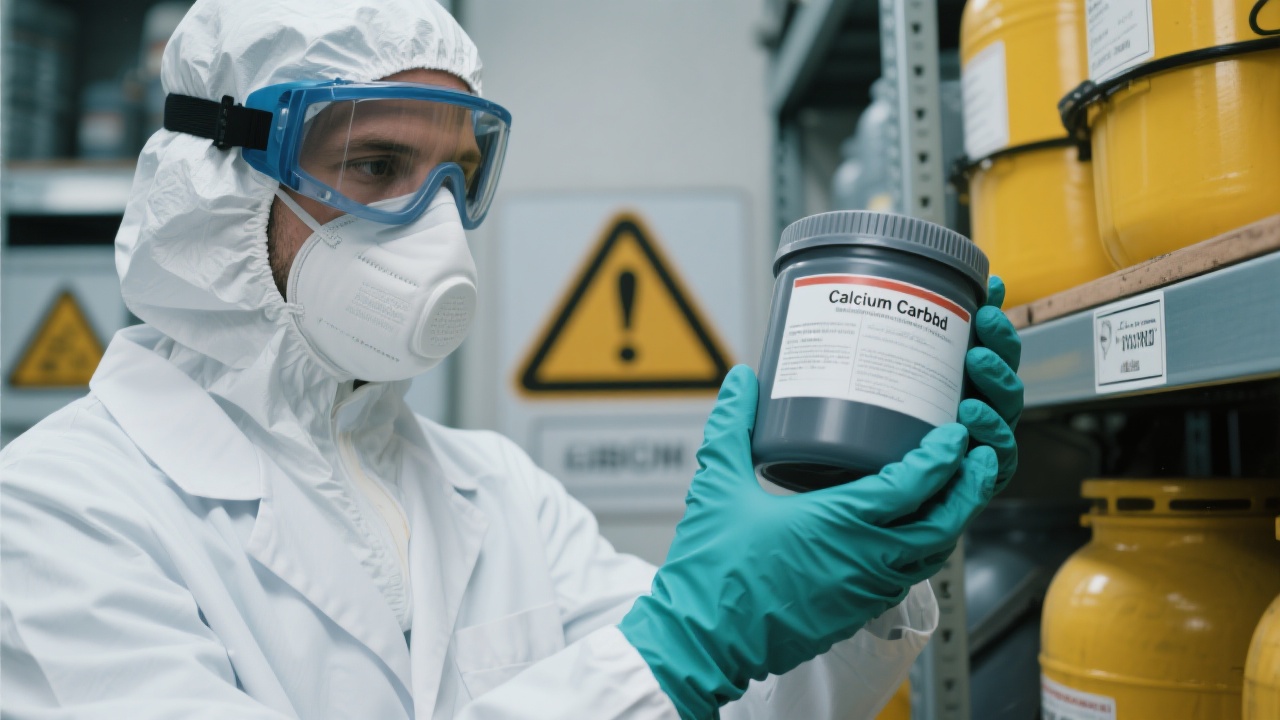
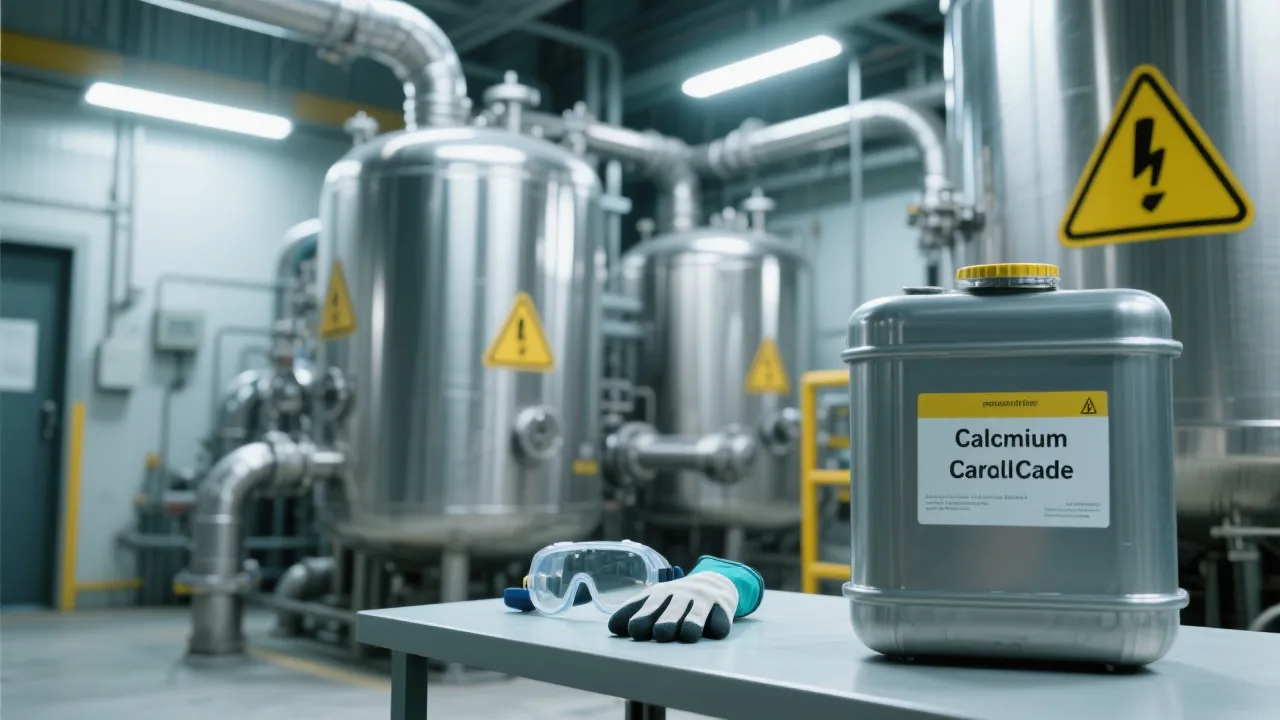
Industrial-grade carbide can contain trace levels of sulfides, nitrides, and—most critically for safety—calcium phosphide (Ca3P2). When Ca3P2 contacts moisture, it can generate phosphine (PH3), a highly toxic gas that may be pyrophoric when mixed with air and certain co-impurities.
Impurity reaction (risk driver): Ca3P2 + 6H2O → 2PH3 ↑ + 3Ca(OH)2
Why it matters: PH3 can ignite spontaneously under certain conditions and introduces toxicity risk beyond standard acetylene hazards.
A realistic incident pattern seen in labs & small workshops
A common scenario involves a small acetylene generator operating in a semi-enclosed space. Gas output becomes unstable (foaming/slurry blockage), an operator increases water feed, and a rapid burst of mixed gases reaches a flame source (torch, pilot burner, hot surface, or even static). If phosphine is present—even at low fractions—the probability of unexpected ignition increases. In addition, acetylene itself has a wide flammability range in air (about 2.5–82% by volume), and a very low ignition energy; this combination makes “minor” deviations in setup become serious quickly.
For decision-makers, the takeaway is simple: impurity control is not just about meeting a spec sheet; it directly influences the predictability of gas generation and the stability of the safety envelope. Consistent, documented quality (typical of high-purity carbide programs) reduces unknowns that operators cannot “fix” with technique alone.
3) Practical Lab Setup: Equipment Configuration That Prevents Runaway Events
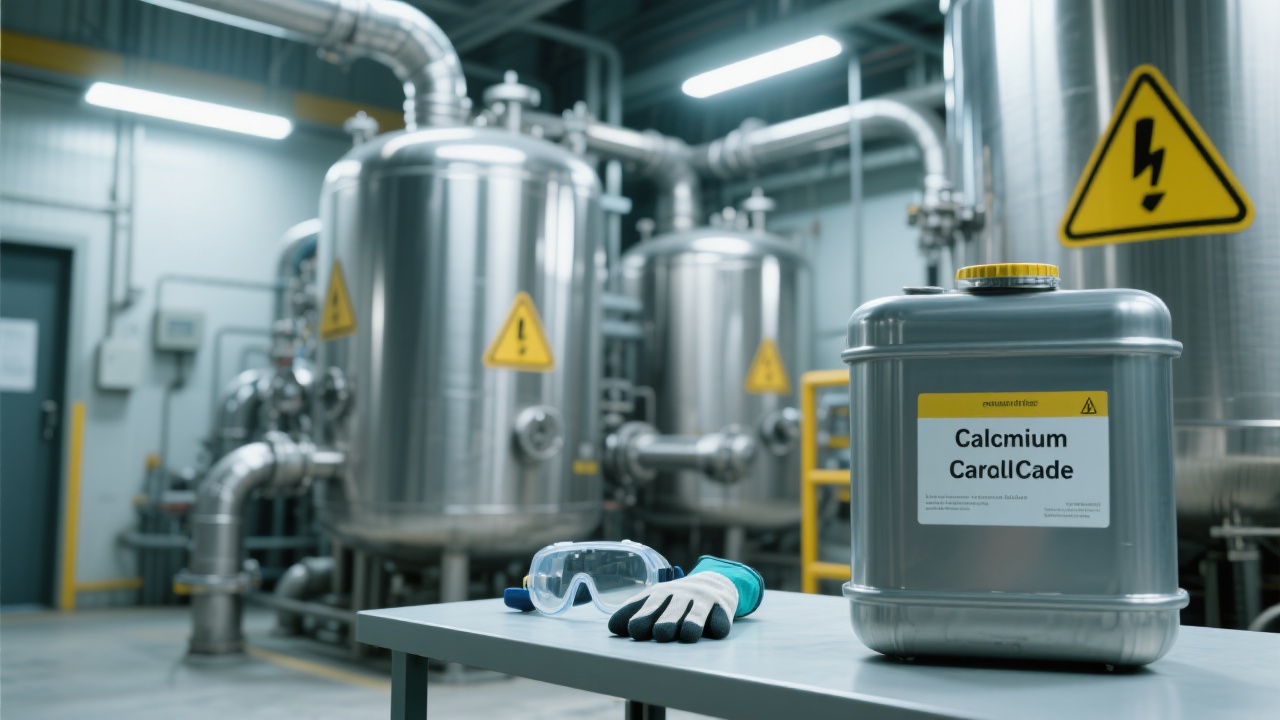
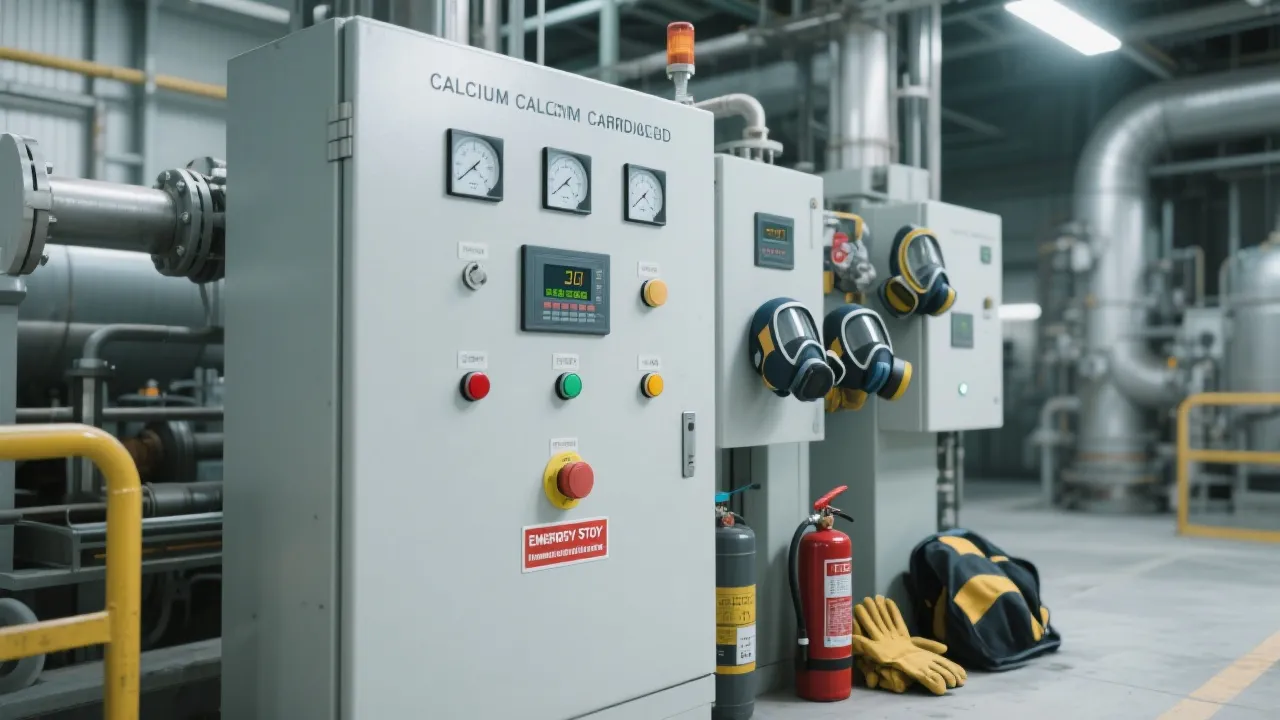
A safe acetylene generation system is less about complexity and more about layered controls. The following configuration elements are widely used because they address the real failure modes: pressure spikes, flashback, oxygen ingress, and slurry blockage.
Recommended components (minimum practical set)
- Generator vessel rated for the intended pressure (avoid improvising sealed glass setups); incorporate a reliable drain/clean-out for Ca(OH)2 slurry.
- Metered water feed (needle valve or controlled drip) to prevent sudden gas surges.
- Water seal / bubbler as a pressure buffer and visual flow indicator.
- Flashback arrestor + non-return valve to block flame propagation and reverse flow.
- Pressure relief path (relief valve or rupture disc) directed to a safe vent location.
- Local exhaust ventilation positioned to capture buoyant and mixed flows; keep ignition sources out of the capture zone.
Ventilation & monitoring: the part people underbuild
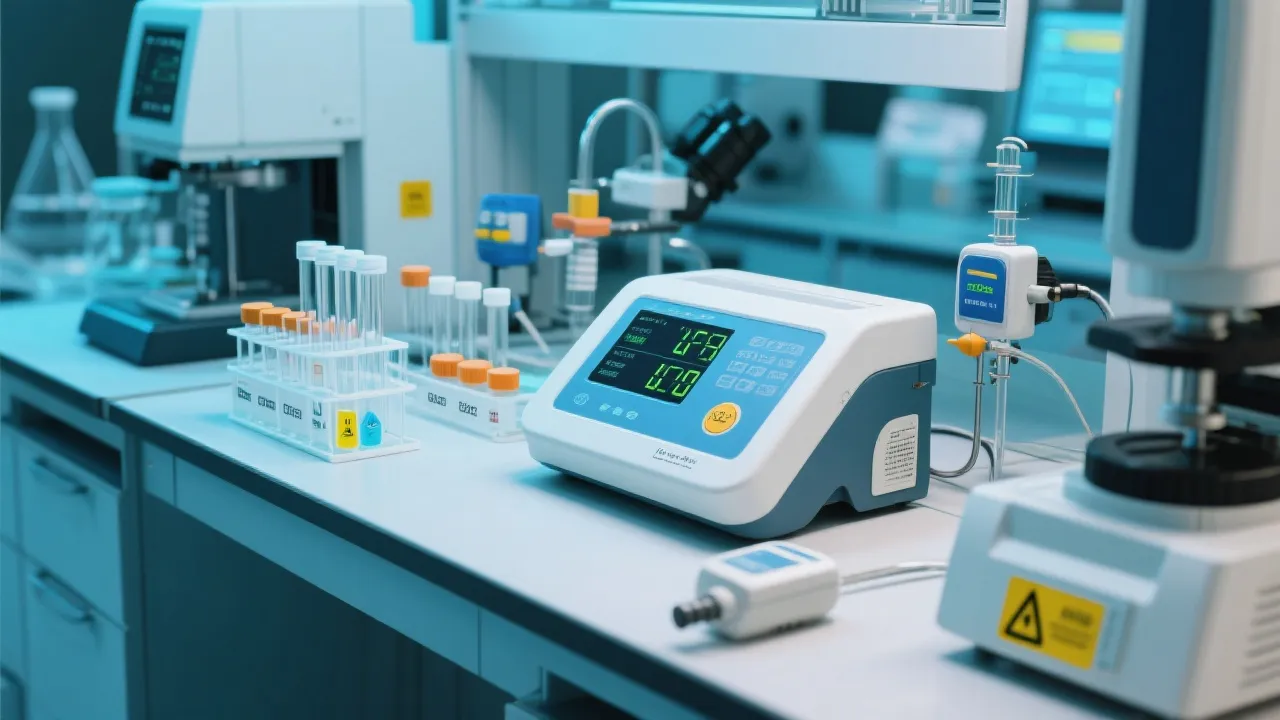
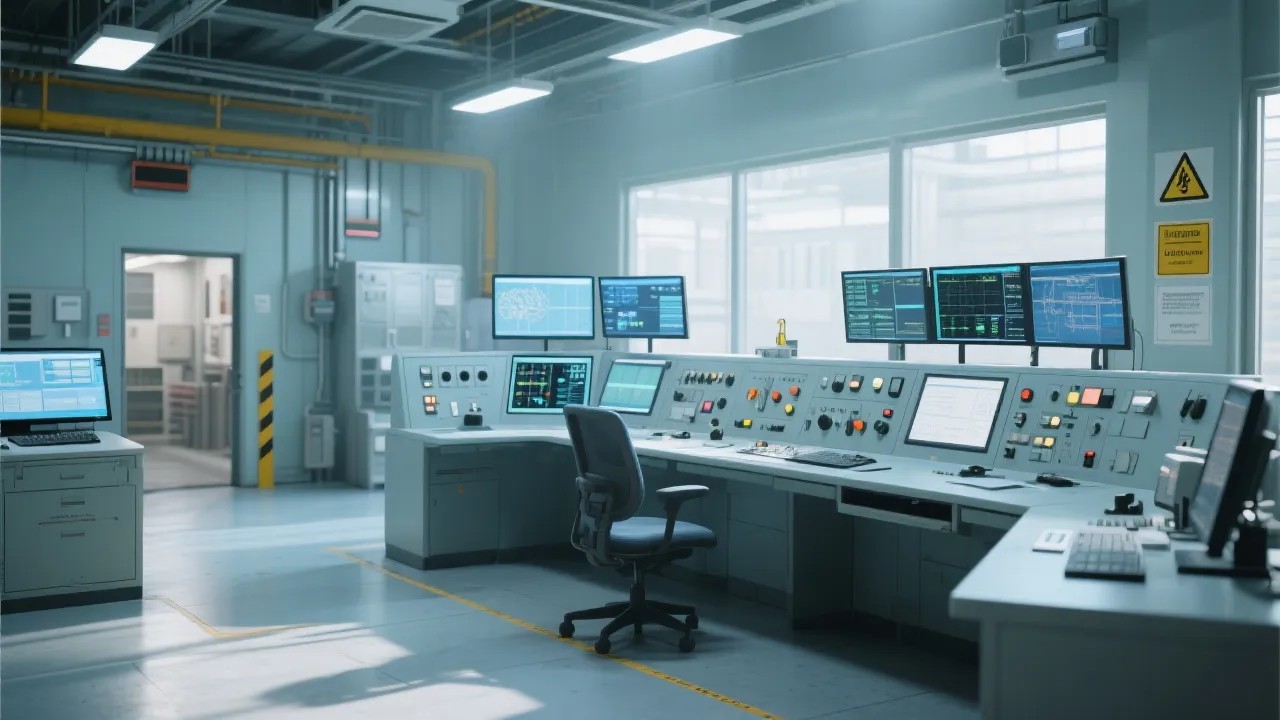
Because acetylene disperses quickly but ignites easily, the goal is not “strong smell detection” (not reliable) but controlled air exchange and early warning. Many facilities target 6–12 air changes per hour for rooms with gas-handling activities, and use combustible gas detection calibrated for acetylene where required by internal EHS rules. If your jurisdiction or insurance policy requires explosion-proof electricals, treat that requirement as non-negotiable.
Typical hazards and controls (quick decision table)
| Hazard |
What triggers it |
Control measures |
| Pressure spike |
Over-watering, fine carbide, clogged outlet |
Metered feed, clean-out access, relief device, bubbler |
| Flashback |
Flame near outlet, reverse flow |
Flashback arrestor, non-return valve, separation distance |
| Unexpected ignition |
Air ingress + ignition source; impurities like Ca3P2 |
Ventilation, leak checks, purity control, ignition control |
| Line blockage |
Ca(OH)2 slurry carryover |
Demister/wash bottle, proper orientation, routine cleaning |
| Toxic exposure |
PH3 from phosphide impurities |
High-purity sourcing, ventilation, monitoring, SOP & PPE |
4) Common Misconceptions That Lead to Accidents (and How Teams Correct Them)
Misconception A: “More water makes it safer.”
In practice, excessive water can create a rapid gas surge, elevate temperature, and push slurry into outlets. Safer operation uses controlled dosing plus a buffer (bubbler/water seal) to smooth flow and dampen transients.
Misconception B: “If it’s carbide, it’s all basically the same.”
The same nominal product (CaC2) can behave differently due to particle size distribution, moisture pickup during storage, and trace impurities. For consistent acetylene generation, buyers typically prioritize stable lot-to-lot performance, documented QC, and reliable packaging that reduces humidity exposure.
Misconception C: “Odor is a reliable warning.”
Odor perception varies and can be masked. A safer standard is documented leak checks, ventilation verification, and where required, instrumented detection. Treat gas-handling as an engineering problem, not a sensory one.
5) What Decision-Makers Ask Before Buying Carbide for Acetylene Generation
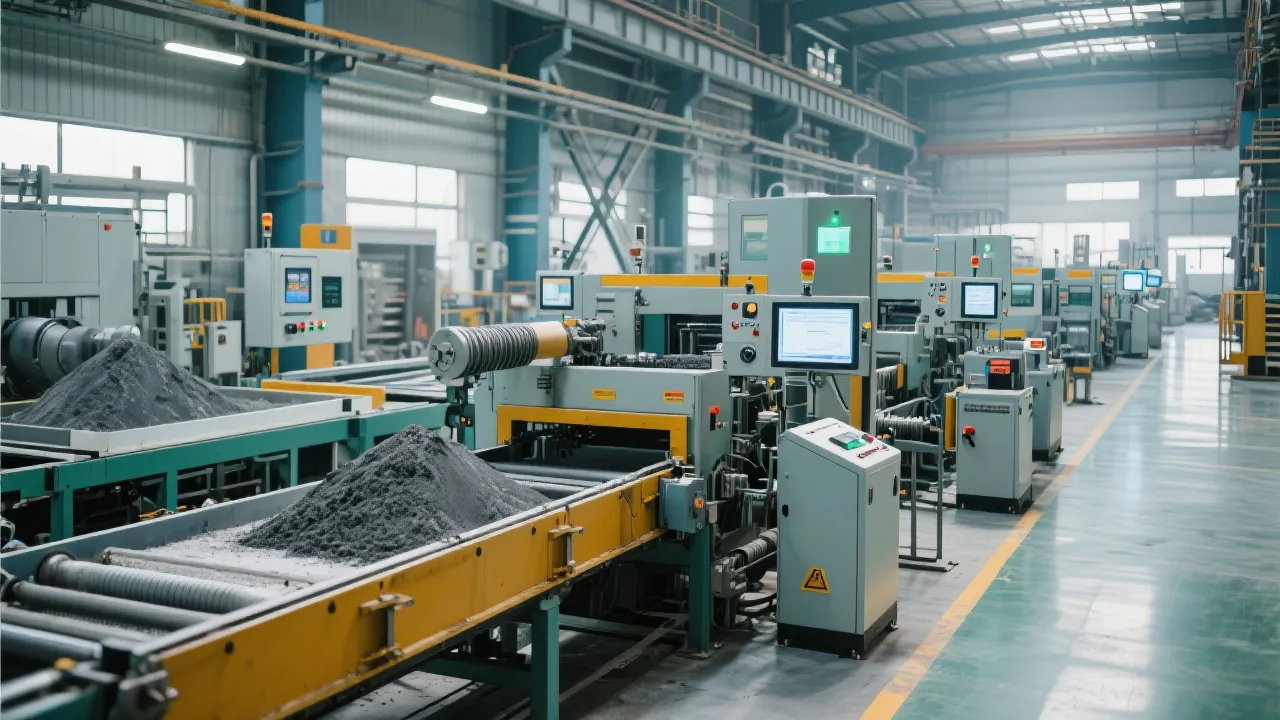
In procurement reviews, EHS teams and lab managers typically look beyond “purity” as a single number. They evaluate whether the supplier can reduce operational variance and provide documentation that stands up to audits. Common checkpoints include:
- Impurity risk control: tighter management of phosphide-forming contaminants to reduce PH3 formation potential.
- Consistent sizing & packaging: minimizes moisture pickup and improves predictable reaction rates.
- Traceability & COA: supports internal safety management and regulated workflows.
- Supply stability: avoids emergency substitutions that can quietly raise risk.
隆威化工 focuses on quality assurance and stable supply for calcium carbide applications where acetylene output must be controlled and safety margins must be defendable—especially in laboratory and technical environments where process deviations are costly.
Need predictable acetylene generation with lower impurity risk?
Request technical documentation, typical specifications, packaging options, and supply capability for high-purity calcium carbide used in acetylene production and laboratory generation setups.
Ask for 隆威化工 High-Purity Calcium Carbide (CaC2) Specifications & Supply Support
Typical response includes: COA availability, impurity control approach, recommended handling notes, and lead-time guidance.
In day-to-day reality, safe acetylene generation is the sum of good chemistry, good hardware, and the kind of material consistency that removes surprises before they happen.
.png?x-oss-process=image/resize,h_500,m_lfit/format,webp)









.png?x-oss-process=image/resize,h_600,m_lfit/format,webp)