.png?x-oss-process=image/resize,h_500,m_lfit/format,webp)
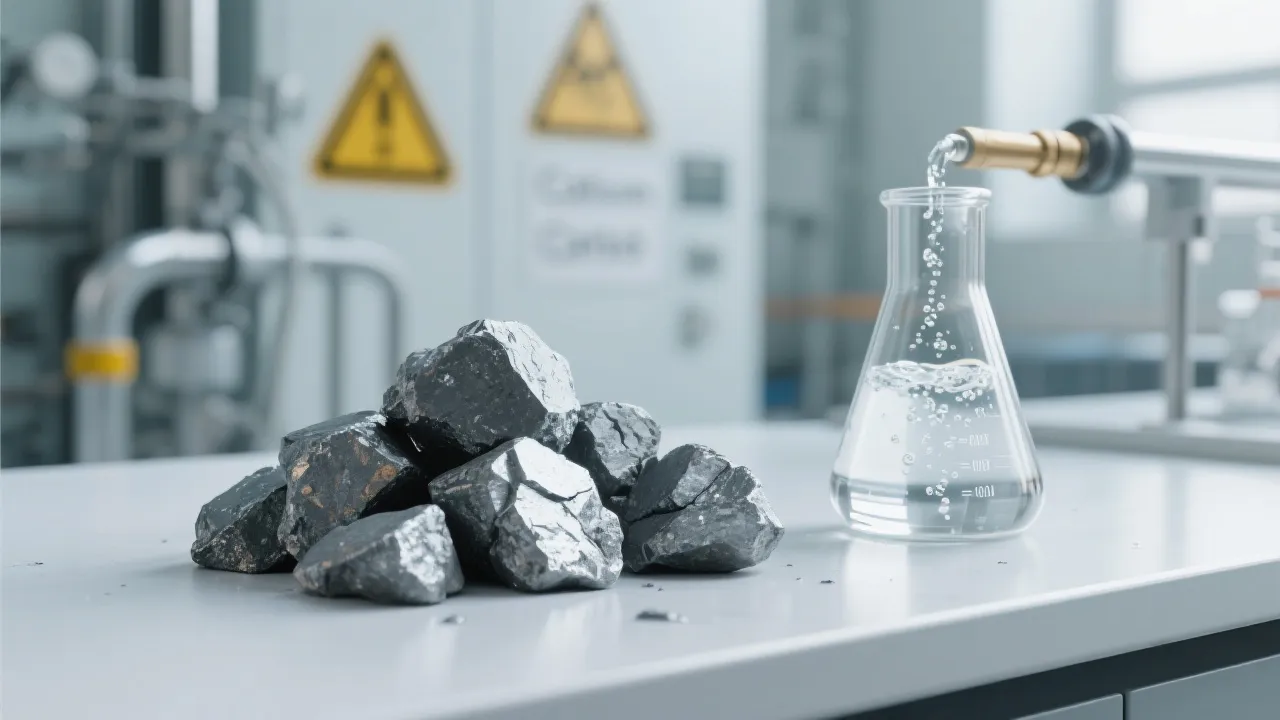
Acetylene (C₂H₂) remains a vital industrial gas with applications spanning metal fabrication, chemical synthesis, and welding. The production process from calcium carbide (CaC₂) has been refined over decades, yet many facilities still struggle to achieve optimal efficiency and safety standards. Understanding the underlying chemistry and process variables is crucial for operators seeking to maximize output while maintaining operational integrity.
The core reaction between calcium carbide and water follows the stoichiometric equation:
This exothermic reaction releases significant heat (127 kJ per mole of CaC₂), which can exceed 200°C if not properly controlled. Industrial processes typically achieve 85-92% conversion efficiency under optimal conditions, but this can drop to 70% or lower with poor process management.
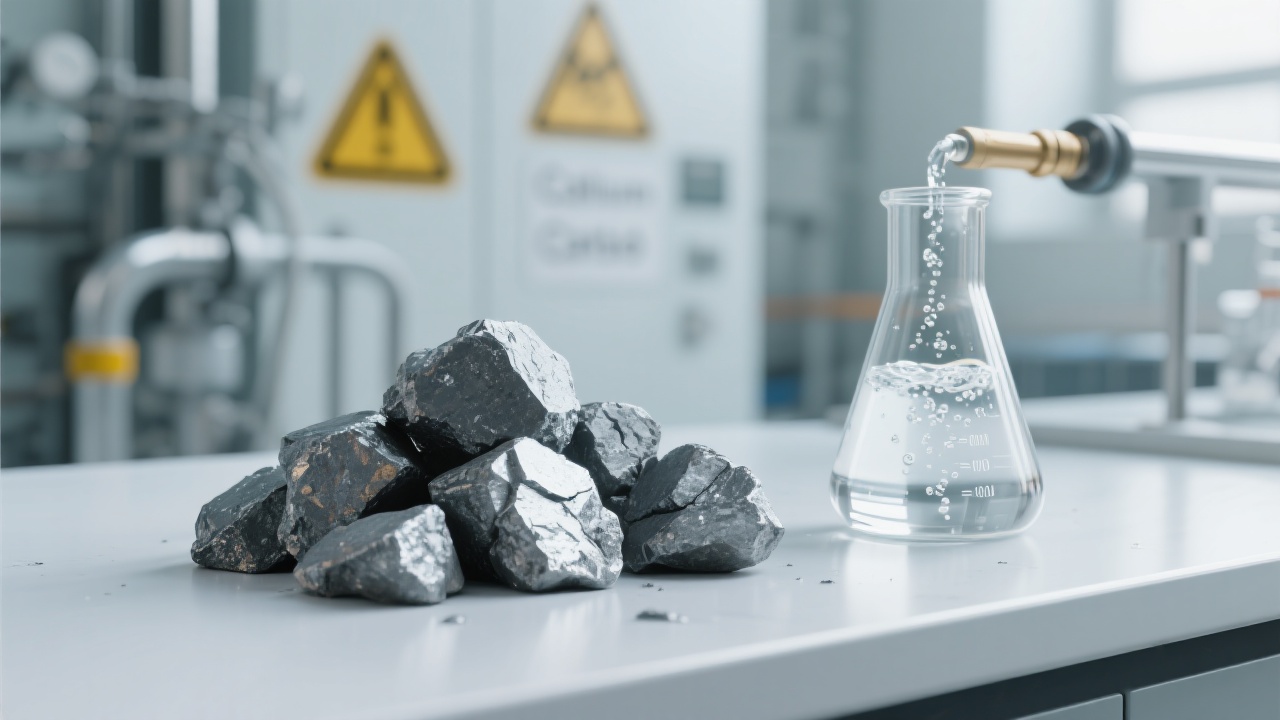
Reaction temperature significantly impacts both kinetics and product quality. While higher temperatures accelerate reaction rates, exceeding 90°C increases the formation of undesirable byproducts like phosphine (PH₃) and hydrogen sulfide (H₂S). Industry best practice maintains reactor temperatures between 60-80°C, balancing reaction speed with gas purity.
The stoichiometric water requirement is 0.56 kg per kg of calcium carbide, but practical operations use excess water (1.2-1.5 times stoichiometric) to ensure complete reaction and temperature control. Insufficient water leads to unreacted carbide and reduced yield, while excessive water increases energy costs for gas drying.
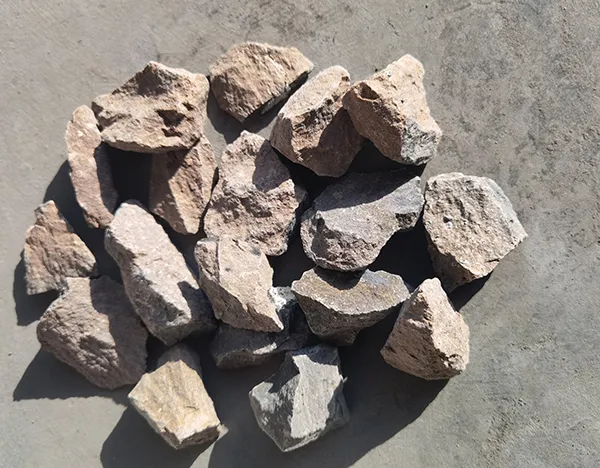
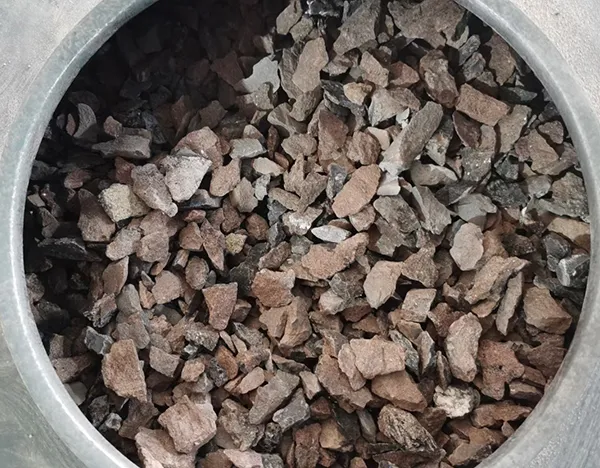
Optimal particle size ranges from 5-50 mm. Smaller particles (5-15 mm) react faster but may cause localized overheating, while larger particles (30-50 mm) ensure more controlled reaction but require longer residence time. Recent studies show that graded particle sizing can improve overall reactor efficiency by 8-12% compared to uniform sizing.
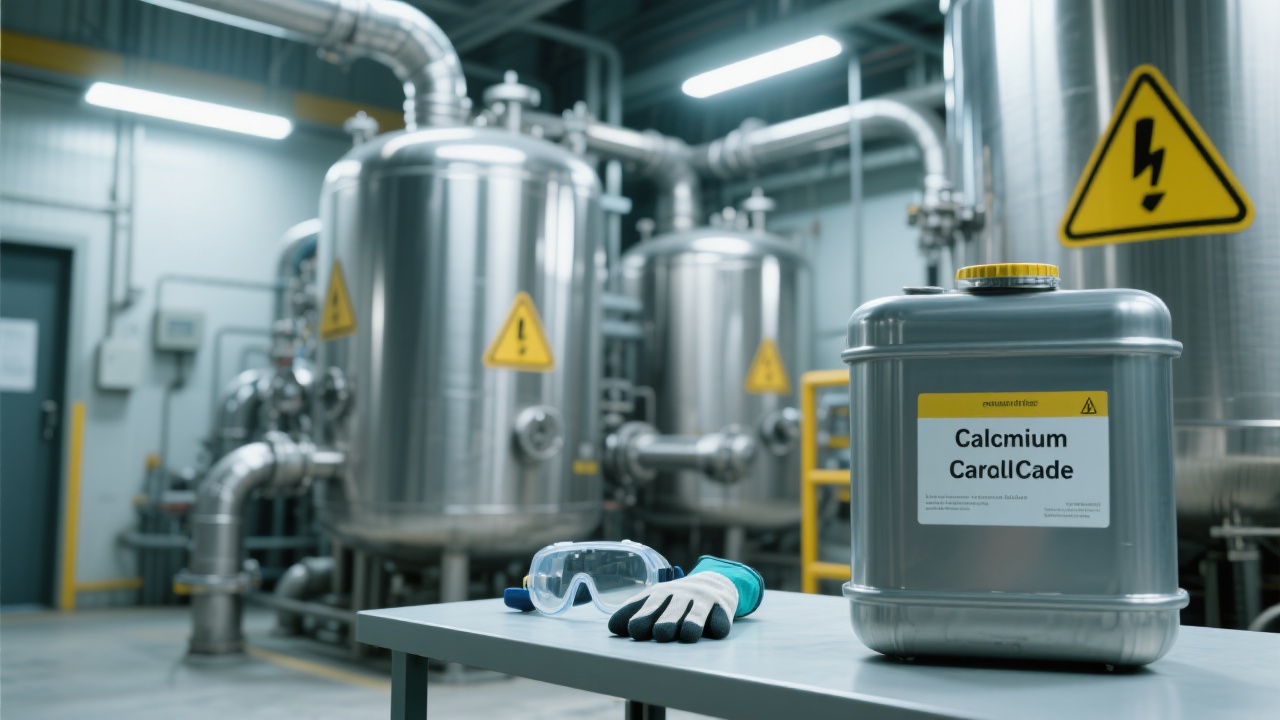
While the calcium carbide-water reaction proceeds without catalysts, certain additives can enhance performance. Research indicates that 0.05-0.1% concentration of ammonium salts can increase reaction rate by 15-20% by reducing the activation energy barrier. However, catalyst selection must consider downstream purification requirements, as some additives may introduce contaminants.
"Catalyst selection should prioritize not only reaction enhancement but also gas purity and downstream processing compatibility. Improper catalyst use can increase purification costs by up to 30%." — International Acetylene Producers Association, 2023 Process Optimization Guidelines
Industrial acetylene generators fall into two primary categories: wet and dry processes. Wet generators, utilizing submerged carbide, offer better temperature control but require larger water volumes. Dry generators, introducing controlled water spray, provide higher gas purity (99.5% vs. 98.0% in wet systems) but demand more precise process monitoring.
Acetylene's wide explosive range (2.5-80% in air) necessitates rigorous safety measures. Key protocols include:
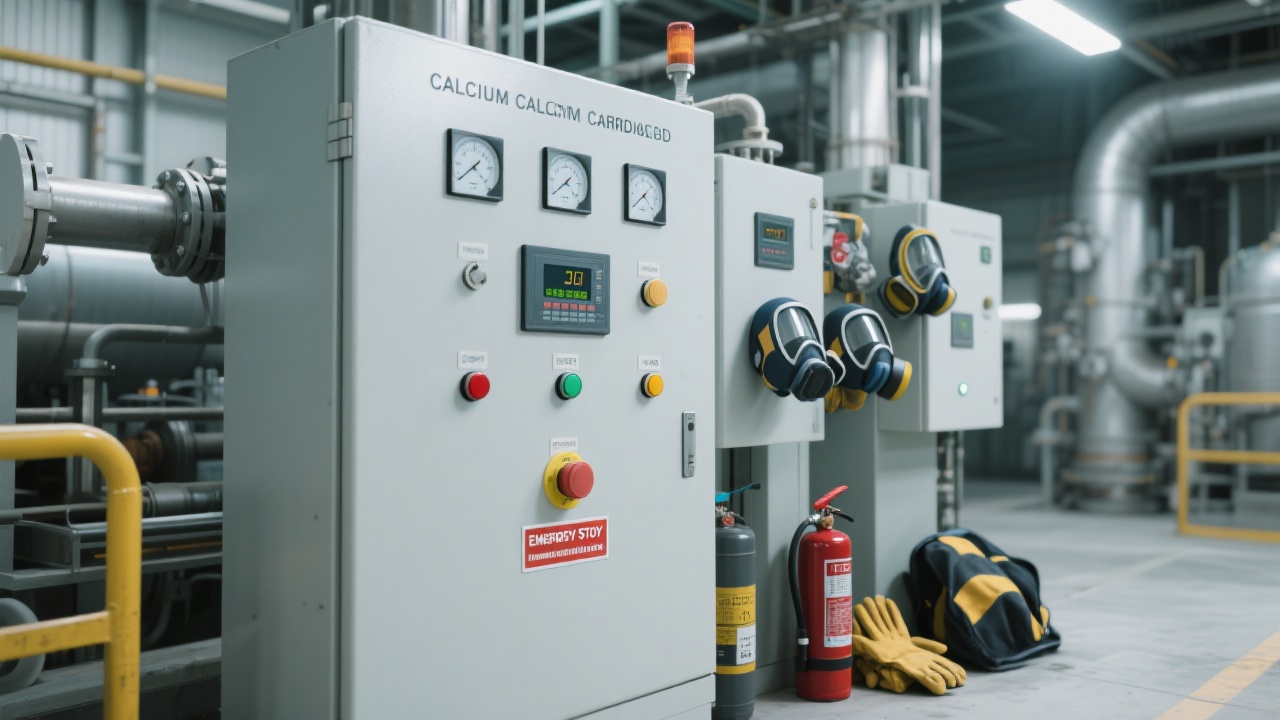
A mid-sized chemical plant in the Midwest implemented a comprehensive optimization program including:
Within three months, the facility achieved a 15% increase in acetylene production with 12% lower specific energy consumption and a 40% reduction in process variability.
Industry advancements focus on three key areas: automation, analytics, and sustainability. Real-time process analytics using machine learning algorithms can predict efficiency degradation with 92% accuracy, allowing proactive maintenance. Green process initiatives, including waste heat recovery systems, have demonstrated potential to reduce carbon footprint by 22-28% in pilot installations.
Our team of chemical engineers specializes in custom process solutions that deliver measurable efficiency improvements and safety enhancements.
Get Your Custom Process EvaluationWhat production challenges have you encountered with calcium carbide to acetylene processes? Have you implemented any innovative solutions that improved efficiency or safety? Share your experiences in the comments section below.
 303
|
303
|
 calcium carbide
high-purity chemicals
high-stability chemicals
international trade
synthetic rubber
resin synthesis
precious metal extraction
103
|
High-Performance Calcium Carbide
Industrial Acetylene Production
Calcium Carbide Quality Standards
Longwei Chemical Technology
International Chemical Market
37
|
Calcium carbide
Oxygen-acetylene welding
Safety operation guidelines
Chemical raw material
High-purity calcium carbide
180
|
Calcium carbide industrial applications
Safe use of calcium carbide
Raw materials for calcium carbide production
Raw materials for acetylene gas preparation
High-purity calcium carbide
209
|
Calcium Carbide
High Stability Chemicals
Industrial Raw Materials
calcium carbide
high-purity chemicals
high-stability chemicals
international trade
synthetic rubber
resin synthesis
precious metal extraction
103
|
High-Performance Calcium Carbide
Industrial Acetylene Production
Calcium Carbide Quality Standards
Longwei Chemical Technology
International Chemical Market
37
|
Calcium carbide
Oxygen-acetylene welding
Safety operation guidelines
Chemical raw material
High-purity calcium carbide
180
|
Calcium carbide industrial applications
Safe use of calcium carbide
Raw materials for calcium carbide production
Raw materials for acetylene gas preparation
High-purity calcium carbide
209
|
Calcium Carbide
High Stability Chemicals
Industrial Raw Materials






.png?x-oss-process=image/resize,h_600,m_lfit/format,webp)