.png?x-oss-process=image/resize,h_500,m_lfit/format,webp)

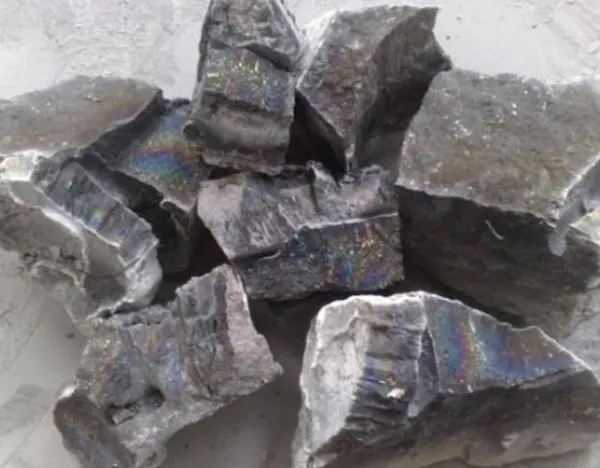
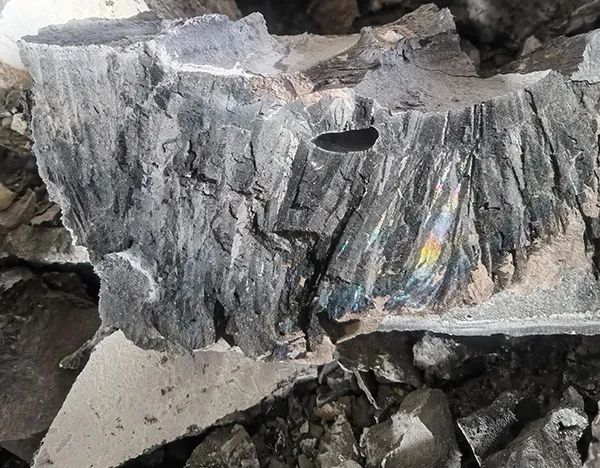
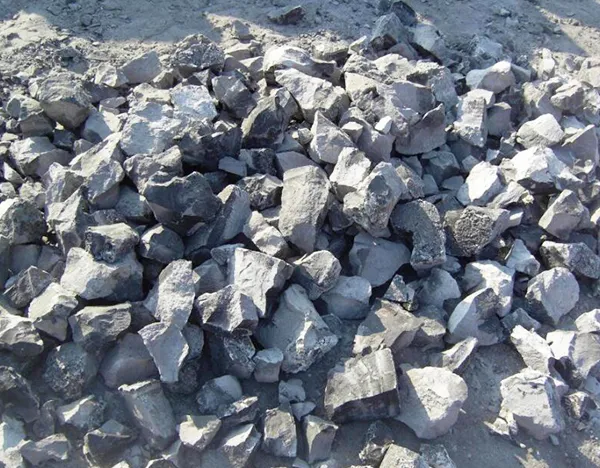
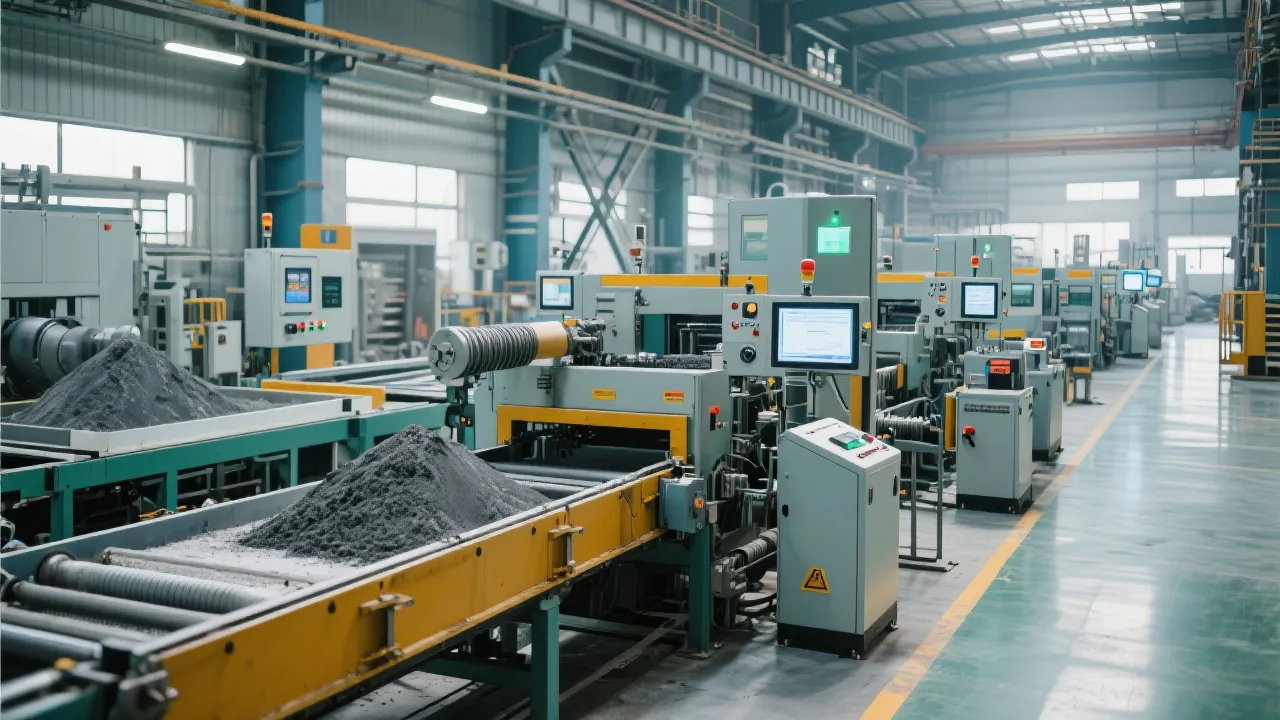
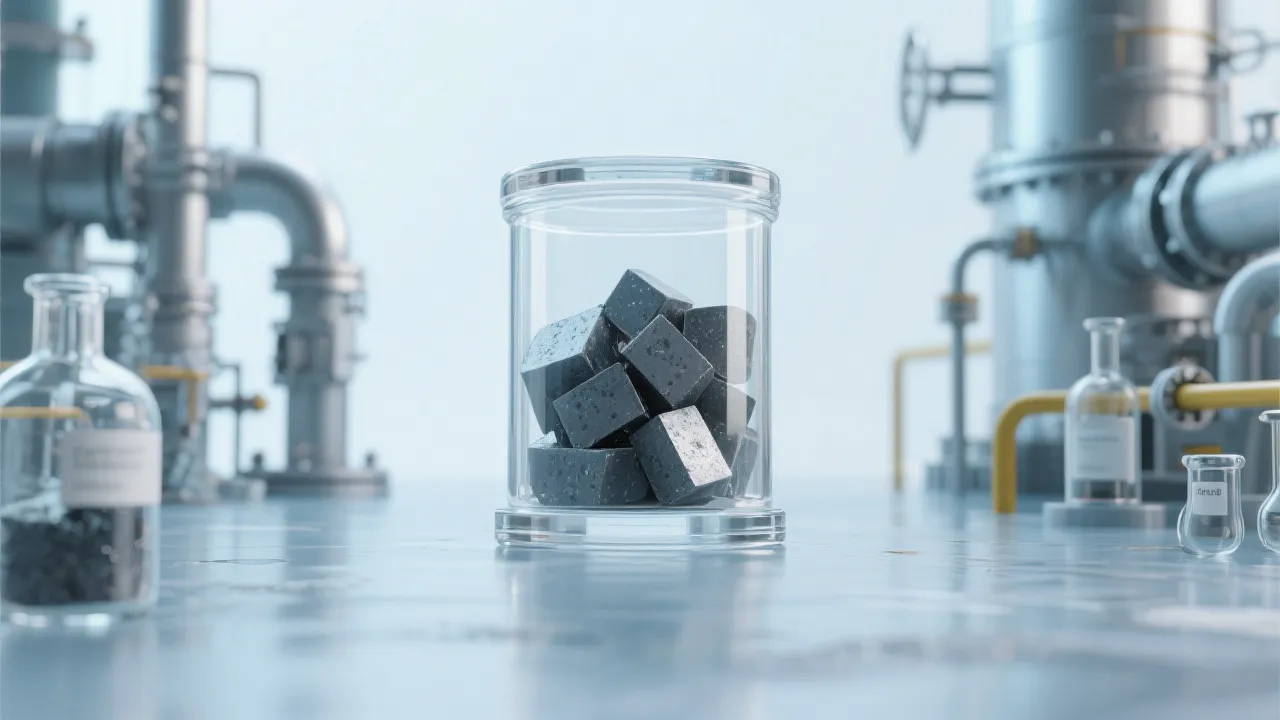
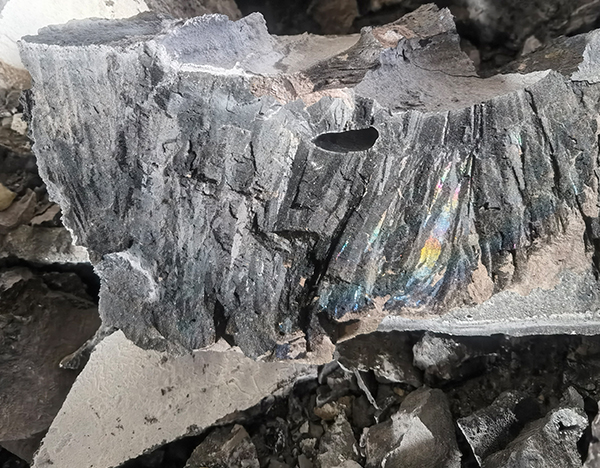
Calcium carbide (CaC2) remains a cornerstone reagent in industrial acetylene gas production due to its robust reaction mechanism and cost-effectiveness. Understanding the underlying chemical principles and mastering the precise control of reaction conditions are essential for chemical engineers aiming to optimize yield, ensure safety, and maximize operational efficiency in acetylene generation plants.
The production of acetylene gas from calcium carbide proceeds through a hydrolysis reaction:
CaC2 + 2H2O → C2H2 (acetylene gas) + Ca(OH)2 (calcium hydroxide)
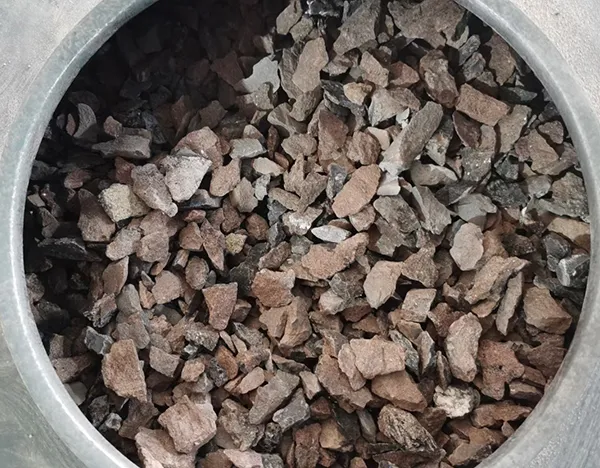
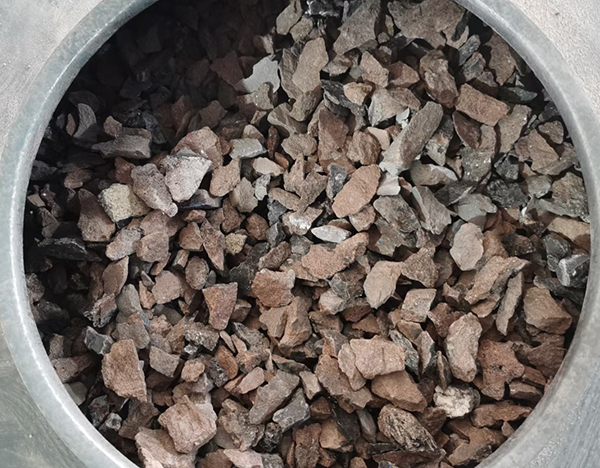
This exothermic reaction occurs at ambient to slightly elevated temperatures (20–40°C), releasing acetylene gas that must be immediately collected for industrial use. The purity and volume of acetylene generated critically depend on the hydration rate, particle size of calcium carbide, and water purity.
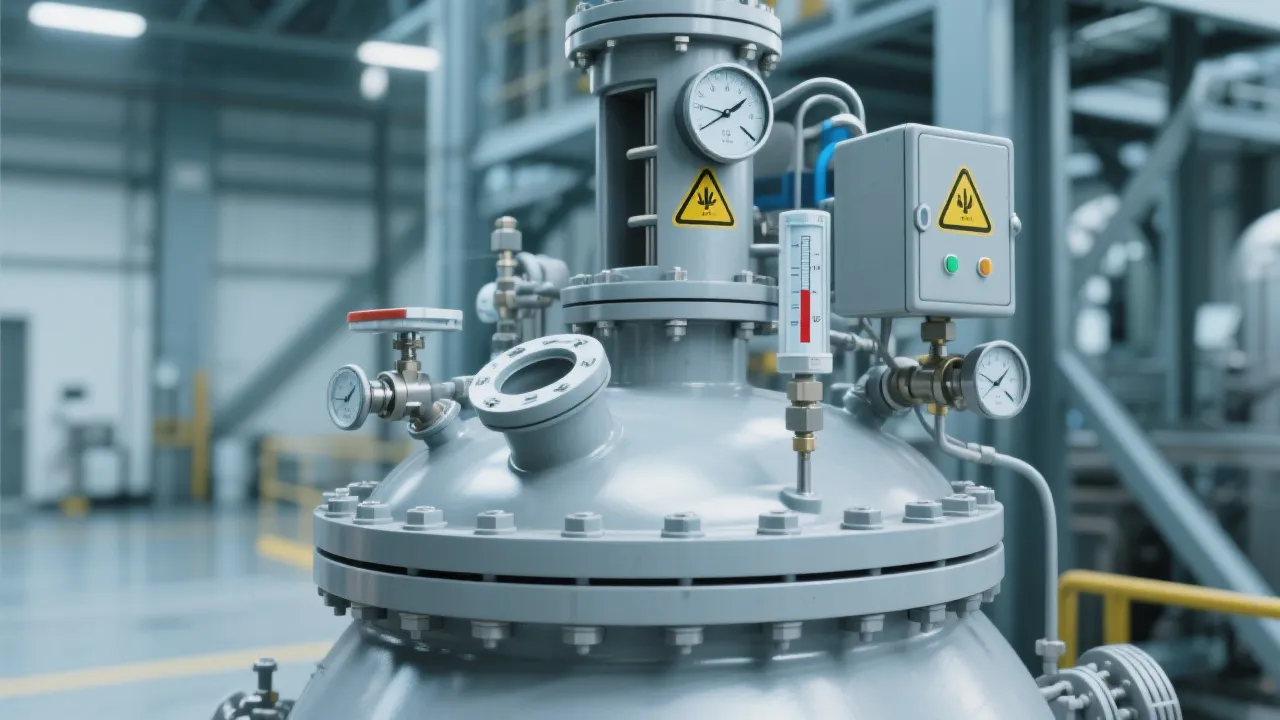
Proper equipment design and process control are paramount to prevent explosion hazards and toxic gas leaks inherent to acetylene generation:
A schematic operational flow includes pre-checks, controlled carbide feeding, water dosing, gas monitoring, and waste removal. Clear protocols reduce human error, supported by the latest digital process control systems:
One mid-sized acetylene production facility in Southeast Asia revamped its process by integrating real-time gas sensors and upgrading to corrosion-resistant reactors. Post-upgrade results showed a 12% improvement in acetylene purity (up to 99.7%) and zero safety incidents over 18 months of operation—demonstrating the tangible benefits of modern equipment and strict procedural controls.
Advanced process technologies include:
Ensuring safe and efficient acetylene production with calcium carbide requires attention to chemical purity, environmental parameters, and robust safety protocols. Industry leaders must continuously update process controls and adopt new technologies to meet escalating regulatory standards and market demand for high-purity acetylene.
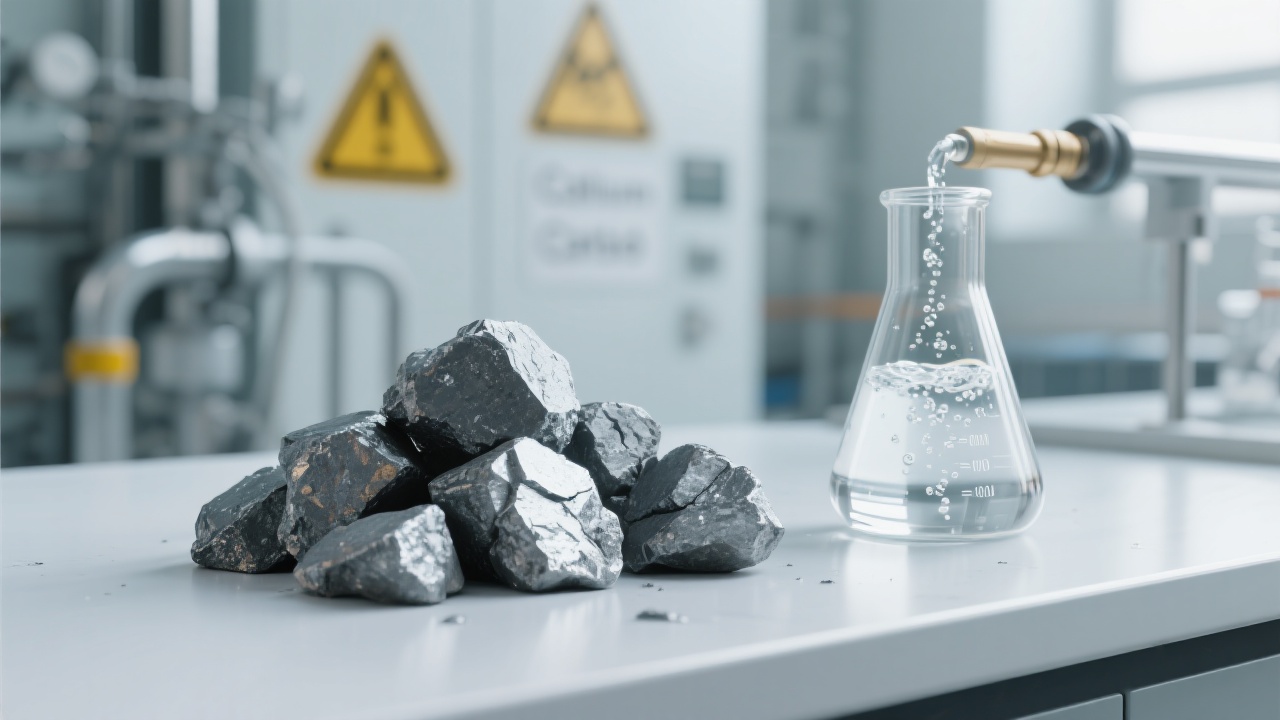
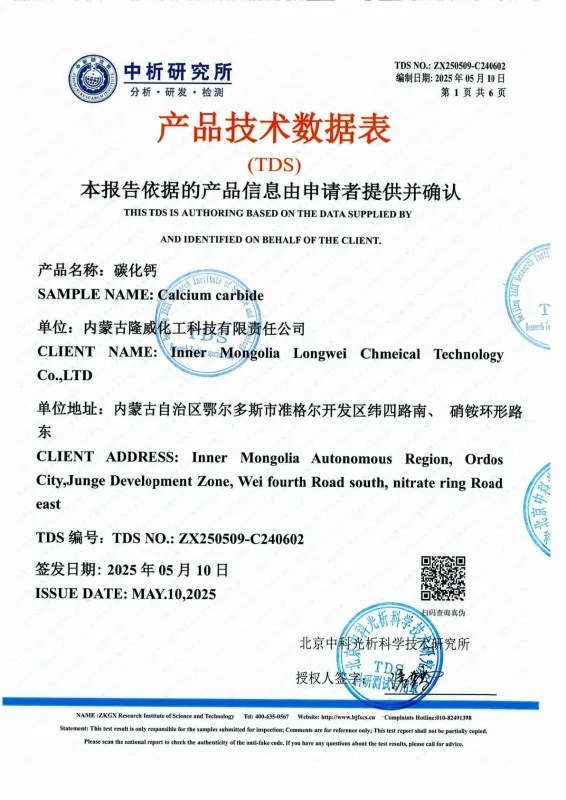
For chemical manufacturers seeking to optimize their acetylene generation lines, partnering with expert suppliers who provide high-quality calcium carbide and advanced reactor systems is invaluable. Customized solutions tailored to specific process parameters can significantly improve productivity and workplace safety.
 282
|
282
|
 calcium carbide storage guidelines
carbide warehouse humidity control
calcium carbide handling methods
safe storage of calcium carbide
export quality assurance for carbide
132
|
Calcium Carbide industrial uses
Acetylene gas production methods
Calcium carbide applications in agriculture
84
|
calcium carbide desulfurization
electric stone steelmaking
steel plant process optimization
desulfurization reaction mechanism
Xinjiang steel case study
84
|
High-performance calcium carbide
Calcium carbide production process
Acetylene gas generation
Industrial chemical supply
International calcium carbide market
141
|
high purity calcium carbide
calcium carbide supplier
calcium carbide export
calcium carbide quality control
industrial calcium carbide
calcium carbide storage guidelines
carbide warehouse humidity control
calcium carbide handling methods
safe storage of calcium carbide
export quality assurance for carbide
132
|
Calcium Carbide industrial uses
Acetylene gas production methods
Calcium carbide applications in agriculture
84
|
calcium carbide desulfurization
electric stone steelmaking
steel plant process optimization
desulfurization reaction mechanism
Xinjiang steel case study
84
|
High-performance calcium carbide
Calcium carbide production process
Acetylene gas generation
Industrial chemical supply
International calcium carbide market
141
|
high purity calcium carbide
calcium carbide supplier
calcium carbide export
calcium carbide quality control
industrial calcium carbide


.png?x-oss-process=image/resize,h_600,m_lfit/format,webp)