.png?x-oss-process=image/resize,h_500,m_lfit/format,webp)


Ventilation & placement
Ensure effective ventilation and avoid confined spaces. Keep generator areas clean and dry. Maintain clear access to shutoff valves and emergency routes.
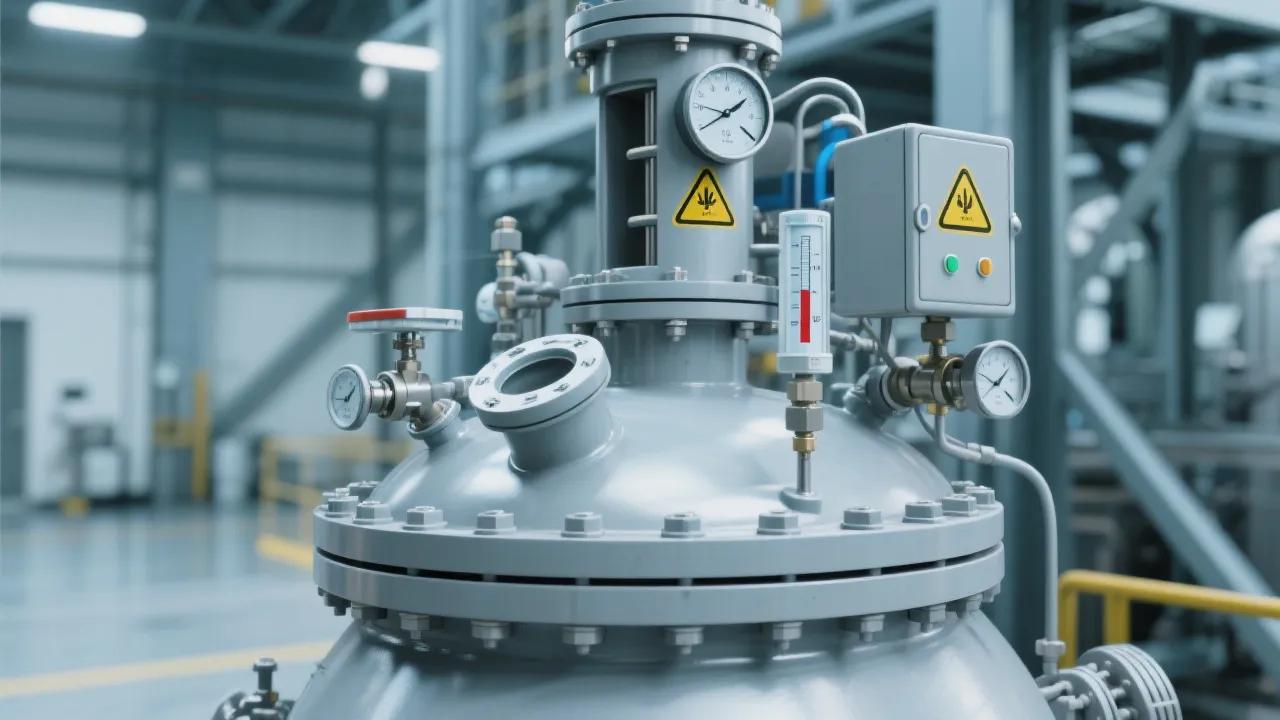
In many workshops, acetylene quality is treated like “something the generator just gives.” In reality, most flame instability, soot, flashback anxiety, and inconsistent cutting speed can be traced back to a handful of controllable variables in carbide-to-acetylene generation. This tutorial breaks the process into field-friendly checkpoints—reaction basics, parameter tuning, generator selection, impurity recognition, safety, maintenance, and compliant residue handling—so welding teams can reach more stable acetylene flow and a more predictable neutral flame.
Acetylene is generated when calcium carbide (CaC2) reacts with water:
CaC2 + 2H2O → C2H2 + Ca(OH)2 + heat
The reaction is exothermic. That heat is not “free”—it changes gas temperature, moisture carryover, and pressure behavior, which directly affect flame stability and backfire risk.
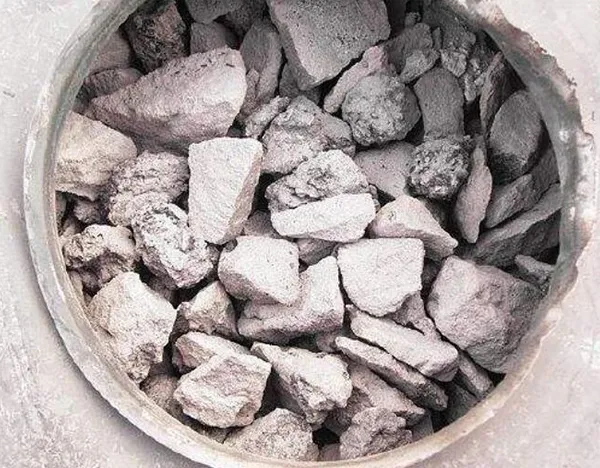
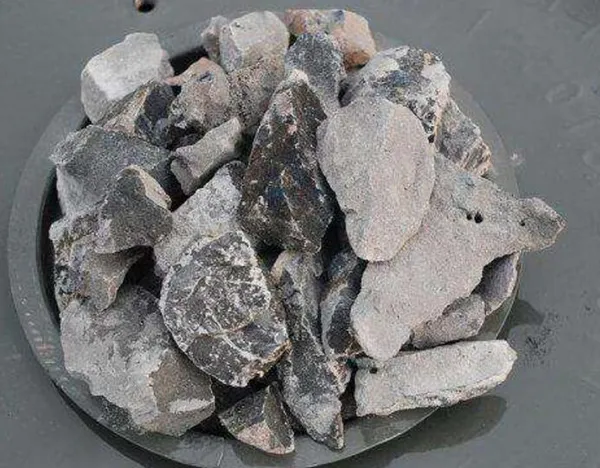
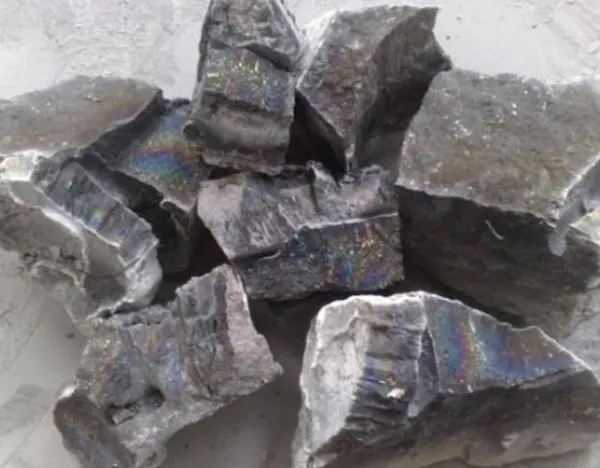
From a production standpoint, good carbide can generate roughly 0.28–0.30 m³ of acetylene per kg under practical operating conditions (purity and size distribution influence the real number). If a team sees notably lower yield, it usually indicates aged/poorly stored carbide, excessive fines, water management issues, or significant leak/vent losses.
Field note (from hands-on work): When the generator is “working” but the torch feels weak, the fix is rarely at the torch first. In many cases, stabilizing water temperature and reducing carbide fines immediately improves the flame’s neutrality and reduces soot.
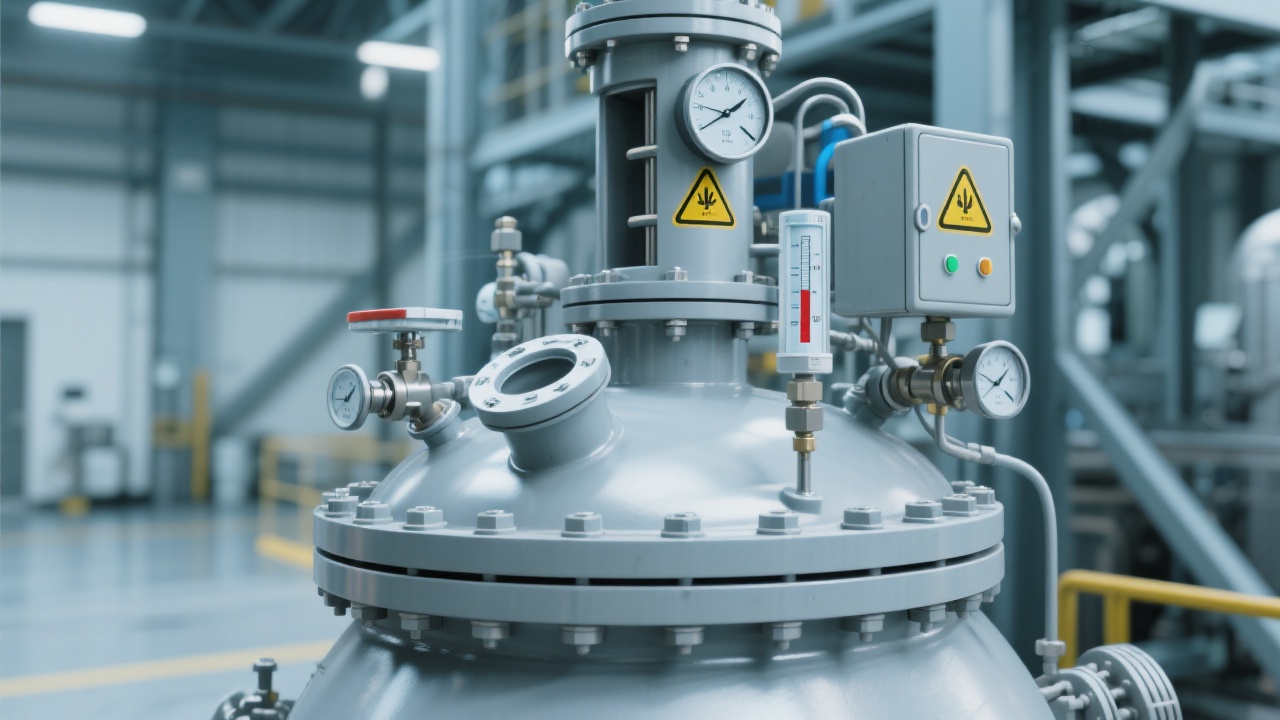
Most operational problems come from three variables that are easy to overlook in a busy shop: carbide particle size, water temperature, and water-to-carbide feed control. Adjusting them brings measurable improvements in gas steadiness.
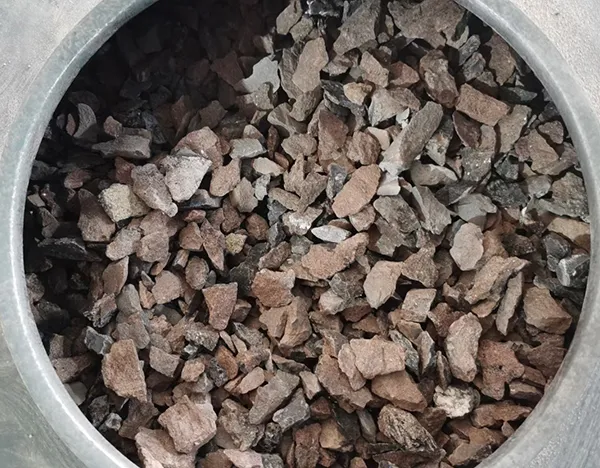
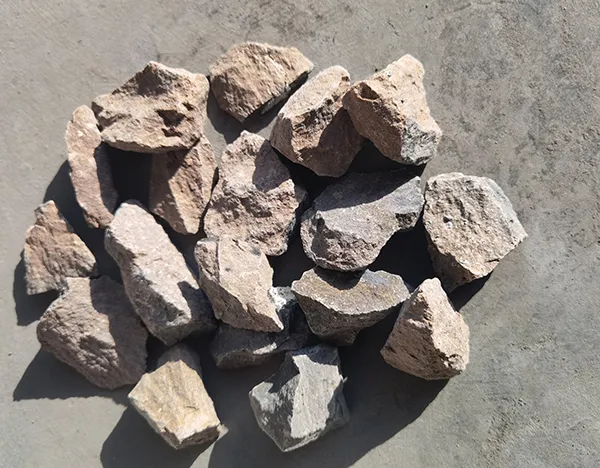
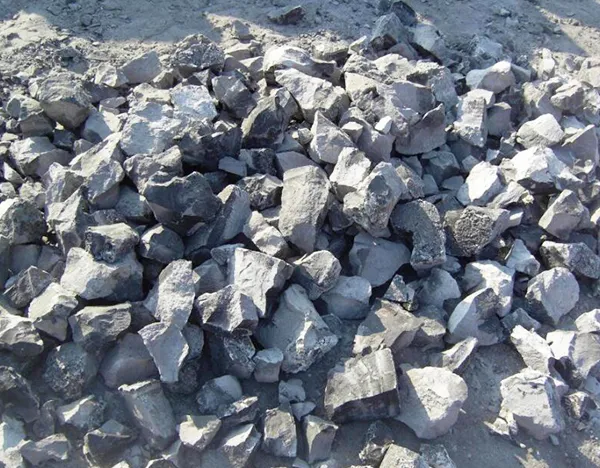
Very fine carbide reacts too fast, spikes temperature, and increases carryover of wet lime. Oversized lumps can cause uneven reaction and “surge” behavior. For many small-to-mid generator setups, a practical target is a medium granulation range (commonly used in industry: roughly 25–50 mm, depending on equipment design).
Quick tip box: If a bag has too many “chips and dust,” sieve it before loading. Excess fines often correlate with hotter reaction, wetter gas, and more frequent cleaning.
The ideal operating band depends on generator type, but many crews find that keeping reaction water around 15–25°C helps reduce steam/moisture entrainment and maintains smoother pressure. If water rises above 35°C, the reaction tends to accelerate and moisture problems increase (especially in compact systems).
Whether water is added to carbide or carbide is fed into water, the principle is the same: keep the reaction rate steady. Sudden loading or uncontrolled water addition can cause short-term pressure peaks and unstable gas delivery—exactly what welders interpret as “the flame fighting me.”
| Parameter | Common symptom when off-target | Practical adjustment | What improves at the torch |
|---|---|---|---|
| Too many fines | Hot reaction, wet gas, frequent clogging | Sieve; tighten handling; use consistent granulation | Steadier neutral flame; less soot |
| Water too warm | Surging pressure, moisture carryover | Improve cooling/refresh cycle; limit continuous overload | Reduced popping/backfire tendency |
| Unstable feed | Flame “hunting,” inconsistent cutting speed | Adopt step-feed; avoid batch dumping; watch pressure gauge trend | More consistent heat input |
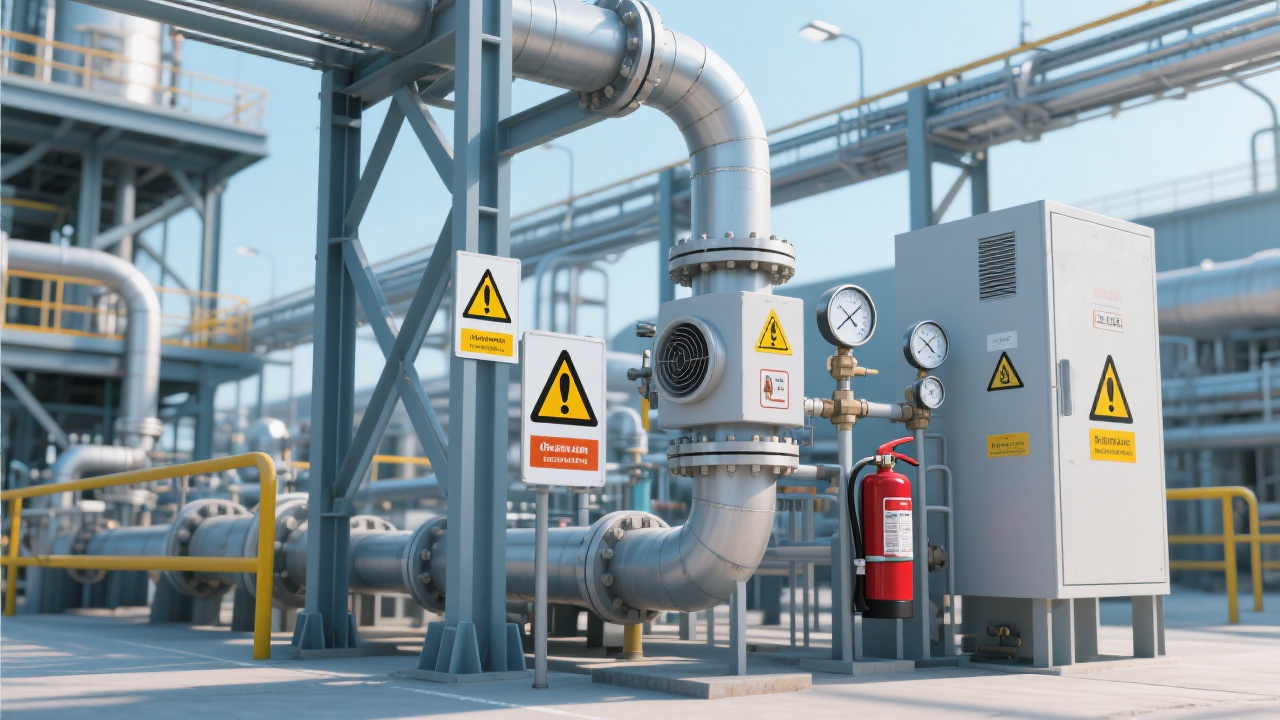
The “best” acetylene generator is the one that matches your duty cycle, crew discipline, and safety management. Below is a decision-oriented comparison that teams can use before procurement or retrofit.
| Item | Continuous generator | Intermittent generator |
|---|---|---|
| Best for | Long shifts, multiple torches, steadier demand | Job sites with short bursts, small crews, mobile work |
| Gas stability | Typically smoother if feed control is good | Can fluctuate between cycles if not managed carefully |
| Operational discipline | Requires routine monitoring of water temp/pressure | Requires careful batch loading & cooldown awareness |
| Maintenance pattern | More predictable, scheduled cleaning | Cleaning frequency depends heavily on operator habits |
| Common pitfall | Overdriving output without cooling management | Dumping carbide for “instant gas,” causing surges |
A practical rule: if a team runs two or more torches for long periods (fabrication bays, ship repair, heavy equipment rebuild), a continuous setup often pays back in reduced downtime and more stable flame tuning. For small contractors who move frequently, intermittent systems remain popular—but only when training and checklists are taken seriously.
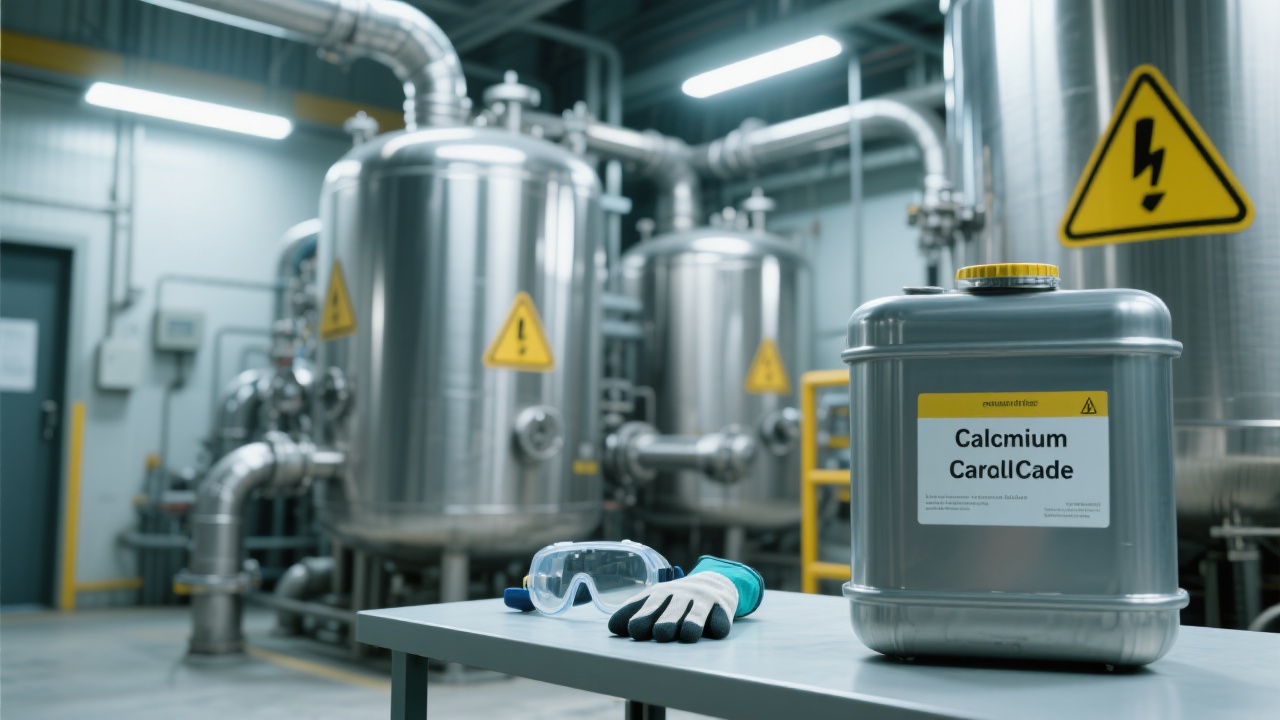
For oxy-acetylene work, the goal is not “lab-grade perfection,” but a gas stream that delivers consistent combustion and avoids contamination that can cause odor complaints, corrosion, soot, or safety concerns. Typical impurities in carbide-generated acetylene may include phosphine (PH3), hydrogen sulfide (H2S), moisture, and entrained lime mist.
In many industrial setups, adding a suitable purification stage and maintaining it on schedule results in a noticeable improvement in weld appearance and less operator re-tuning. Teams often report reduced “blackening” and better repeatability on cutting thickness transitions after they address moisture and lime carryover.
Acetylene is a high-energy fuel gas; safe generation is about system discipline. The best workshops turn safety steps into standard work—a repeatable checklist—rather than relying on memory.
Ensure effective ventilation and avoid confined spaces. Keep generator areas clean and dry. Maintain clear access to shutoff valves and emergency routes.
Use properly rated flashback arrestors/check valves and verify they are installed in correct orientation. Replace suspect units—performance degrades with contamination and abuse.
Avoid operating practices that create sudden pressure spikes. Monitor gauge trends; a slowly rising baseline often signals clogging, overfeeding, or insufficient cooling rather than “normal variation.”
Emergency handling (keep it simple): If abnormal odor, overheating, or unstable pressure occurs, stop feed, isolate gas output, ventilate, and follow site emergency procedure. Teams should rehearse the sequence quarterly—training beats panic.
A generator can be “working” and still be slowly building problems. The maintenance goal is to prevent three common causes of lost welding hours: lime sludge blockage, moisture carryover, and leaky joints.
In practice, teams that keep cleaning intervals consistent often report fewer “mystery” flame issues. The hidden benefit is psychological: welders trust the gas supply more, which reduces over-adjustment at the torch and improves overall throughput.
The byproduct is primarily calcium hydroxide slurry with entrained solids. Disposing of it carelessly can create dust, alkalinity impacts, and site non-compliance. A compliant approach usually includes containment, dewatering, and approved disposal or reuse routes based on local regulation.
Which problem shows up most often in your acetylene generation: wet gas, pressure surging, odor/impurity concerns, or excessive sludge cleanup? If you share your generator type and typical torch demand (one torch vs. multiple), others can reply with what worked on similar sites.
隆威化工 can provide practical reference materials on carbide selection, storage, and generation optimization so your team can reduce flame instability and maintenance surprises.
Explore calcium carbide guidance for acetylene generationSuggested message to send: generator type + daily consumption + current issue (moisture/surge/odor/sludge).
 414
|
414
|
 Calcium carbide storage
High - purity calcium acetylide
Inner Mongolia Longwei Chemical
Calcium carbide safety measures
Calcium carbide storage conditions
366
|
calcium carbide
high stability chemical
industrial calcium carbide
248
|
["calcium carbide storage"
"high purity calcium carbide"
"safe storage guidelines"
"calcium carbide handling"
"industrial chemical storage"]
422
|
solid calcium carbide storage
calcium carbide moisture control
industrial chemical storage standards
calcium carbide safety storage
carbide leakage emergency response
98
|
calcium carbide
calcium carbide desulfurizer
steel manufacturing calcium carbide
industrial raw material supply
acetylene gas production
Calcium carbide storage
High - purity calcium acetylide
Inner Mongolia Longwei Chemical
Calcium carbide safety measures
Calcium carbide storage conditions
366
|
calcium carbide
high stability chemical
industrial calcium carbide
248
|
["calcium carbide storage"
"high purity calcium carbide"
"safe storage guidelines"
"calcium carbide handling"
"industrial chemical storage"]
422
|
solid calcium carbide storage
calcium carbide moisture control
industrial chemical storage standards
calcium carbide safety storage
carbide leakage emergency response
98
|
calcium carbide
calcium carbide desulfurizer
steel manufacturing calcium carbide
industrial raw material supply
acetylene gas production







.png?x-oss-process=image/resize,h_600,m_lfit/format,webp)