.png?x-oss-process=image/resize,h_500,m_lfit/format,webp)

Acetylene (C2H2) remains a vital industrial gas widely utilized for welding, organic synthesis, and chemical manufacturing. One of the predominant industrial methods to generate acetylene gas is the hydrolysis of calcium carbide (CaC2). Understanding the chemical reaction mechanism, optimizing reaction conditions, and strictly enforcing safety protocols are essential for safe and efficient production. This article provides an in-depth exploration of the fundamental reaction processes, equipment considerations, and safety measures, along with emergent technologies improving yield and purity.
The hydrolysis of calcium carbide follows the reaction:
CaC2 + 2H2O → C2H2 + Ca(OH)2
This exothermic reaction releases acetylene gas alongside calcium hydroxide as a byproduct. The reaction rate depends strongly on water purity, temperature, and the physical form of calcium carbide. Ideal conditions typically involve controlled temperature ranges of 25–35°C to prevent excessive gas evolution, which could lead to hazardous pressure spikes.
Catalytic interventions work chiefly by influencing the surface reactivity of CaC2. Modifiers such as trace metal ions enhance gas purity by suppressing unwanted side reactions that generate phosphine (PH3) and arsine (AsH3), both toxic impurities. Modern industry standards incorporate catalysts that raise acetylene purity >99.5%, vital for downstream applications.
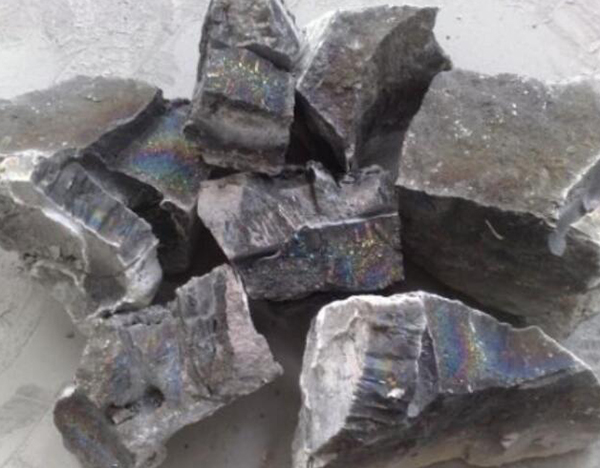
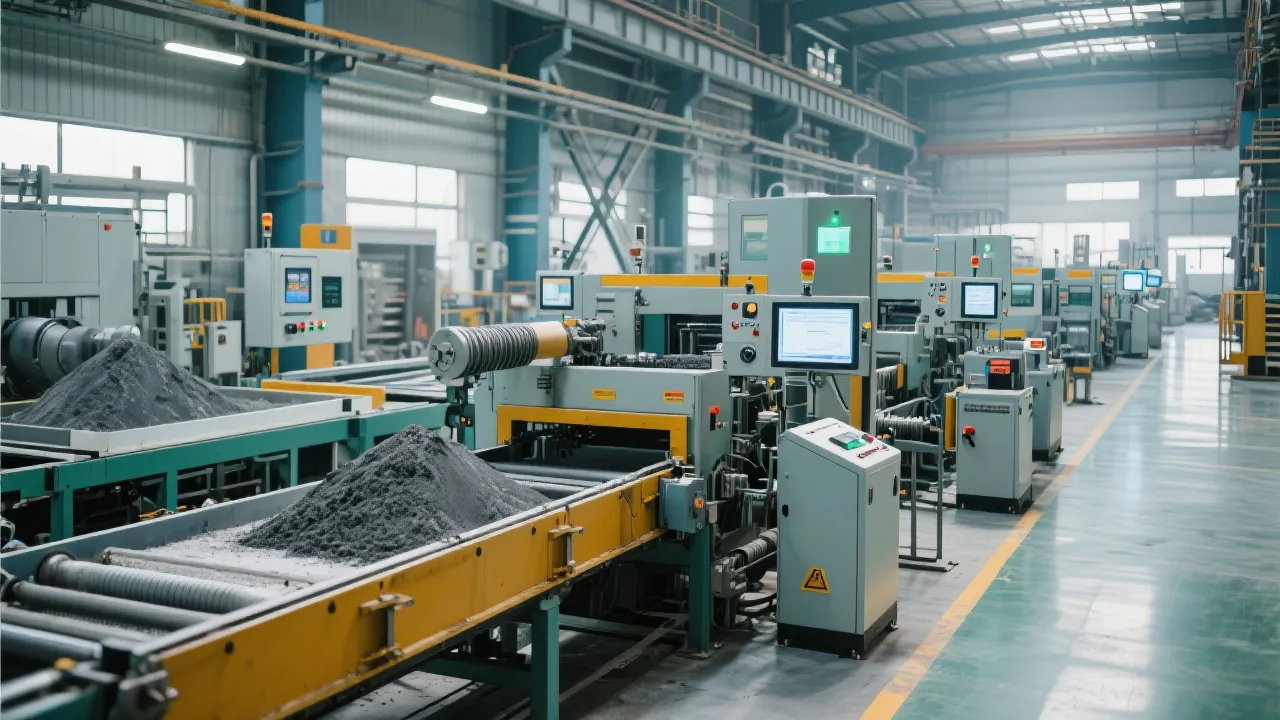
Selecting appropriate reactors is crucial to ensure controlled gas generation and minimize risks. Common equipment includes batch hydrolysis tanks and continuous flow reactors. Key requirements encompass corrosion resistance (e.g., stainless steel NS-316L), pressure relief systems, and automated feed control for water and calcium carbide.
Performance indicators for the reaction vessel should target:
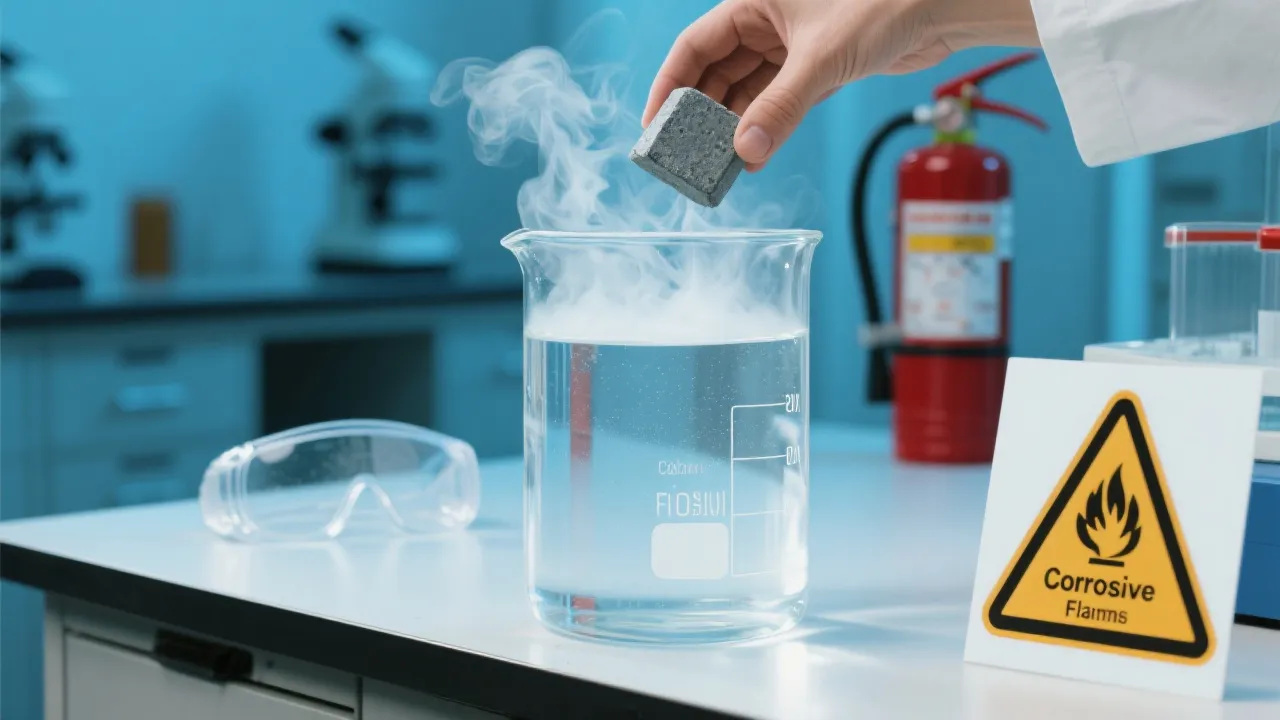
The risk profile of acetylene generation is defined by its flammability and potential for explosion when improperly ventilated or operated. Industry best practices emphasize:
Case studies from prominent chemical plants reveal that over 90% of accidents are preventable through adherence to these protocols and strong risk culture.
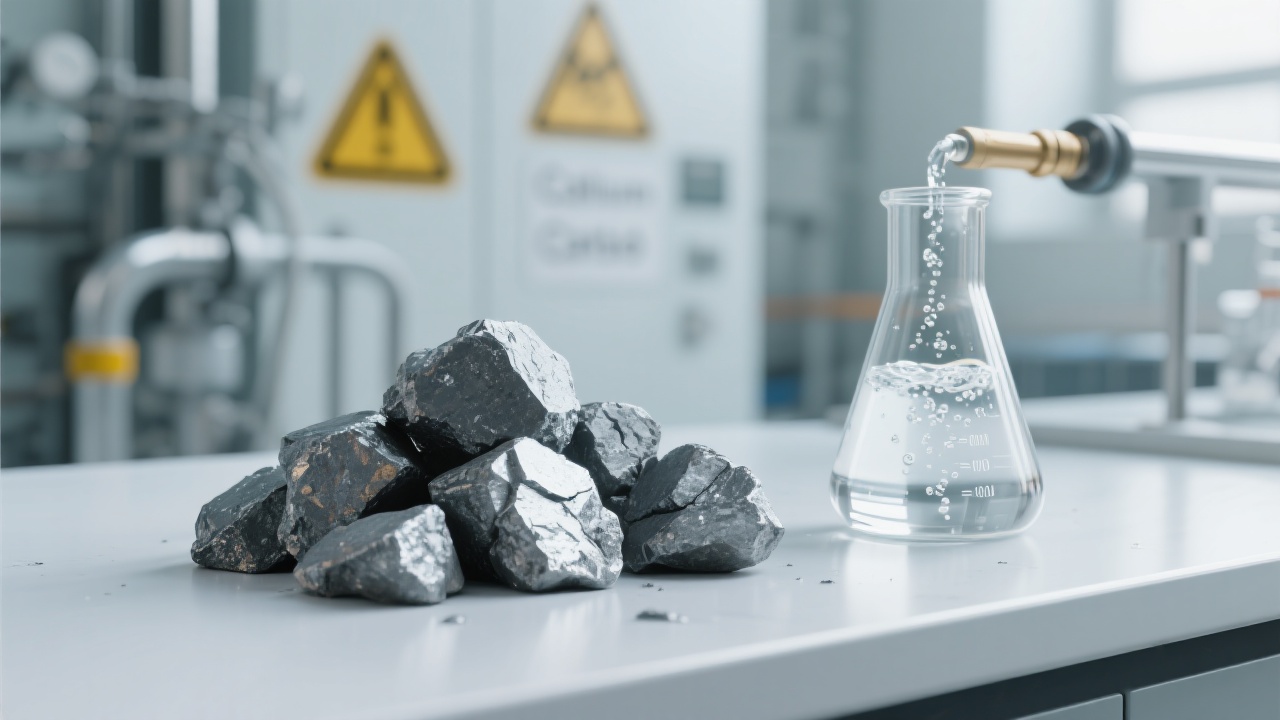
Recent technological advancements have introduced modified hydrolysis catalysts and reactor designs that:
These improvements promote leaner operations and reduce waste generation in line with sustainable chemical production goals.
Q: What is the recommended maximum temperature for safe calcium carbide hydrolysis?
A: Maintaining 25–35°C prevents rapid gas release and reduces explosion risks.
Q: How can impurities like phosphine be minimized during acetylene production?
A: Using trace metal ion catalysts and high-purity feedstocks help suppress toxic side products.
Q: What are the crucial safety features for hydrolysis reactors?
A: Pressure relief valves, gas-tight seals, and continuous monitoring systems are essential.
Feel free to reach out for tailored guidance on improving your acetylene production process.
 107
|
107
|
 calcium carbide applications
acetylene production raw material
high melting point materials
conductive materials
industrial chemical processing
303
|
calcium carbide
high-purity chemicals
high-stability chemicals
international trade
synthetic rubber
resin synthesis
precious metal extraction
456
|
Calcium Carbide
high-stability chemicals
industrial raw materials
166
|
calcium carbide for welding
high-purity calcium carbide
calcium carbide manufacturing process
metallurgy calcium carbide applications
calcium carbide quality control
50
|
calcium carbide
high-stability chemical
industrial applications
calcium carbide applications
acetylene production raw material
high melting point materials
conductive materials
industrial chemical processing
303
|
calcium carbide
high-purity chemicals
high-stability chemicals
international trade
synthetic rubber
resin synthesis
precious metal extraction
456
|
Calcium Carbide
high-stability chemicals
industrial raw materials
166
|
calcium carbide for welding
high-purity calcium carbide
calcium carbide manufacturing process
metallurgy calcium carbide applications
calcium carbide quality control
50
|
calcium carbide
high-stability chemical
industrial applications


.png?x-oss-process=image/resize,h_600,m_lfit/format,webp)