.png?x-oss-process=image/resize,h_500,m_lfit/format,webp)
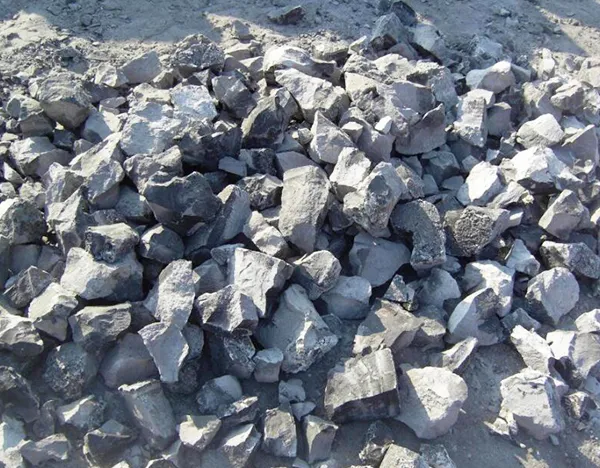
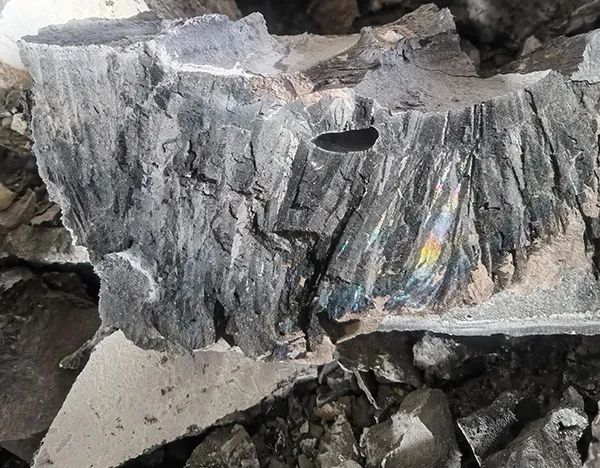
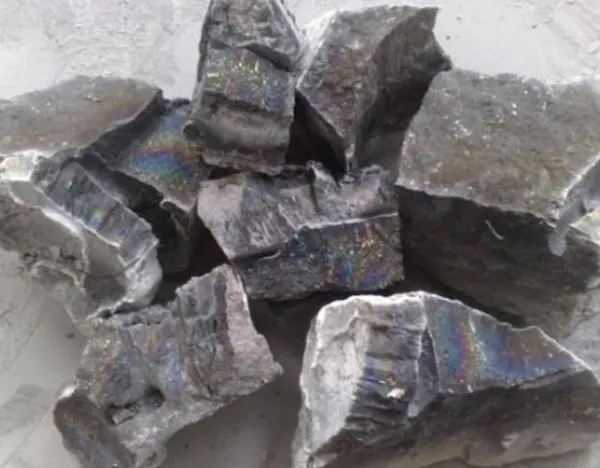
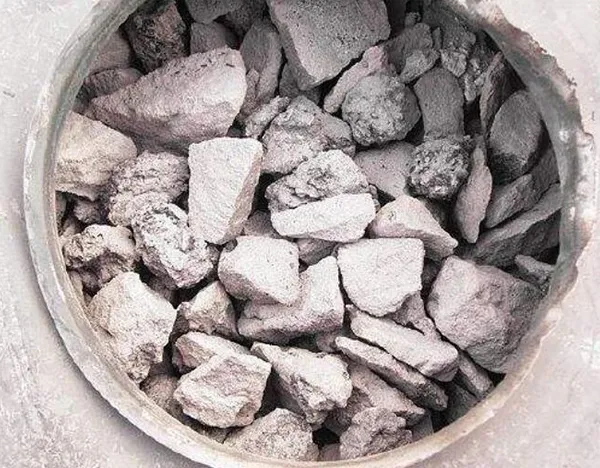
In the steelmaking industry, desulfurization is a crucial process to enhance the quality of steel products. Calcium carbide, commonly known as carbide, has emerged as an effective desulfurizing agent. This article comprehensively analyzes the chemical reaction mechanisms and process parameter optimization of calcium carbide in steel desulfurization.
The desulfurization principle of calcium carbide in molten steel is based on a chemical reaction. When calcium carbide is added to molten steel, it reacts with sulfur in the molten steel at high temperatures to form calcium sulfide (CaS) and carbon monoxide (CO) gas. The chemical equation for this reaction is: CaC₂ + S = CaS + 2C. The generated CaS is insoluble in molten steel and can be removed through slagging, thereby achieving the purpose of desulfurization.
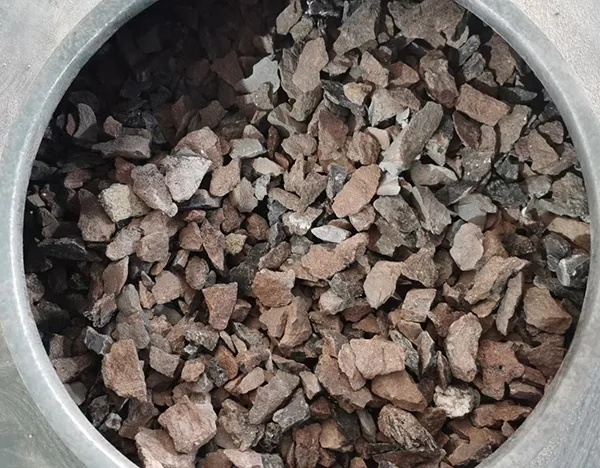
Several key process parameters significantly influence the desulfurization effect of calcium carbide, including temperature control, particle size distribution, and addition timing.
**Temperature Control**: The desulfurization reaction of calcium carbide is an endothermic process, and temperature has a significant impact on reaction rate and desulfurization efficiency. Generally, within a suitable temperature range (such as 1500 - 1600°C), increasing the temperature can effectively promote the desulfurization reaction. However, excessive temperatures may lead to increased energy consumption and accelerated evaporation of calcium carbide. Therefore, precise temperature control is crucial to balance desulfurization efficiency and cost.
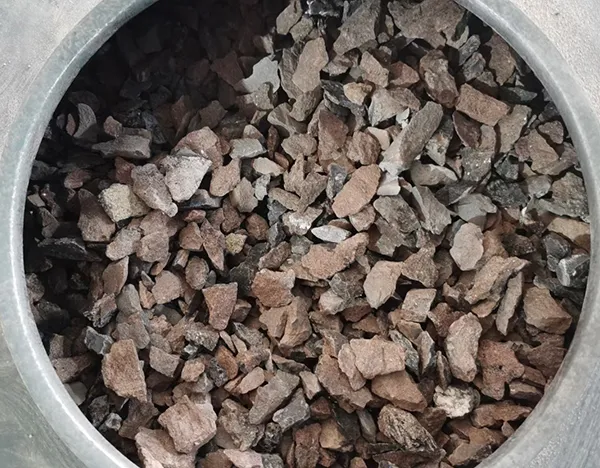
**Particle Size Distribution**: The particle size of calcium carbide affects its contact area with molten steel and reaction rate. Smaller particle sizes provide a larger specific surface area, facilitating more rapid reactions with sulfur in molten steel. However, overly fine particles may cause issues such as dust generation and uneven distribution in molten steel. Therefore, selecting an appropriate particle size range (such as 1 - 5 mm) is essential to ensure efficient desulfurization.
**Addition Timing**: The timing of adding calcium carbide to molten steel also affects desulfurization efficiency. Adding calcium carbide too early may result in premature reactions and reduced desulfurization effectiveness, while adding it too late may not allow sufficient time for the reaction to occur. Optimal addition timing should be based on factors such as the sulfur content of molten steel, temperature, and the progress of the steelmaking process.
To illustrate the practical application of calcium carbide desulfurization, let's take a look at a case study of a steel mill in Xinjiang. By optimizing process parameters such as temperature, particle size, and addition timing, the steel mill was able to achieve significant improvements in desulfurization efficiency and cost control.
Before optimization, the sulfur content in the steel produced by the mill was approximately 0.03%. After implementing parameter optimization measures, the sulfur content was reduced to below 0.01%, meeting high - quality steel production standards. Meanwhile, the consumption of calcium carbide was reduced by about 15%, effectively lowering production costs.
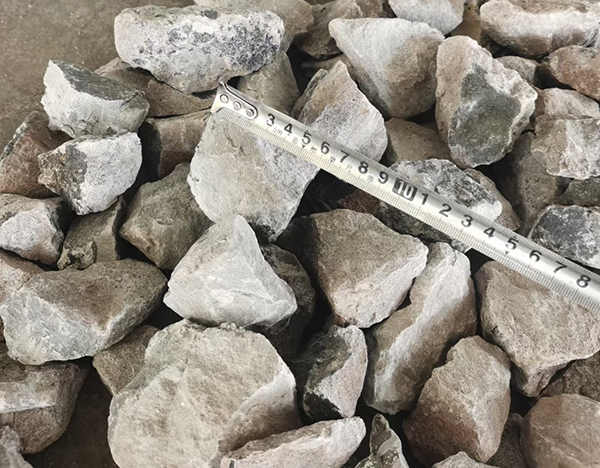
In this case, the steel mill also summarized common problems and corresponding solutions during the desulfurization process, such as issues with uneven desulfurization and excessive slagging. These experiences provide valuable references for other steel mills.
In conclusion, calcium carbide is an effective desulfurizing agent in the steelmaking industry. Understanding its desulfurization mechanism and key process parameters is crucial for optimizing the desulfurization process, improving product quality, and reducing production costs. If you are interested in learning more about the advantages and supply security of calcium carbide products, click here for further information.
 234
|
234
|
 high-performance calcium carbide
calcium carbide supplier
acetylene gas production
international calcium carbide market
calcium carbide quality assurance
184
|
calcium carbide
acetylene production
carbon-based materials
industrial applications
electrical conductivity
186
|
calcium carbide production capacity
high purity calcium carbide
global calcium carbide supply chain
calcium carbide for welding
industrial calcium carbide applications
65
|
Calcium carbide safety hazards
Calcium carbide transportation risks
Acetylene explosion prevention
Phosphine poisoning protection
Calcium carbide safety usage standards
318
|
calcium carbide applications
industrial safety protocols
acetylene gas generation
steel desulfurization agents
calcium carbide quality standards
high-performance calcium carbide
calcium carbide supplier
acetylene gas production
international calcium carbide market
calcium carbide quality assurance
184
|
calcium carbide
acetylene production
carbon-based materials
industrial applications
electrical conductivity
186
|
calcium carbide production capacity
high purity calcium carbide
global calcium carbide supply chain
calcium carbide for welding
industrial calcium carbide applications
65
|
Calcium carbide safety hazards
Calcium carbide transportation risks
Acetylene explosion prevention
Phosphine poisoning protection
Calcium carbide safety usage standards
318
|
calcium carbide applications
industrial safety protocols
acetylene gas generation
steel desulfurization agents
calcium carbide quality standards




.png?x-oss-process=image/resize,h_600,m_lfit/format,webp)