.png?x-oss-process=image/resize,h_500,m_lfit/format,webp)

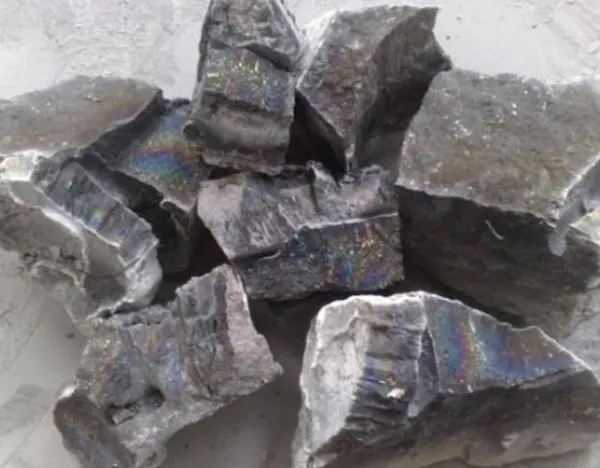
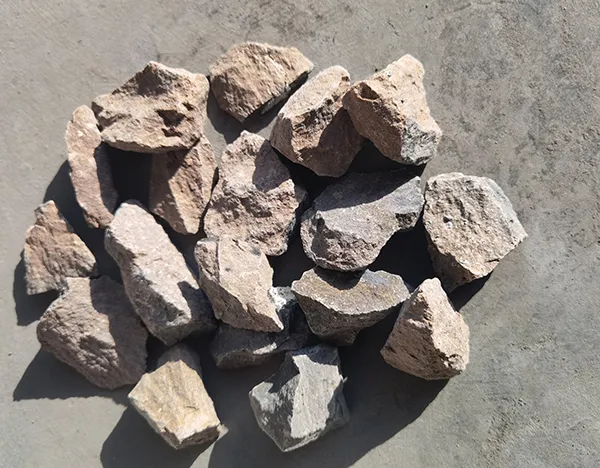
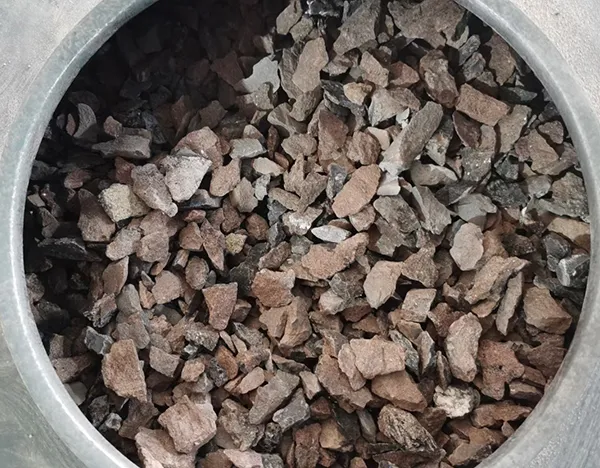
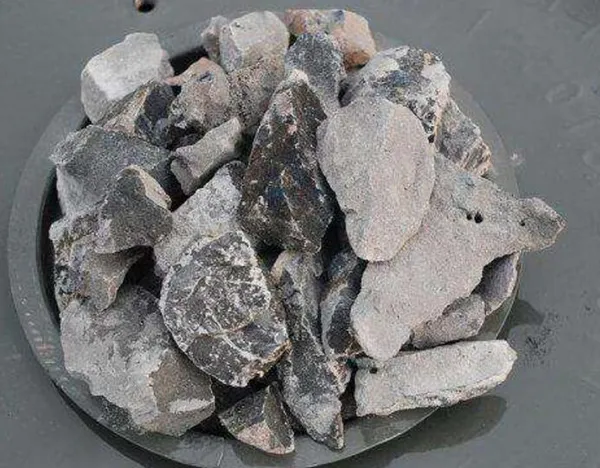
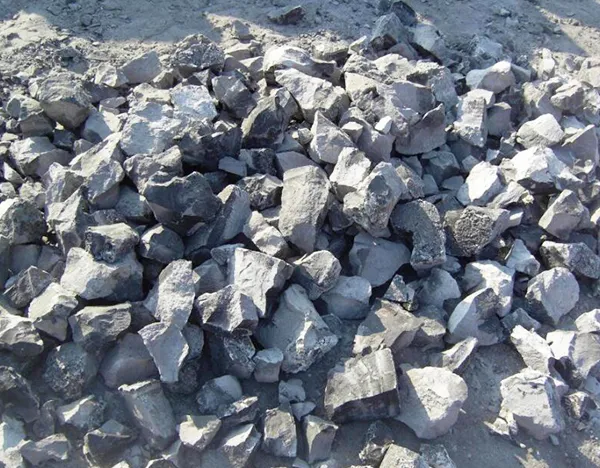
In the realm of industrial raw materials, the particle size of calcium carbide significantly impacts its performance across various applications. Among the commonly utilized sizes, the 10-15mm granular calcium carbide stands out as the preferred choice for international procurement. This article delves into the physical properties and stability of 10-15mm calcium carbide particles, contrasting them with other standard sizes such as 5-10mm and 15-20mm. By analyzing key parameters—including particle size distribution, bulk density, surface activity, and hydrolysis rate—this comprehensive review assists technical engineers, procurement managers, and project executives in making data-driven decisions for optimal material selection.
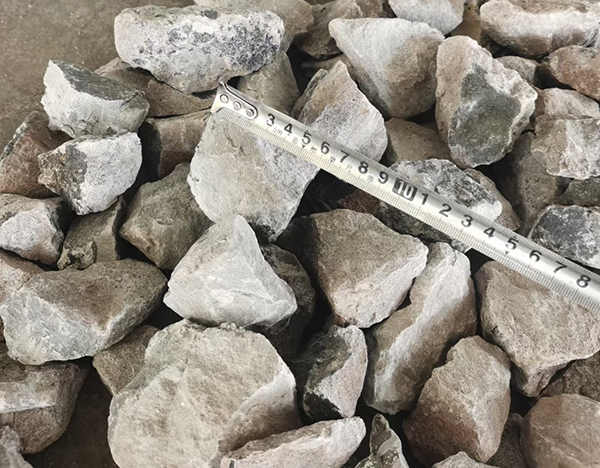
The 10-15mm calcium carbide granules offer an ideal balance between surface area and mass. Their particle size distribution ensures a consistent reaction rate with water, crucial for efficient acetylene gas generation. Empirical studies indicate that granules within this size range exhibit an average bulk density of approximately 1.85 g/cm³, contributing to improved material handling and storage stability.
Surface reactivity, which influences hydrolysis speed, inversely correlates with particle size. 10-15mm sized granules hydrolyze at a controlled rate—faster than 15-20mm but more gradual compared to the finer 5-10mm granules—resulting in more predictable gas evolution and less energy loss due to uncontrolled reactions.
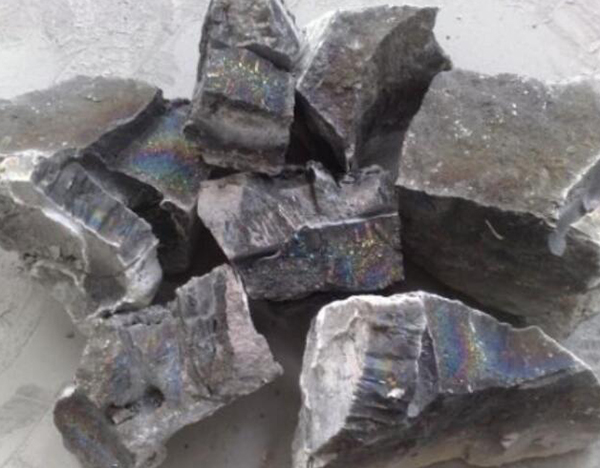
The reaction uniformity and residual impurities vary markedly across these particle sizes:
A sector-wise examination highlights the superiority of 10-15mm calcium carbide granules:
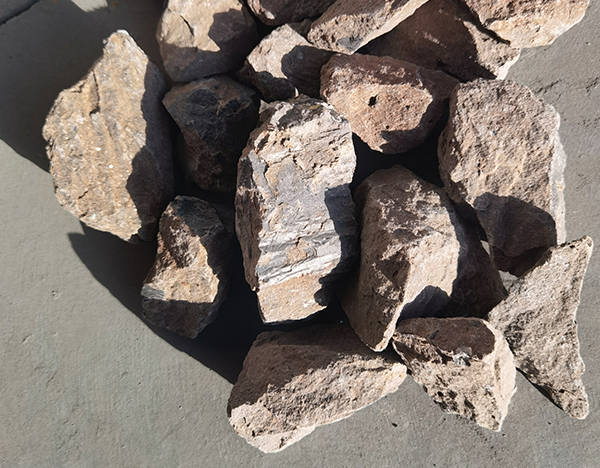
The chemical nature of calcium carbide demands stringent storage and handling to maintain its physical integrity. For 10-15mm granules, maintaining a dry, well-ventilated environment with minimal exposure to moisture, light, and atmospheric contaminants is essential. Packaging solutions featuring moisture-proof liners and shock-absorbent pallets have demonstrated a 25% reduction in product degradation during transit.
Additionally, adherence to standardized international transport regulations, including classification as a hazardous material, ensures safe delivery and compliance. Appropriate measures directly contribute to retaining the material's reactivity and ultimately, operational safety at the end-user site.
“Switching to 10-15mm calcium carbide has streamlined our acetylene production line, reducing unwanted residues by nearly 15% and saving approximately 8% in energy costs — a truly measurable improvement on both performance and operational expenses.” – Globalchemical Solutions, Procurement Lead.
 62
|
62
|
 high purity calcium carbide
calcium carbide quality control
calcium carbide manufacturing process
calcium carbide applications
calcium carbide production capacity
256
|
High-purity calcium carbide
Stable supply of calcium carbide
Quality control of calcium carbide
Calcium carbide for chemical industry
Market advantages of calcium carbide
152
|
calcium carbide supply
high-purity calcium carbide
calcium carbide production capacity
industrial calcium carbide applications
calcium carbide market growth
318
|
calcium carbide applications
industrial safety protocols
acetylene gas generation
steel desulfurization agents
calcium carbide quality standards
327
|
calcium carbide
acetylene production
industrial applications
chemical industry
export market
high purity calcium carbide
calcium carbide quality control
calcium carbide manufacturing process
calcium carbide applications
calcium carbide production capacity
256
|
High-purity calcium carbide
Stable supply of calcium carbide
Quality control of calcium carbide
Calcium carbide for chemical industry
Market advantages of calcium carbide
152
|
calcium carbide supply
high-purity calcium carbide
calcium carbide production capacity
industrial calcium carbide applications
calcium carbide market growth
318
|
calcium carbide applications
industrial safety protocols
acetylene gas generation
steel desulfurization agents
calcium carbide quality standards
327
|
calcium carbide
acetylene production
industrial applications
chemical industry
export market


.png?x-oss-process=image/resize,h_600,m_lfit/format,webp)