.png?x-oss-process=image/resize,h_500,m_lfit/format,webp)
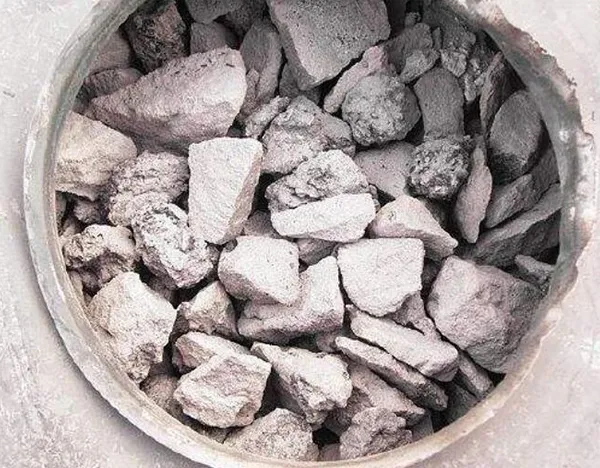
Calcium carbide, also known as calcium acetylide, is a crucial industrial chemical. When it reacts with water, it produces acetylene gas through a well - defined chemical process. The reaction equation is CaC₂ + 2H₂O → C₂H₂↑+ Ca(OH)₂. This simple yet powerful reaction is the cornerstone of acetylene production in the chemical industry.
The reaction between calcium carbide and water is exothermic, releasing approximately 127 kJ/mol of heat. This heat can be harnessed in some industrial applications, but it also requires careful temperature control to ensure safety and efficiency.
Acetylene produced from calcium carbide is widely used in metal cutting and welding. The high - temperature flame generated by the combustion of acetylene in oxygen can reach temperatures up to 3100°C, which is sufficient to melt most metals. In the metalworking industry, this process is used for precision cutting and joining of various metal components.
In the past, acetylene was a popular source of lighting, especially in areas where electricity was not readily available. The bright, white light produced by burning acetylene was used in lamps for mining, street lighting, and even in early automotive headlights.
Acetylene is a key raw material in the production of PVC, one of the most widely used plastics in the world. The reaction between acetylene and hydrogen chloride produces vinyl chloride monomer, which is then polymerized to form PVC. This application accounts for a significant portion of the global acetylene demand.
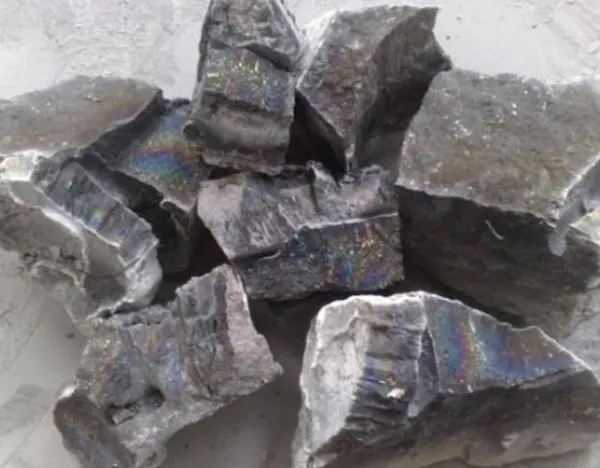
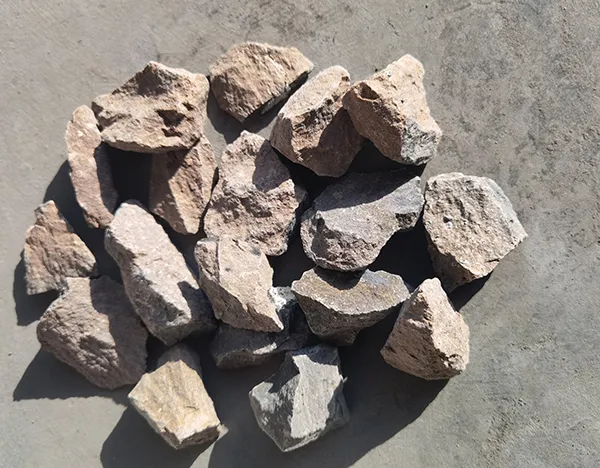
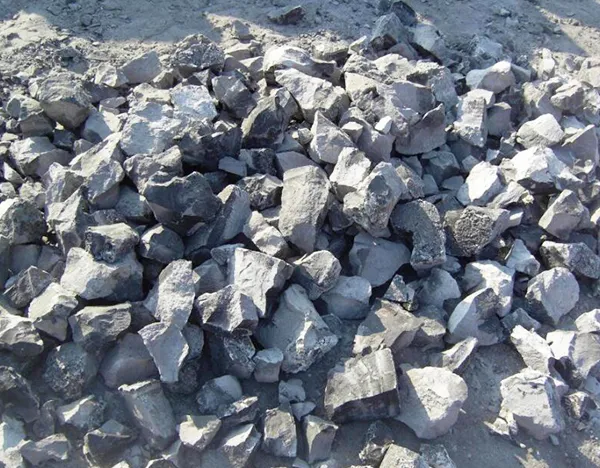
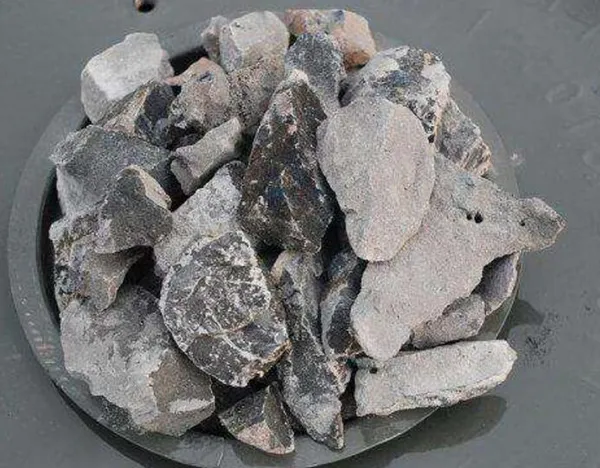
The purity of calcium carbide has a direct impact on the yield of acetylene. High - purity calcium carbide (above 80%) can ensure a higher acetylene production rate. Impurities in calcium carbide, such as phosphide and sulfide, can not only reduce the yield but also pose safety risks, as phosphine gas produced from phosphide can be explosive.
Temperature and moisture are critical factors in the reaction. The optimal reaction temperature is around 50 - 60°C. Higher temperatures can accelerate the reaction rate, but they also increase the risk of side reactions and safety hazards. Moisture control is also essential, as excessive moisture can cause the calcium carbide to react prematurely or form lumps, reducing the reaction efficiency.
Many chemical companies have achieved high - efficiency and stable operation in the calcium carbide - acetylene process. For example, Company X has implemented strict quality control measures for calcium carbide, ensuring a purity of over 85%. By precisely controlling the reaction temperature and moisture, they have increased the acetylene yield by 30% compared to traditional methods.
The future of the calcium carbide - acetylene process lies in energy conservation, environmental protection, and automation. New technologies are being developed to reduce energy consumption during the reaction, such as using more efficient heat exchangers. In terms of environmental protection, methods are being explored to reduce the emission of pollutants such as phosphine and dust. Automation is also a key trend, with the use of sensors and control systems to monitor and adjust the reaction process in real - time.
Do you want to know more about how to optimize your calcium carbide - acetylene production process? Are you interested in the latest technologies and best practices in this field? Leave a message and let's discuss together! You can also click here to learn more about our advanced calcium carbide - acetylene solutions, which can help you increase your production efficiency by more than 30% and make calcium carbide a high - value chemical raw material rather than a potential hazard.


.png?x-oss-process=image/resize,h_600,m_lfit/format,webp)