.png?x-oss-process=image/resize,h_500,m_lfit/format,webp)
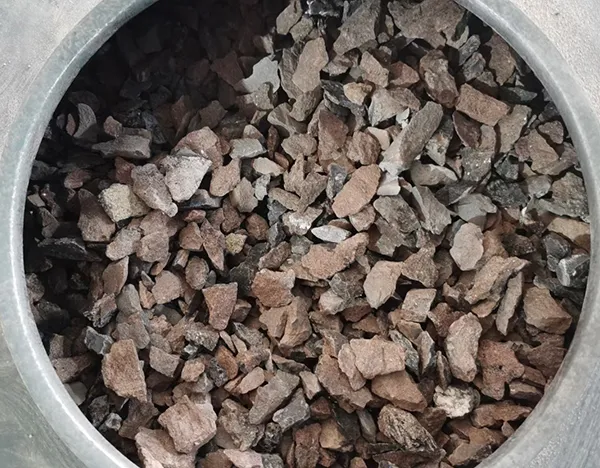
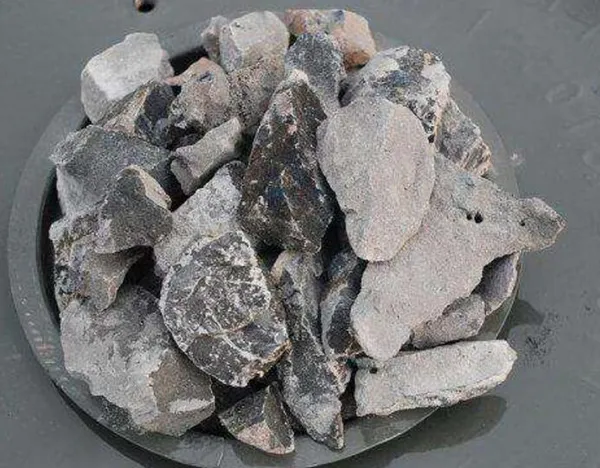
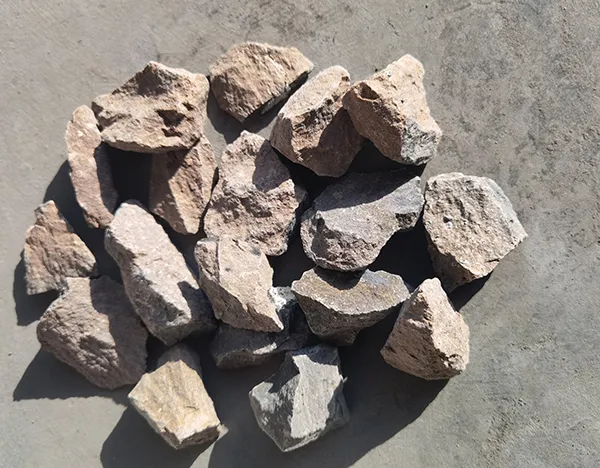
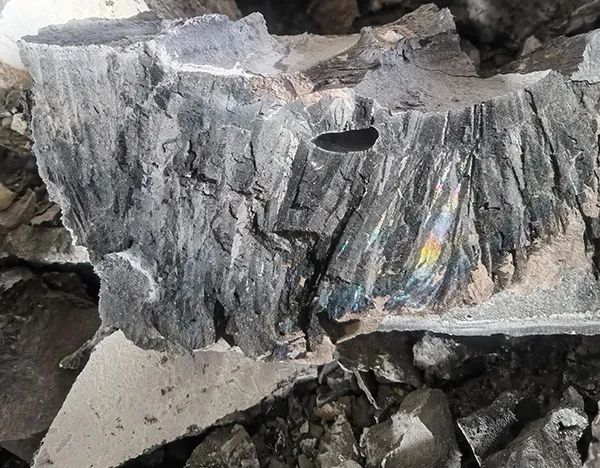
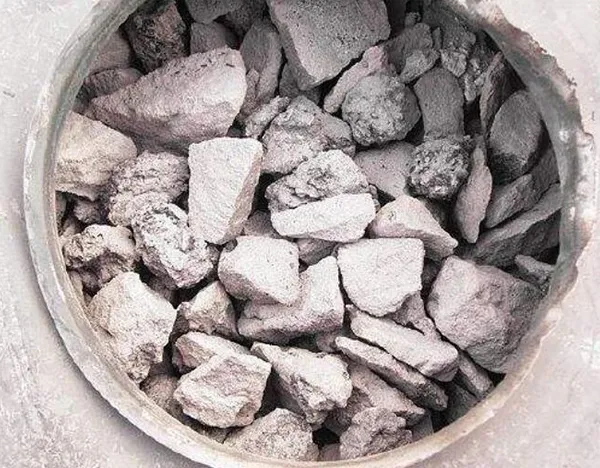
In global industrial supply chains, high-purity calcium carbide (CaC₂) is no longer just a raw material—it’s a strategic enabler for advanced manufacturing. With over 7 million tons annually consumed worldwide in ethylene and acetylene production alone, this compound bridges traditional chemistry with emerging green technologies.
Unlike standard-grade electric stone, high-purity calcium carbide (>95% purity) offers consistent reaction efficiency, reduced impurities in downstream products, and better performance in high-temperature processes like steelmaking or semiconductor fabrication. For example:
| Application Sector | Key Benefit | Global Market Impact |
|---|---|---|
| Chemical Industry | High yield of acetylene (~90% conversion rate) | $12B+ annual global acetylene market (Statista, 2024) |
| Metallurgy | Reduces carbon emissions in electric arc furnaces | EU mandates 30% lower CO₂ per tonne of steel by 2030 |
| Electronics | Used in silicon carbide crystal growth | Silicon carbide power devices expected to grow at 18% CAGR |
A mid-sized foundry in Essen switched from low-grade to high-purity calcium carbide in 2023. The result? A 12% reduction in energy consumption during alloying and improved slag quality—leading to fewer furnace shutdowns. According to Dr. Lena Müller, Head of R&D at the plant: “This isn’t just about purity—it’s about predictability.”
You might be asking: Is your facility using calcium carbide today? If so, how much do you know about its grade variability—and what it could mean for your process stability?
Pro Tip: When sourcing globally, always request a Certificate of Analysis (CoA). It reveals actual CaC₂ content, moisture levels, and trace metals—critical for compliance in EU, North America, and Middle East markets.
Whether you're scaling up ethylene production or optimizing metallurgical fluxes, high-purity calcium carbide can drive measurable gains across multiple industries.
Get Your Free Technical Data Sheet Now →

.png?x-oss-process=image/resize,h_600,m_lfit/format,webp)