.png?x-oss-process=image/resize,h_500,m_lfit/format,webp)
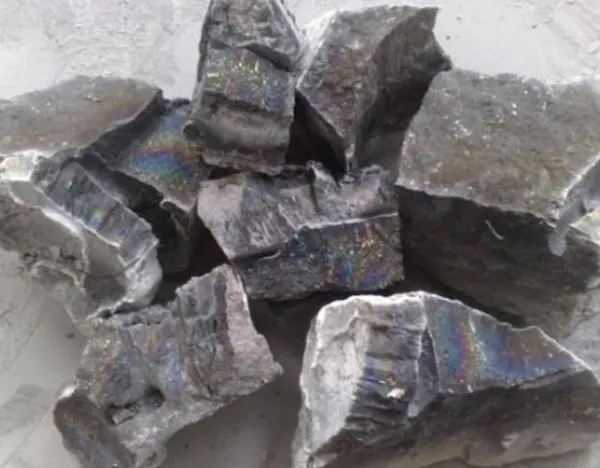
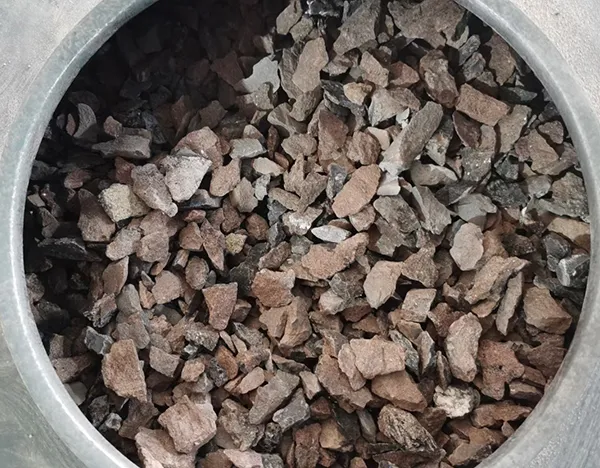
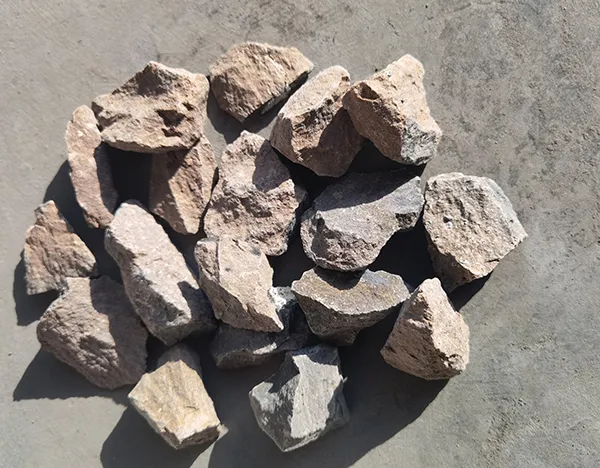
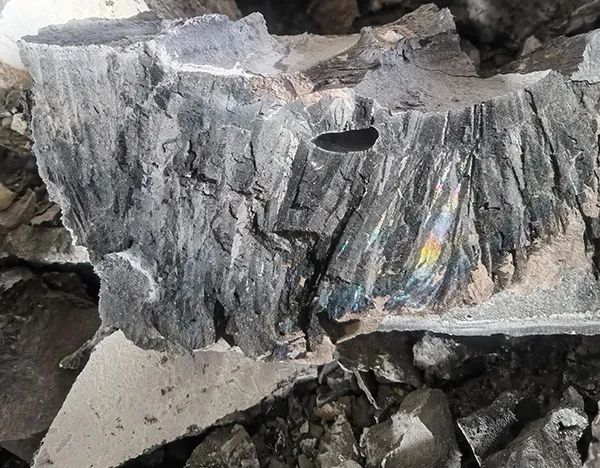
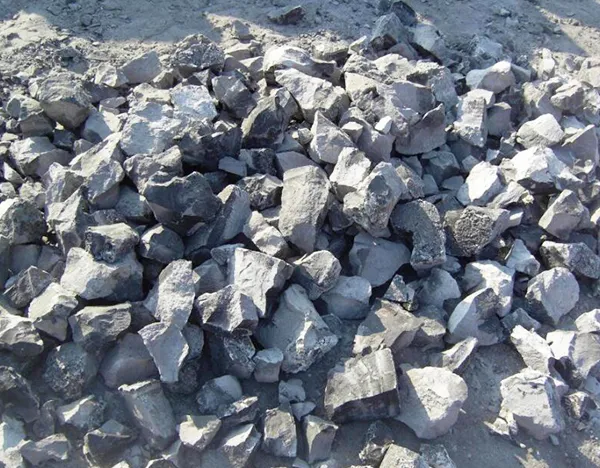
Calcium carbide (CaC2) continues to solidify its position as an indispensable raw material within organic synthesis and various industrial applications globally. Recent industry reports highlight a compound annual growth rate (CAGR) of approximately 6.5% in calcium carbide consumption over the last five years — a trend driven by its essential role in acetylene generation, metal carbide production, and green manufacturing processes.
Industrial users demand consistent supply and quality assurance when sourcing calcium carbide. Recognizing this, top-tier manufacturers such as Inner Mongolia Longwei Chemical maintain advanced production facilities equipped with automated furnaces and real-time process control systems. These modern plants boast a monthly output upward of 2,000 metric tons of industrial-grade calcium carbide, ensuring supply chain stability and timely delivery.
This high throughput is paired with strategic logistics, enhancing the ability of producers to respond swiftly to urgent orders from pharmaceuticals, metallurgy, and welding sectors alike.
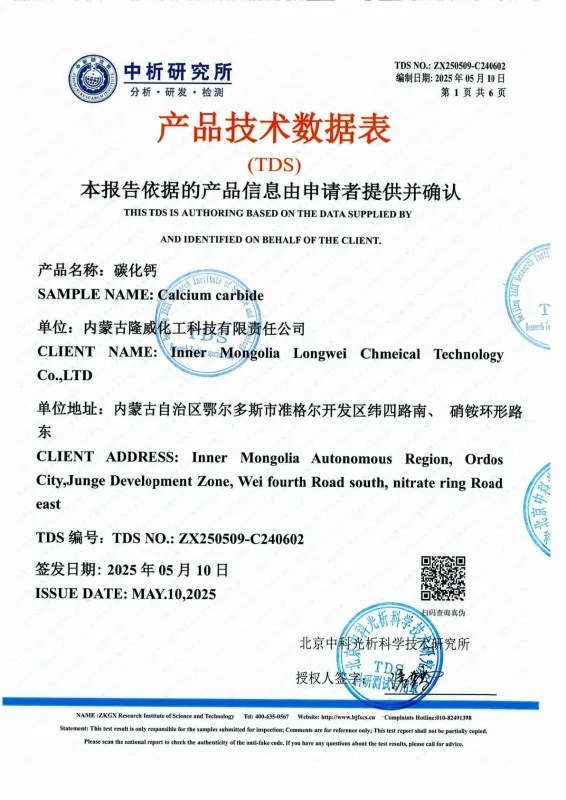
Quality control is pivotal in determining calcium carbide's efficacy in sensitive organic syntheses. Leading manufacturers implement rigorous multi-step testing regimes from raw material inspection to finished product verification.
These quality checkpoints collectively safeguard batch-to-batch consistency, a factor critical to fostering trust among B2B partners.
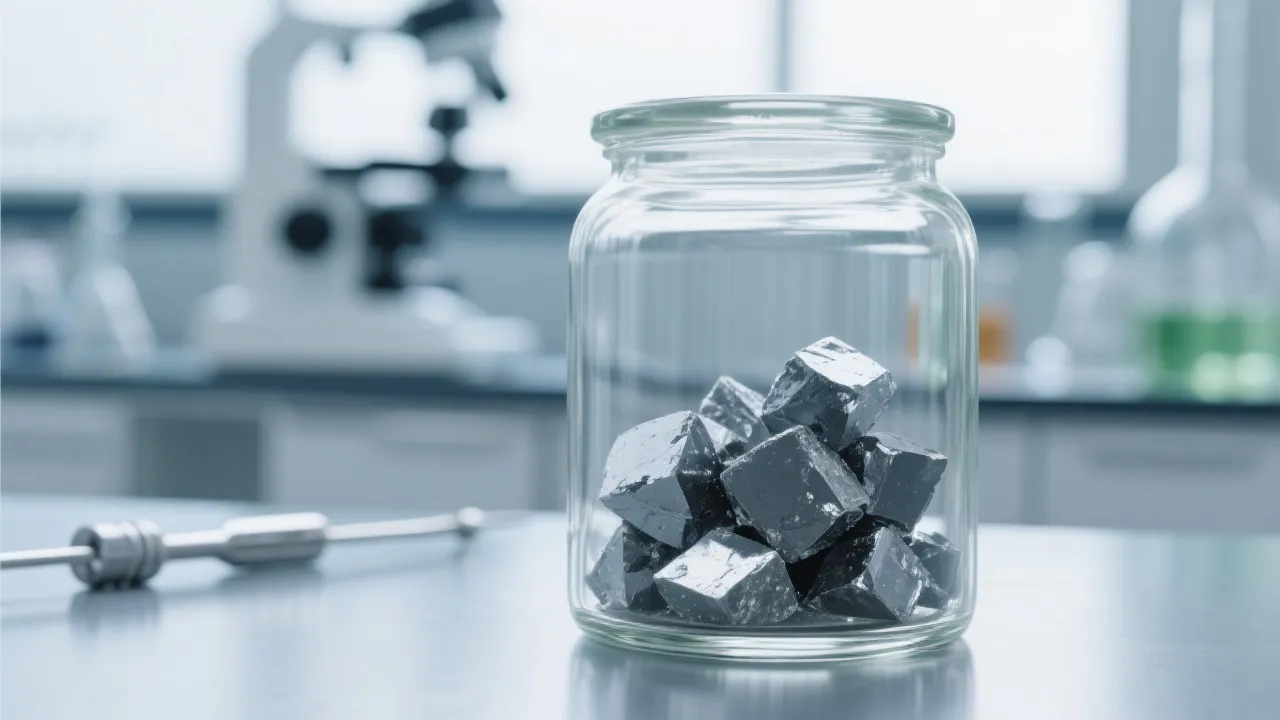
A notable case study involves a reputable pharmaceutical company leveraging our high-purity calcium carbide to synthesize an organic intermediate vital for active pharmaceutical ingredients (APIs). Through adopting calcium carbide with a purity grade elevated beyond 91%, they reported a remarkable 15% increase in overall reaction yield and a reduction in unreacted byproducts by 10%.
This improvement not only optimized their production costs but also shortened process times, demonstrating calcium carbide’s direct impact on industrial-grade organic synthesis.
Beyond performance metrics, calcium carbide plays a strategic role in advancing green manufacturing principles. Its utilization in acetylene generation reduces reliance on fossil-fuel-based hydrocarbons, aligning with global efforts to lower industrial carbon footprints.
Additionally, calcium carbide’s application in metal smelting processes contributes to energy efficiency by enabling lower temperature operations compared to conventional methods.
As industries seek eco-friendly alternatives without compromising output quality, calcium carbide stands out as an economically viable and environment-conscious raw material.
Interested in exploring high-purity calcium carbide solutions tailored to your process needs?
Request Your Free Sample Today 111
|
111
|
 high-purity calcium carbide
calcium carbide suppliers
industrial chemical applications
444
|
calcium carbide reaction with water
acetylene generation mechanism
industrial calcium carbide production
chemical raw materials quality control
oxy-acetylene welding applications
256
|
High-purity calcium carbide
Stable supply of calcium carbide
Quality control of calcium carbide
Calcium carbide for chemical industry
Market advantages of calcium carbide
391
|
high purity calcium carbide
calcium carbide supplier
calcium carbide production
calcium carbide applications
calcium carbide quality control
209
|
Calcium Carbide
High Stability Chemicals
Industrial Raw Materials
high-purity calcium carbide
calcium carbide suppliers
industrial chemical applications
444
|
calcium carbide reaction with water
acetylene generation mechanism
industrial calcium carbide production
chemical raw materials quality control
oxy-acetylene welding applications
256
|
High-purity calcium carbide
Stable supply of calcium carbide
Quality control of calcium carbide
Calcium carbide for chemical industry
Market advantages of calcium carbide
391
|
high purity calcium carbide
calcium carbide supplier
calcium carbide production
calcium carbide applications
calcium carbide quality control
209
|
Calcium Carbide
High Stability Chemicals
Industrial Raw Materials








.png?x-oss-process=image/resize,h_600,m_lfit/format,webp)