.png?x-oss-process=image/resize,h_500,m_lfit/format,webp)
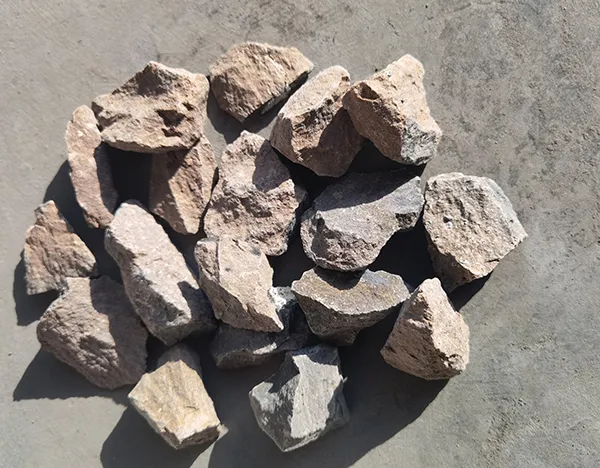
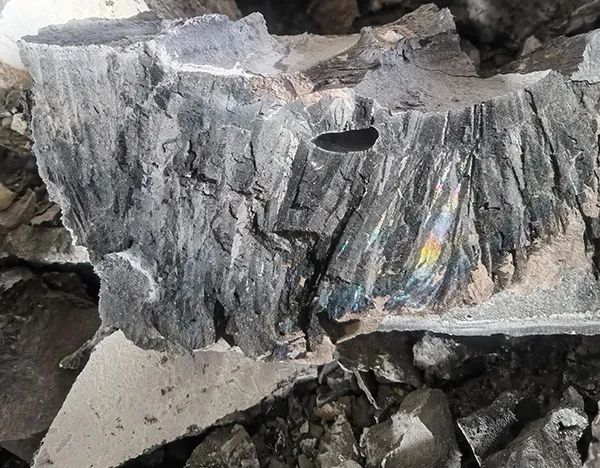
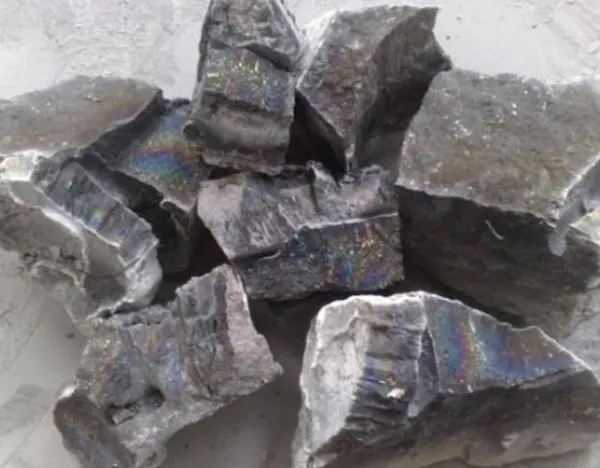
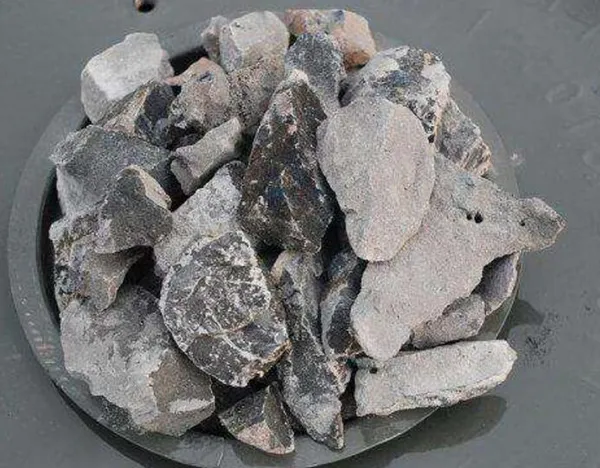
In the high-stakes world of metallurgical processing, raw material quality directly impacts yield, safety, and operational efficiency. Among the many inputs used in steelmaking and alloy production, calcium carbide (CaC₂) stands out—not just as a chemical compound but as a performance-driven solution that powers critical processes like acetylene generation via the electric arc method.
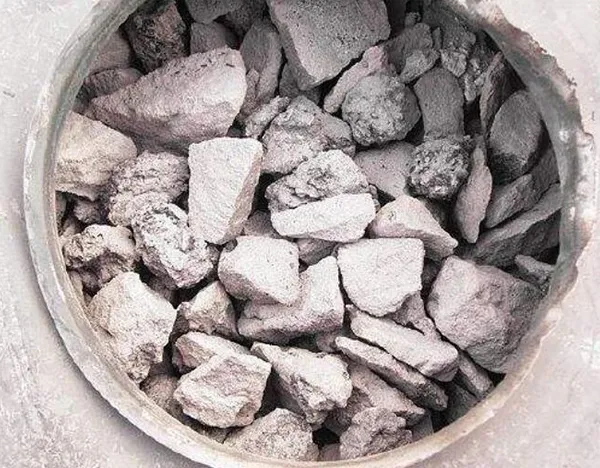
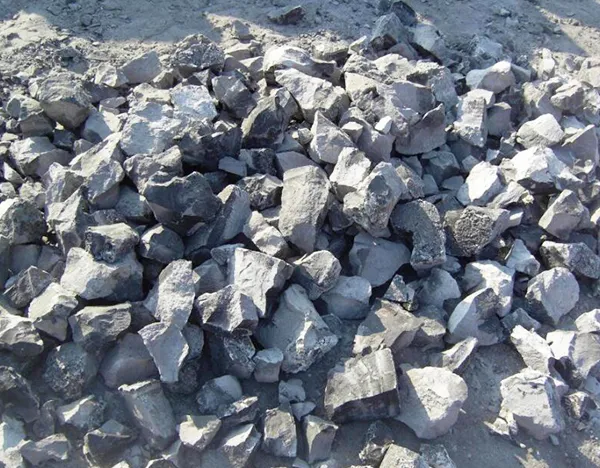
At Longwei Chemical Technology Co., Ltd.—a certified supplier with an annual capacity of 100,000 metric tons in Ordos, Inner Mongolia—the focus on purity ensures consistent reaction kinetics during ethyne (acetylene) production. Our carbonized calcium has a minimum CaC₂ content of 85%, well above industry standards (typically 75–80%), which reduces impurities such as sulfur and phosphorus that can compromise furnace integrity or gas purity.
A recent report by Metallurgical Engineering Review highlights how using high-purity calcium carbide increases acetylene output by up to 12% while lowering energy consumption per unit by 8%. This isn’t theoretical—it’s measurable in real-world operations across Asian and European foundries.
“In our pilot plant in Poland, switching from standard-grade to premium-grade calcium carbide improved electrode life by 18% and reduced downtime due to clogging incidents.” — Dr. Lena Müller, Lead Process Engineer, Silesian Steelworks
Our monthly production volume of 2,000 metric tons allows us to offer stable supply chains—even during peak seasons or global disruptions. Each batch undergoes five-stage quality checks: raw material screening, melting process monitoring, granulation control, moisture testing, and final certification before shipment.
Geographic advantage also plays a role: located near coal and limestone reserves, our facility minimizes logistics costs and carbon footprint—an increasingly important factor for ESG-conscious buyers in Germany, Japan, and the EU.
One major client—a Tier-1 Chinese steel producer—reported saving over $150,000 annually after adopting our calcium carbide. The savings came not only from better acetylene yields but also from fewer furnace maintenance cycles and less waste disposal.
For procurement managers evaluating suppliers, this means predictable costs, fewer technical issues, and smoother compliance with ISO 9001 and REACH regulations—especially relevant when exporting to Europe or North America.


.png?x-oss-process=image/resize,h_600,m_lfit/format,webp)