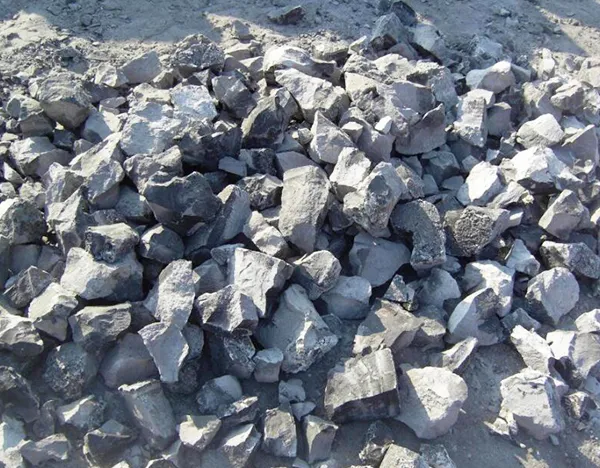
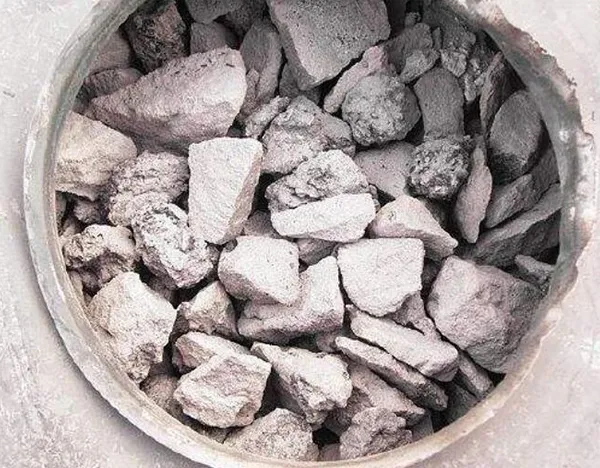
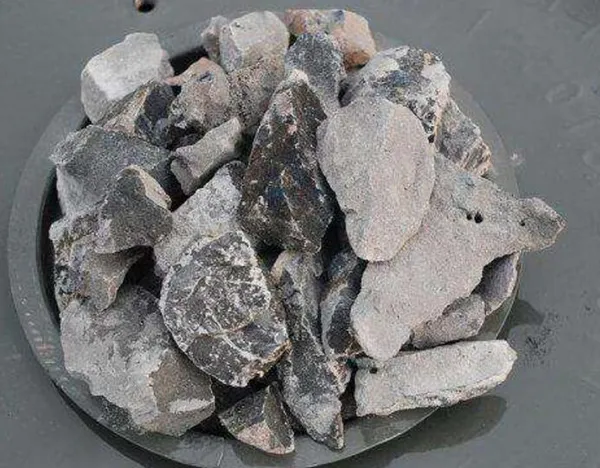
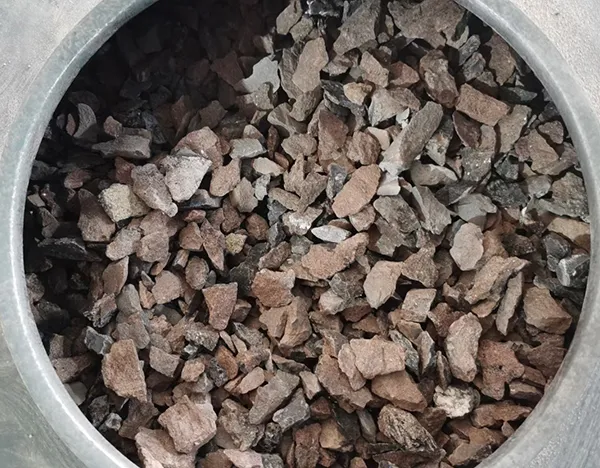
.png?x-oss-process=image/resize,h_500,m_lfit/format,webp)
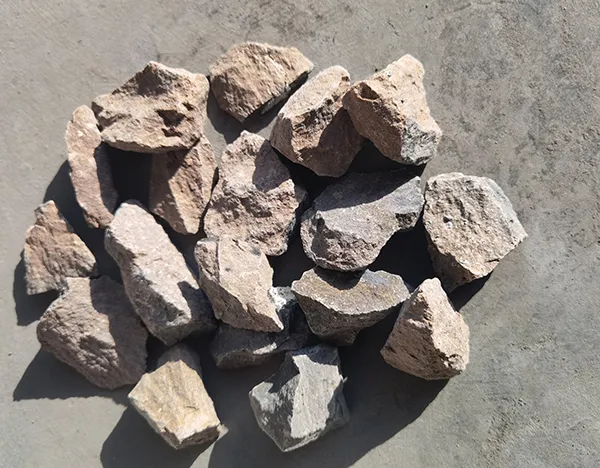
In today’s competitive metal industry, every kilowatt-hour saved and every ton of output gained counts. One often-overlooked but powerful solution? Calcium carbide (CaC₂). This high-melting-point compound isn’t just a raw material—it’s a strategic lever for efficiency gains in modern steelmaking.
“We saw a 12% drop in energy consumption within six months after integrating calcium carbide into our electric arc furnace process—no major equipment changes needed.”
— Dr. Lena Müller, Process Engineering Lead at SteelPro Global
Calcium carbide melts at over 2,200°C and conducts electricity efficiently—a rare trait among industrial additives. When introduced into molten metal, it acts as both a reducing agent and a heat source, accelerating slag formation and lowering the melting point of iron ore. The byproduct? Acetylene gas (C₂H₂), which can be captured and used in welding or chemical synthesis—creating a dual-value loop.
At Shandong Iron & Steel Co., engineers replaced traditional lime-based fluxes with calcium carbide in their EAF operations. Over 9 months:
| Metric | Before CaC₂ | After CaC₂ |
|---|---|---|
| Energy Use (kWh/ton) | 520 | 457 |
| Output Increase (%) | +2.3% | +7.1% |
| ROI Period | ~14 months | ~9 months |
This isn’t an isolated win—it’s a replicable model. Companies across Europe, Southeast Asia, and Latin America are now adopting similar approaches, driven by rising energy costs and sustainability mandates.
Whether you're running a small foundry or a large-scale mill, calcium carbide offers a proven path to:
“It’s not magic—it’s smart chemistry,” says Mark Chen, a metallurgist at a German steel supplier. “If your plant is still using basic fluxes, you’re likely leaving money on the table.”
So—have you tried optimizing your smelting process with calcium carbide? What challenges have you faced?
Get access to our free technical guide: "How to Integrate Calcium Carbide into Your Smelting Line Without Disruption".
Download the Free Guide Now

.png?x-oss-process=image/resize,h_600,m_lfit/format,webp)