.png?x-oss-process=image/resize,h_500,m_lfit/format,webp)
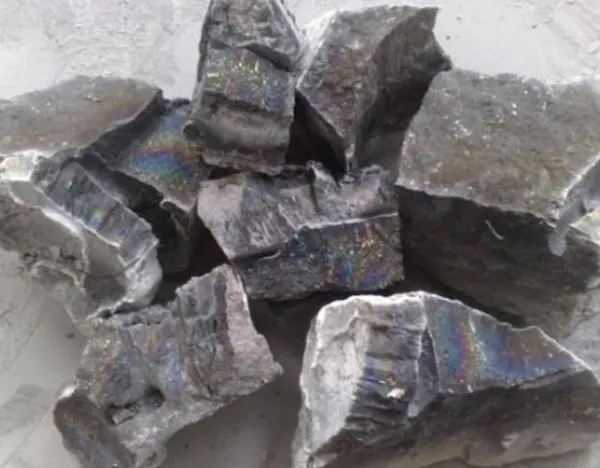
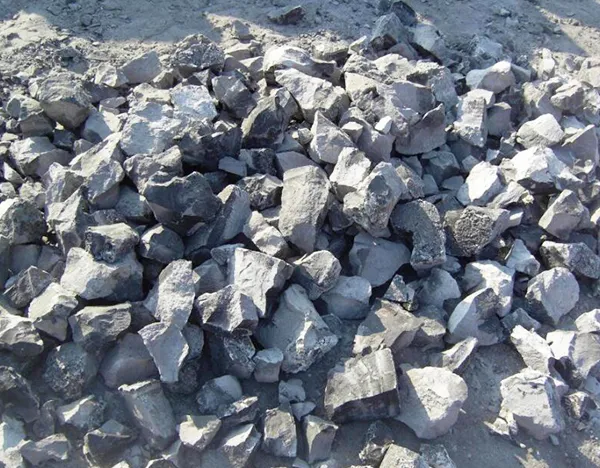
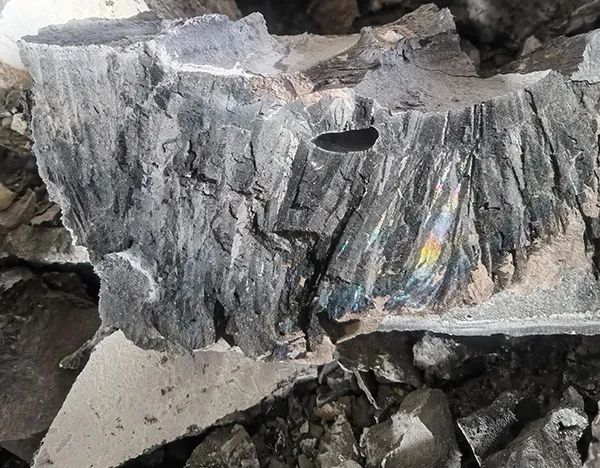
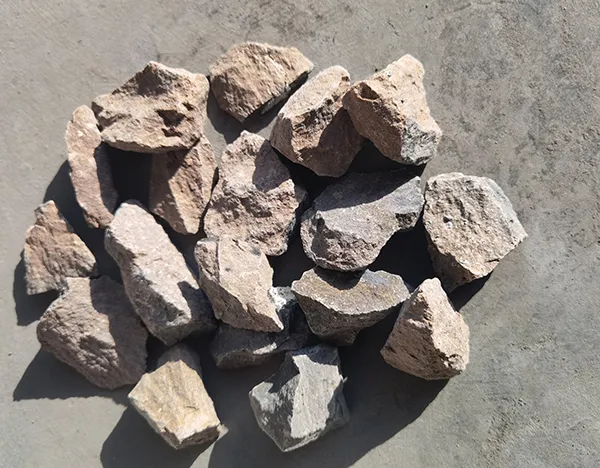
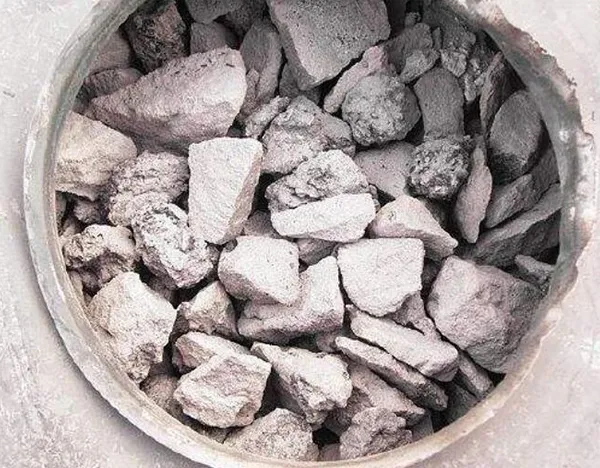
Calcium carbide (CaC₂), often overlooked in modern industrial discussions, is quietly driving innovation across metallurgy, electronics, and chemical manufacturing. With its high melting point (>2000°C), excellent electrical conductivity, and efficient acetylene-producing capability, this compound remains a critical raw material for industries seeking performance-driven, cost-effective solutions.
Unlike many synthetic materials, calcium carbide offers a unique blend of physical and chemical properties:
| Industry | Application | Efficiency Gain / Benefit |
|---|---|---|
| Metallurgy | Furnace lining material | Reduces maintenance costs by 12–18% annually |
| Chemical Manufacturing | Acetylene generation for PVC precursors | Supports >40% of global vinyl chloride monomer supply |
| Electronics | Carbon-based electrodes | Improves current density by 10–15% vs. graphite alternatives |
These real-world results demonstrate that calcium carbide isn’t just a legacy material—it’s an enabler of next-gen processes. In fact, the global demand for acetylene-based chemicals alone is projected to grow at 4.7% CAGR through 2030 (Statista, 2024), positioning CaC₂ as a strategic feedstock for sustainable production.
As green hydrogen and carbon capture technologies evolve, calcium carbide’s role may expand beyond traditional uses. Researchers are exploring its use in solid-state batteries and as a catalyst support in CO₂ conversion systems—an area where early-stage pilot projects show promise.
For manufacturers looking to future-proof operations, integrating calcium carbide into existing workflows can offer measurable ROI within 6–12 months. Whether you're optimizing your furnace lining or sourcing high-purity acetylene, the data speaks clearly: this material delivers.
Have you considered how calcium carbide could improve your process efficiency? Share your experience or questions below—we’d love to hear from engineers, procurement managers, and R&D teams who are pushing boundaries in their industries.


.png?x-oss-process=image/resize,h_600,m_lfit/format,webp)