.png?x-oss-process=image/resize,h_500,m_lfit/format,webp)
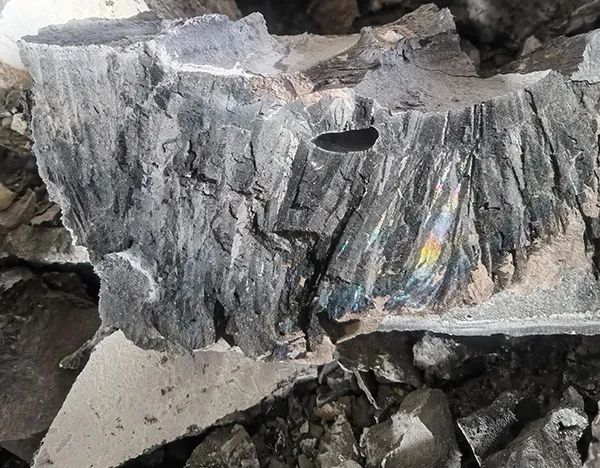
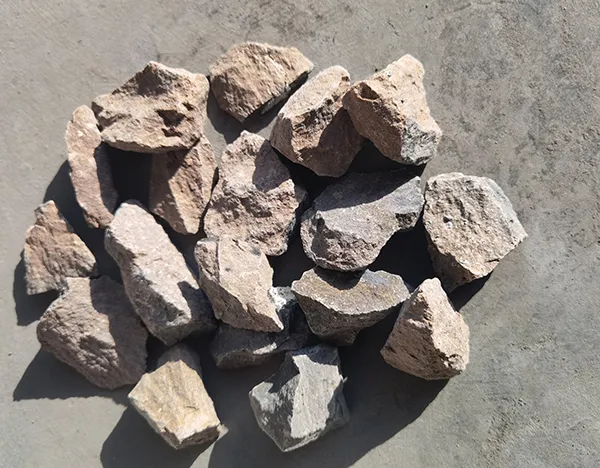
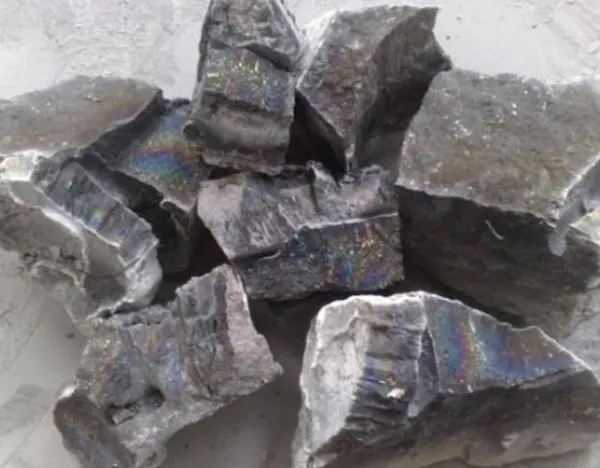
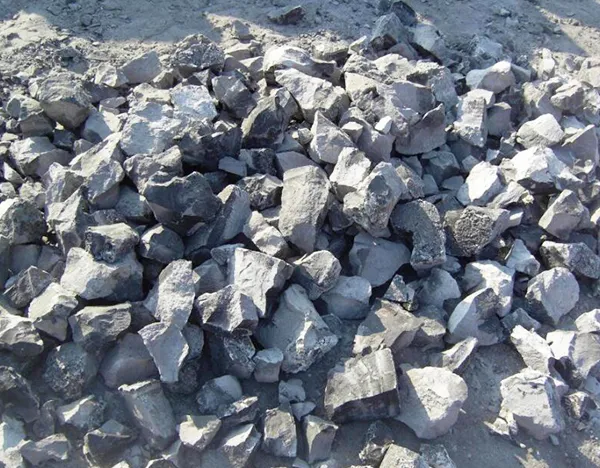
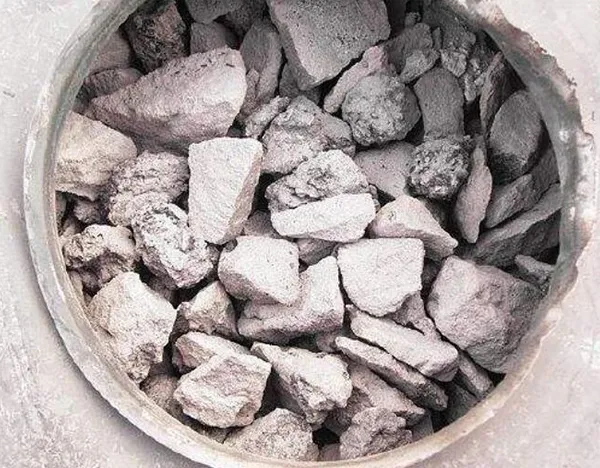
Calcium carbide (CaC₂), commonly known as electrical stone, is a critical inorganic compound with unique physical and chemical properties that make it indispensable across multiple industries—from metallurgy to electronics and beyond. With a melting point of approximately 2,300°C and excellent electrical conductivity, this grayish-black solid serves as both a raw material and an energy-efficient solution for high-performance applications worldwide.
Its most notable reaction—CaC₂ + 2H₂O → C₂H₂ + Ca(OH)₂—produces acetylene gas, which fuels oxy-acetylene welding and cutting processes used in construction, shipbuilding, and metal fabrication. Globally, over 4 million tons of calcium carbide are consumed annually, primarily in China, India, and Southeast Asia, where industrial growth continues to accelerate.
| Industry Segment | Key Application | Estimated Global Demand Growth (2024–2027) |
|---|---|---|
| Chemical Production | Acetylene generation for vinyl chloride, plastics, and solvents | +5.3% CAGR |
| Metallurgy | Deoxidizer in steelmaking; alloying agent in ferroalloys | +3.7% CAGR |
| Electronics | High-purity carbon source for silicon carbide semiconductors | +9.1% CAGR (driven by EVs & renewables) |
In Vietnam’s expanding steel sector, one major manufacturer reported a 12% reduction in impurities when using calcium carbide as a deoxidizer instead of traditional manganese alloys—a direct result of its reactive nature and consistent purity levels. Similarly, a semiconductor startup in Germany leveraged high-grade calcium carbide to produce SiC crystals for next-gen power modules, achieving a 15% improvement in thermal efficiency.
These aren’t isolated examples—they reflect how modern manufacturers are turning to calcium carbide not just for cost savings, but for performance gains that align with global sustainability goals.
As industries push toward greener production methods, calcium carbide stands out due to its recyclability, minimal environmental footprint during use, and compatibility with emerging technologies like carbon capture systems in integrated steel plants.
Ready to explore how calcium carbide can enhance your production process? Whether you're sourcing raw materials or looking for technical support, we’re here to help you unlock value at every stage.
Get Your Free Technical Brochure NowIf you’ve ever wondered how a simple compound can drive innovation across sectors—from welding torches to electric vehicle components—this is your chance to dive deeper. Share your thoughts below: What industry do you think will benefit most from calcium carbide’s versatility?


.png?x-oss-process=image/resize,h_600,m_lfit/format,webp)