.png?x-oss-process=image/resize,h_500,m_lfit/format,webp)
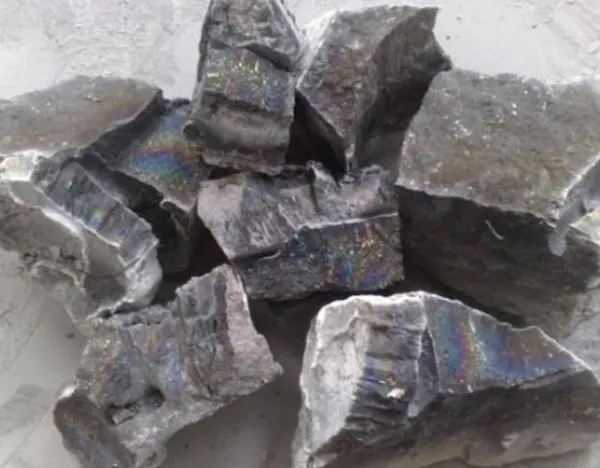
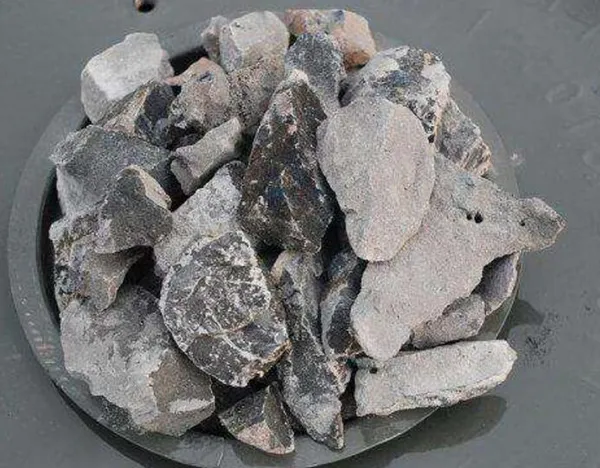
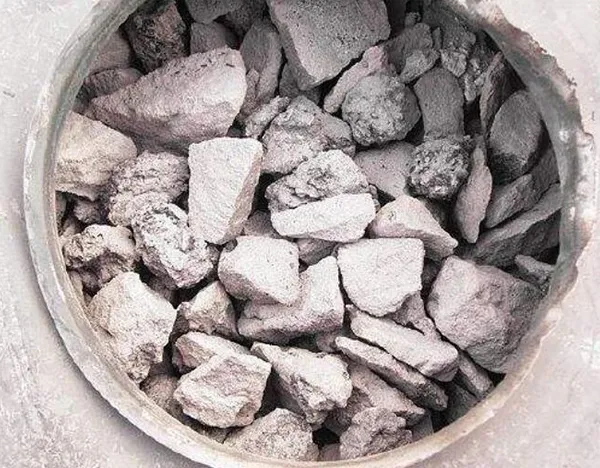
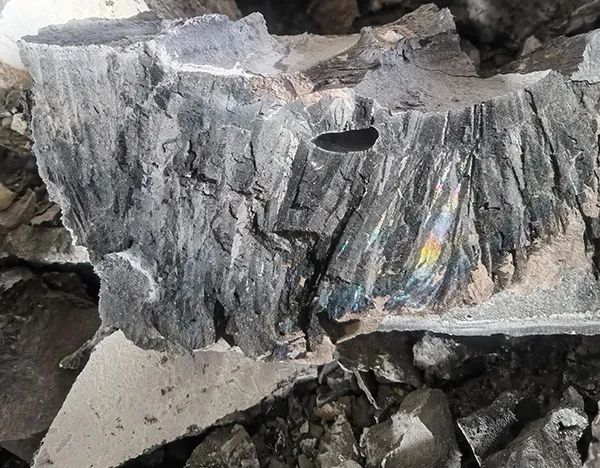
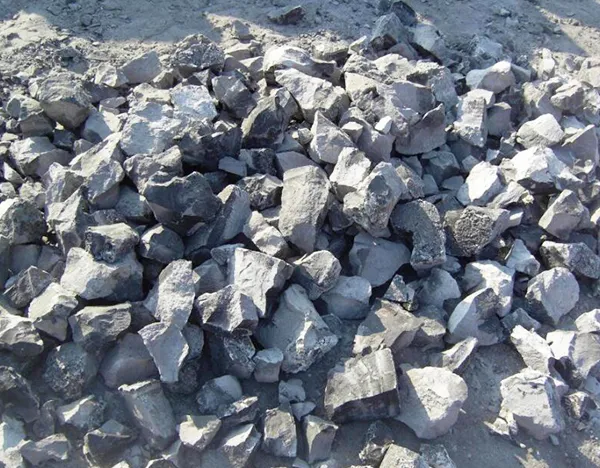
Calcium carbide (CaC2), commonly known as electric stone or “carbide,” holds a unique place in the industrial sector due to its distinctive physical and chemical properties. Exhibiting a remarkably high melting point around 2,100°C and excellent electrical conductivity, calcium carbide facilitates a range of innovative industrial processes. This article elucidates the critical role of calcium carbide in sectors such as electronics, metallurgy, and chemicals, showcasing recent industrial applications that drive efficiency and sustainability.
The reaction of calcium carbide with water produces acetylene gas (C2H2), a highly versatile hydrocarbon used extensively in welding, lighting, and organic synthesis. This ability to generate acetylene on demand with high purity (98%+ in industrial setups) makes calcium carbide invaluable in energy-sensitive manufacturing environments. Moreover, its crystalline structure supports electrical conductivity, enabling use in electrode manufacturing and steel refining techniques.
| Industry | Application | Key Outcome |
|---|---|---|
| Metallurgy | Steel decarburization via electric furnace electrodes | 20% increase in energy efficiency; reduced impurities |
| Electronics | Fabrication of high conductivity components | Enhanced component lifespan by 15% |
| Chemical Industry | On-site acetylene gas generation for organic synthesis | Reduced transportation costs by 30%; improved safety |
A recent case at a leading steel manufacturer in Germany demonstrated how integrating calcium carbide electrodes optimized melting efficiency, cutting overall operational costs by 12% within the first six months. Similarly, a chemical plant in China reported a 25% improvement in production throughput through innovative acetylene gas synthesis protocols using high-purity calcium carbide.
Global calcium carbide demand is projected to grow at a CAGR of 5.8% from 2023 to 2030, driven mainly by increasing industrialization in Asia-Pacific and rising acetylene application in downstream chemicals. The expanding electric vehicle sector and green steel production processes also present fertile ground for calcium carbide innovation. Our latest market data indicates sectors like electronics manufacture could see a further 10% uptick in calcium carbide usage driven by enhanced material requirements.
Industrial buyers prioritize product purity (minimum 95% CaC2) and reliable supply chains, factors that underpin successful long-term partnerships. Vendors incorporating sustainable production techniques are gaining competitive advantages, aligning with stricter environmental regulations worldwide.
Industry leaders emphasize the need for advancing calcium carbide technology to overcome current limitations, such as handling safety and reaction control. Prominent researchers from the International Carbide Consortium highlight progress in nano-structured calcium carbide variants, which promise higher reactivity and tailored gas release rates.
We invite industrial professionals and decision-makers to discuss practical challenges and innovative solutions related to calcium carbide applications. How does your operation leverage calcium carbide to optimize performance? What new areas do you envision for its adoption? Your insights could drive the next wave of industrial breakthroughs.
Share your experiences or questions about calcium carbide’s role in your industry below. Engaging with fellow professionals helps build collective knowledge and uncovers new opportunities. Your voice matters!


.png?x-oss-process=image/resize,h_600,m_lfit/format,webp)