.png?x-oss-process=image/resize,h_500,m_lfit/format,webp)
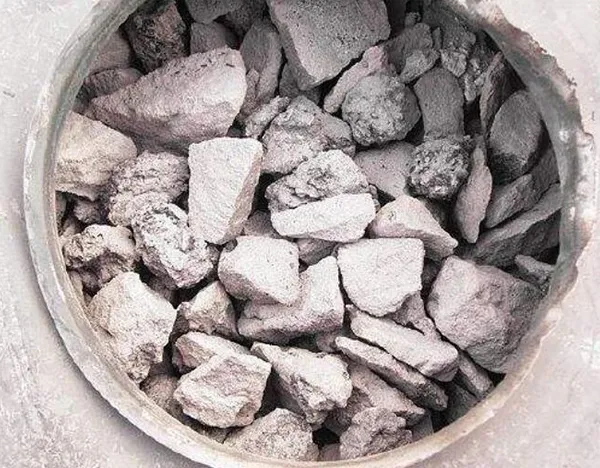
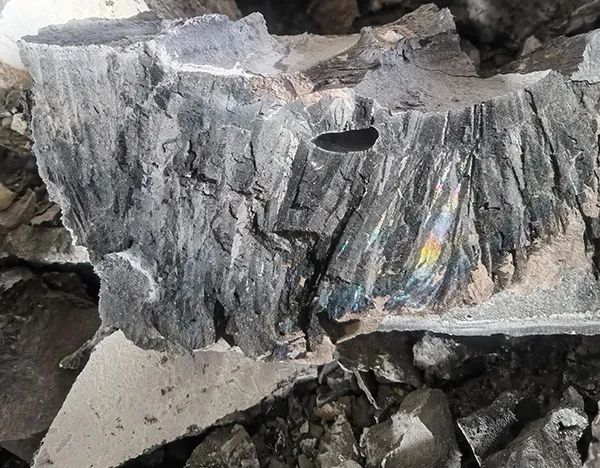
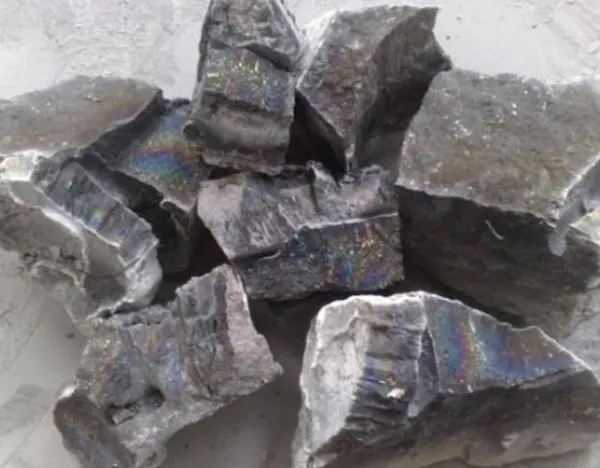
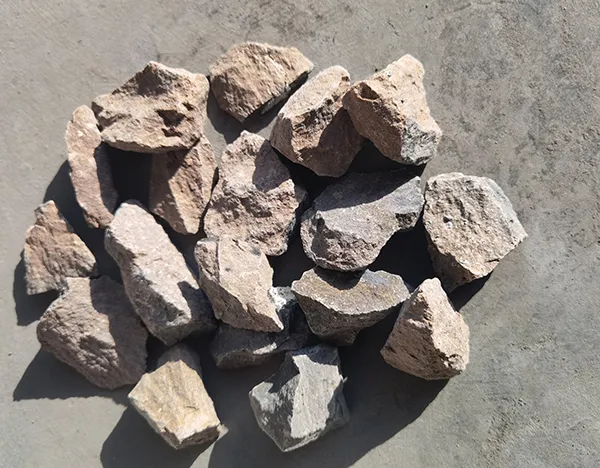
Calcium carbide (CaC₂), also known as calcium acetylide, is a chemical compound with remarkable physical and chemical properties. It has a high melting point, typically around 2300°C, which makes it suitable for high - temperature industrial processes. Its excellent electrical conductivity further expands its application scope. When calcium carbide reacts with water, it generates acetylene gas (C₂H₂) through the following chemical reaction: CaC₂ + 2H₂O → C₂H₂ + Ca(OH)₂. This reaction is the cornerstone of many industrial applications.
In the chemical industry, calcium carbide is a key raw material for acetylene production. Acetylene, in turn, is used to synthesize a wide range of chemicals, such as vinyl chloride, which is used to produce polyvinyl chloride (PVC). According to industry reports, the global demand for PVC is expected to grow at a CAGR of about 3 - 5% in the next five years, driving the continuous demand for calcium carbide. For example, in Asia, the large - scale construction and infrastructure projects have led to a significant increase in PVC consumption, thus boosting the calcium carbide market.
The electronics industry benefits from calcium carbide's electrical conductivity. It is used in the production of certain types of semiconductors and electronic components. With the rapid development of the electronics industry, especially the growth of 5G technology and the Internet of Things (IoT), the demand for high - performance electronic components is increasing, which indirectly promotes the demand for calcium carbide. For instance, the production of advanced sensors and microchips may require calcium carbide - based materials.
In the metallurgical industry, calcium carbide is used as a desulfurizing and deoxidizing agent. It can remove impurities from molten metals, improving the quality of steel and other metals. In steel production, the addition of a small amount of calcium carbide can significantly enhance the mechanical properties of steel. The global steel production is expected to reach about 2 billion tons by 2025, and calcium carbide will continue to play an important role in this process.
The global calcium carbide market has been growing steadily in recent years. Asia is the largest consumer and producer of calcium carbide, accounting for about 60% of the global market share. China, in particular, is a major exporter of calcium carbide, with its exports accounting for about 30% of the global total. The market in Europe and North America is also growing, driven by the demand for high - quality chemicals and advanced materials.
The growth of the calcium carbide market is mainly due to the increasing demand from various industries. The development of new applications, such as in the production of renewable energy - related materials, also provides new growth opportunities. However, the market also faces challenges, such as environmental regulations and the development of alternative materials. But overall, the future of the calcium carbide market looks promising.
We encourage professional readers, potential customers, and technology enthusiasts to participate in the following discussion. What do you think are the most promising applications of calcium carbide in the future? How can we address the environmental challenges in calcium carbide production? Share your thoughts and ideas in the comments section below.


.png?x-oss-process=image/resize,h_600,m_lfit/format,webp)