.png?x-oss-process=image/resize,h_500,m_lfit/format,webp)
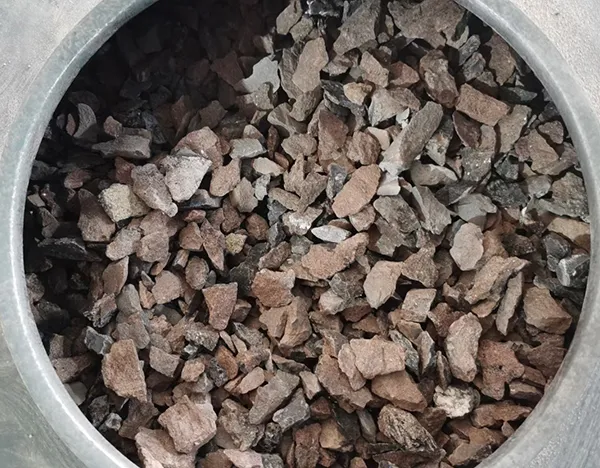
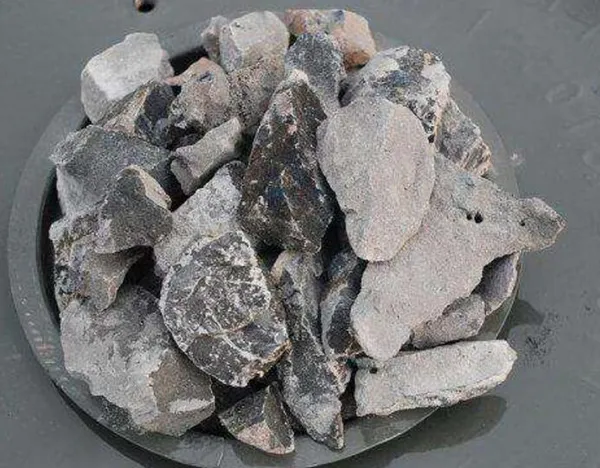
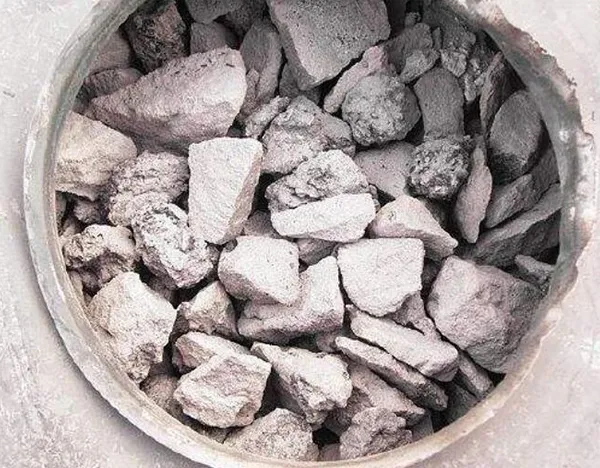
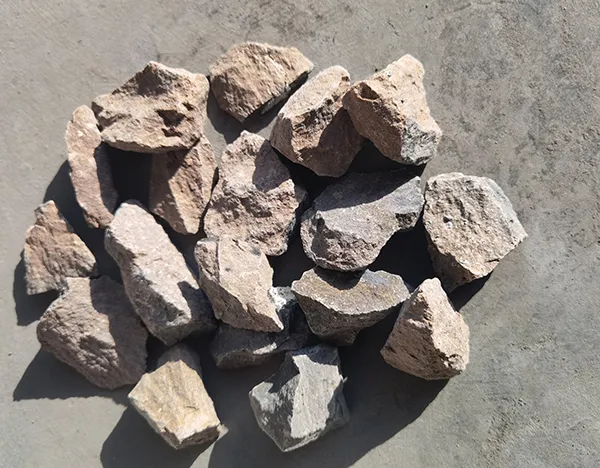
Calcium carbide (CaC₂), commonly known as "electric stone," is far more than just a raw material—it's a critical enabler of innovation across multiple industries including metallurgy, electronics, and chemical manufacturing. With global demand growing at an average rate of 4.7% annually (source: Statista 2023), understanding how to identify premium-grade calcium carbide isn’t just smart—it’s essential for operational efficiency and competitive advantage.
High-quality calcium carbide typically has a melting point above 2,200°C, excellent electrical conductivity, and consistent reactivity with water to produce acetylene gas—a key feedstock in welding, plastics production, and even specialty lighting applications. These physical traits translate directly into performance benefits:
A mid-sized steel mill in Coahuila, Mexico, switched from low-grade calcium carbide to a certified supplier offering ISO 9001 and SGS-certified batches. Within six months, they reported:
| Metric | Before Switch | After Switch |
|---|---|---|
| Yield Improvement (%) | 7.2% | 12.5% |
| Rejection Rate (%) | 5.8% | 2.1% |
| Process Stability | Low | High |
In today’s global supply chain, buyers increasingly demand traceability, consistency, and compliance. The most trusted suppliers now offer not only ISO 9001 but also third-party certifications like SGS, Bureau Veritas, or UL. For example, companies sourcing from China’s top-tier producers see 30–40% faster customs clearance due to verified quality documentation.
If you're evaluating calcium carbide for your operations—whether in construction, metal refining, or chemical processing—it pays to prioritize reliability over cost alone. A small investment in certified material can lead to significant gains in productivity, safety, and long-term ROI.
Get access to our verified B2B supplier network—tested, certified, and trusted by industrial buyers worldwide.
Explore Certified Suppliers Now →

.png?x-oss-process=image/resize,h_600,m_lfit/format,webp)