.png?x-oss-process=image/resize,h_500,m_lfit/format,webp)
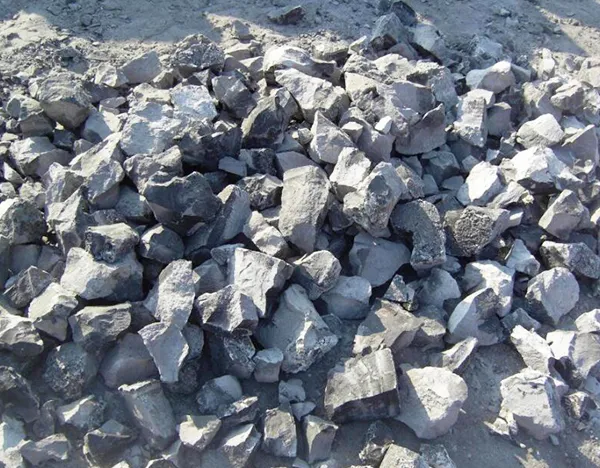
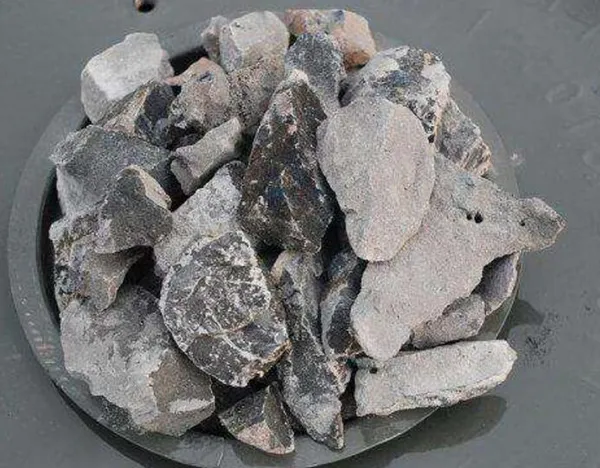
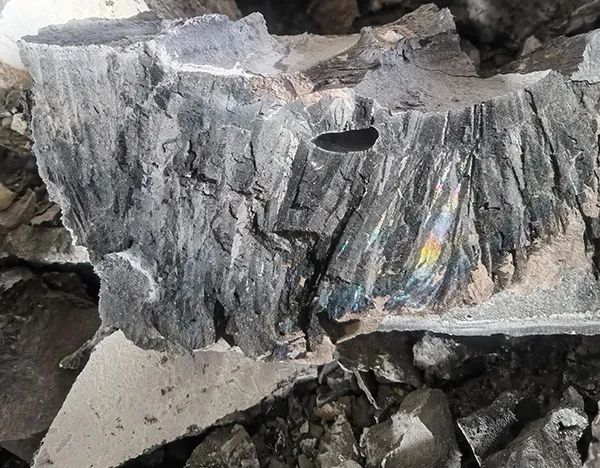
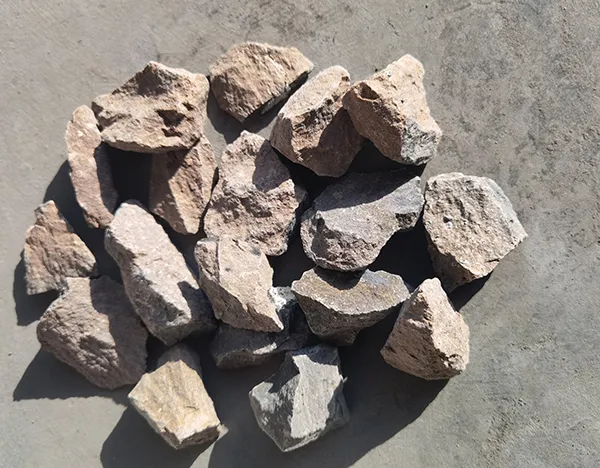
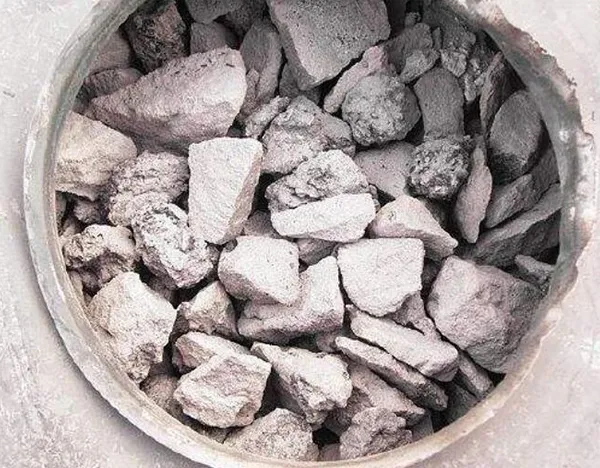
Calcium carbide (CaC₂), often overlooked beyond its role in acetylene gas production, is emerging as a critical material in advanced electronic manufacturing—thanks to its exceptional thermal stability and electrical conductivity. With melting points exceeding 2,500°C and electrical resistivity values as low as 0.04 Ω·m, it’s no surprise that industries from semiconductor fabrication to aerospace-grade component production are reevaluating its value.
In high-temperature environments where conventional materials fail, calcium carbide holds up under extreme conditions. For example, in the production of silicon carbide (SiC) wafers used in electric vehicle inverters, CaC₂ serves as both a reducing agent and conductive additive—improving yield by up to 18% compared to traditional carbon sources, according to a 2023 study published in Journal of Materials Processing Technology.
| Application Area | Key Benefit | Estimated ROI (Year 1) |
|---|---|---|
| Semiconductor Substrates | Enhanced thermal uniformity during crystal growth | 15–25% |
| High-Temp Electrodes | Reduced oxidation at >1800°C | 20–30% |
| Industrial Furnace Lining | Improved heat retention and structural integrity | 10–15% |
While calcium carbide has long been known for generating acetylene gas—a key fuel in welding—it’s now being recognized for its direct integration into next-gen electronics. In China’s growing SiC wafer market, which reached over $4.2 billion in 2024 (Source: Statista), manufacturers report reduced defect rates when using CaC₂-based precursors in CVD reactors.
“We were skeptical at first,” says Dr. Lin Wei, Lead Process Engineer at a Tier-1 EV supplier in Shenzhen. “But after testing pure CaC₂ versus graphite powder, we saw better dopant distribution and fewer microcracks in the final product.” This shift isn’t just about performance—it’s about scalability. As global demand for energy-efficient semiconductors surges, so does the need for reliable raw materials like calcium carbide.
The future looks bright for CaC₂ in industrial applications. Research teams in Germany and South Korea are exploring nanostructured forms of calcium carbide that could further boost conductivity while minimizing impurities. Early prototypes show promise in battery anode coatings, potentially increasing cycle life by 30% in lithium-ion systems.
If you're an engineer, procurement manager, or R&D lead working with high-temp processes or advanced materials, this is your moment to explore how calcium carbide can elevate your products. Don't just read about it—see it in action.
Ready to test calcium carbide in your process? Let’s talk about custom grades, purity levels, and pilot-scale trials tailored to your needs.
Explore Our Calcium Carbide Solutions Today

.png?x-oss-process=image/resize,h_600,m_lfit/format,webp)