.png?x-oss-process=image/resize,h_500,m_lfit/format,webp)
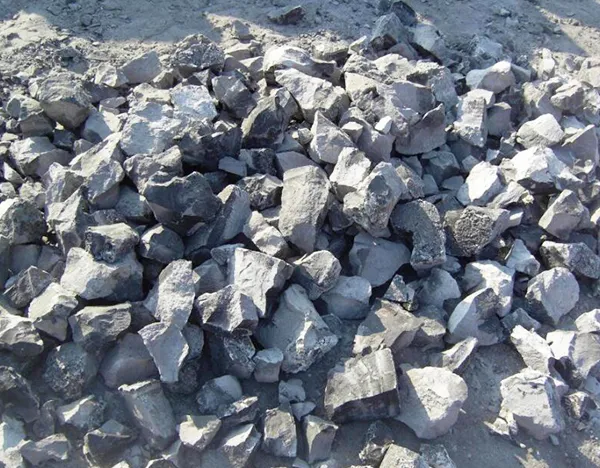
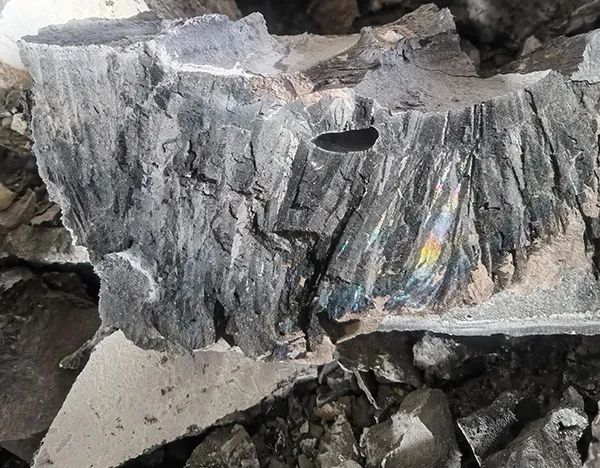
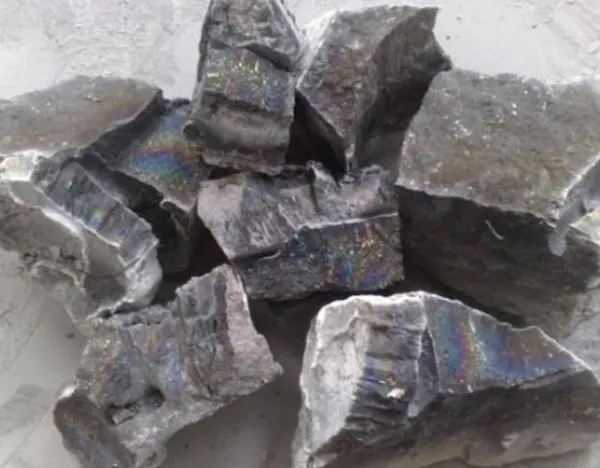
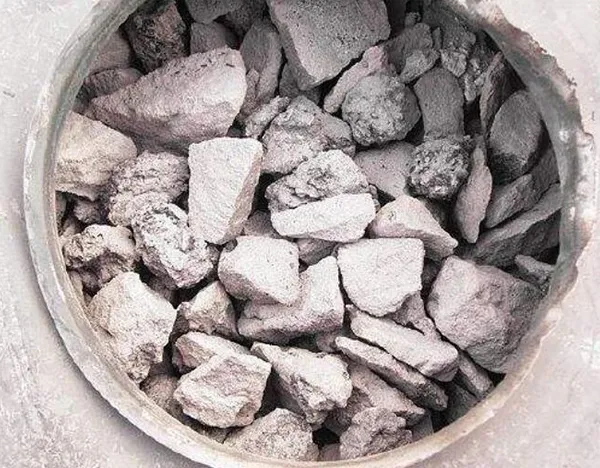
Calcium carbide (CaC₂), a key raw material in the chemical industry, has unique properties that make it valuable in multiple industrial sectors. With a high melting point and electrical conductivity, it reacts with water to produce acetylene, a crucial chemical compound. This reaction is the basis for many of its applications.
In the metallurgical industry, calcium carbide is used as a desulfurizing agent. It can effectively remove sulfur from molten iron, improving the quality of steel products. According to industry reports, approximately 30% of calcium carbide production is consumed in the metallurgical sector, and this demand is expected to grow steadily in the next few years.
The electronics industry also benefits from calcium carbide. It is used in the production of certain electronic components due to its electrical conductivity. As the demand for high - performance electronic devices continues to rise, the use of calcium carbide in this sector is projected to increase by about 15% annually.
The chemical industry is the largest consumer of calcium carbide. Acetylene produced from calcium carbide is used in the synthesis of various chemicals, such as vinyl chloride, which is a key raw material for PVC production. Currently, over 50% of calcium carbide is used in the chemical industry, and this share may remain stable in the short - term.
The global demand for calcium carbide is on the rise. In regions like Asia, especially in countries such as China and India, the rapid industrialization has led to a significant increase in demand. In the Middle East, with the development of the petrochemical industry, there is also a growing need for calcium carbide. According to market research, the global calcium carbide market is expected to reach XX million tons by 2025, with an average annual growth rate of about 5%.
This growth presents excellent export opportunities for calcium carbide producers. By targeting regions with high demand and favorable trade policies, companies can expand their market share and increase profits.
Let's take a look at some real - world examples. A chemical company in Europe used calcium carbide to produce high - quality acetylene for its specialty chemical production. By optimizing the production process and using high - purity calcium carbide, the company was able to improve product quality and reduce production costs by 10%. Another metallurgical plant in Asia increased the desulfurization efficiency by 15% after switching to a new type of calcium carbide desulfurizing agent.
Impurity control is crucial for the quality of calcium carbide products. High - purity calcium carbide can improve the efficiency of downstream processes and reduce waste. Additionally, safe use is of utmost importance. Calcium carbide reacts violently with water, so proper storage and handling procedures must be followed to prevent accidents. By focusing on these aspects, the industry can achieve sustainable development and upgrade.
Looking ahead, technological innovation will play a key role in the calcium carbide industry. New production methods that are more energy - efficient and environmentally friendly are being developed. For example, research is underway to reduce the energy consumption of calcium carbide production by 20% through new smelting technologies. Green development is also a major trend, with companies aiming to reduce emissions and waste during the production process.
Are you interested in learning more about how calcium carbide can benefit your business? Do you have any questions about its applications or export opportunities? Leave your comments below and let's start a discussion!


.png?x-oss-process=image/resize,h_600,m_lfit/format,webp)