.png?x-oss-process=image/resize,h_500,m_lfit/format,webp)
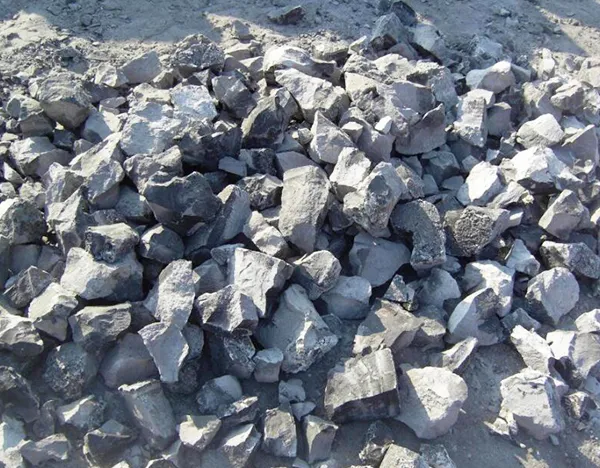
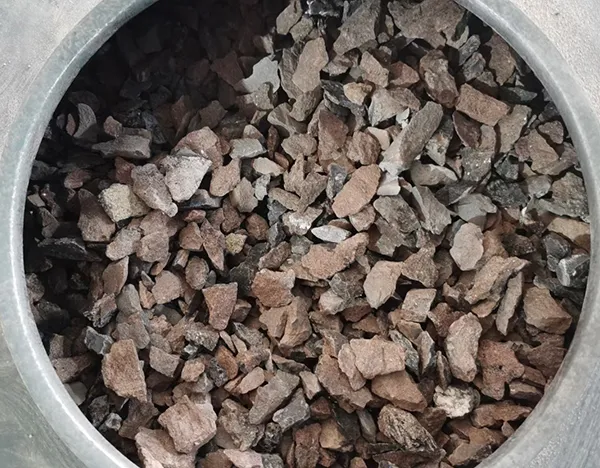
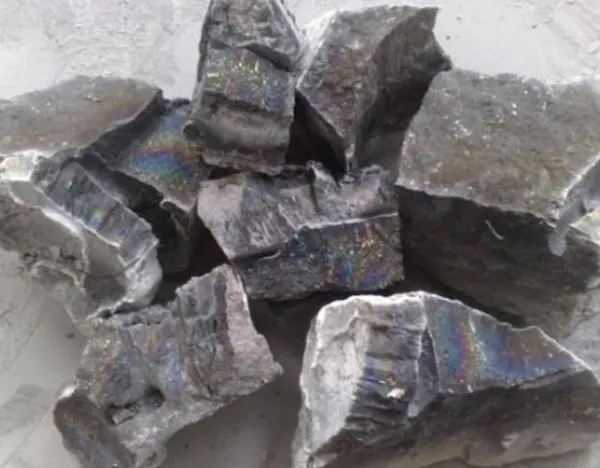
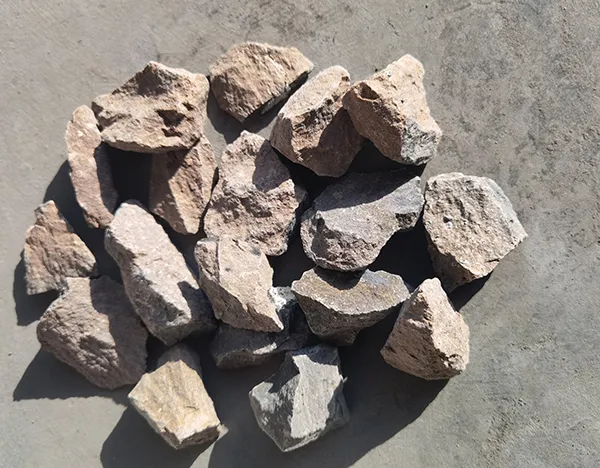
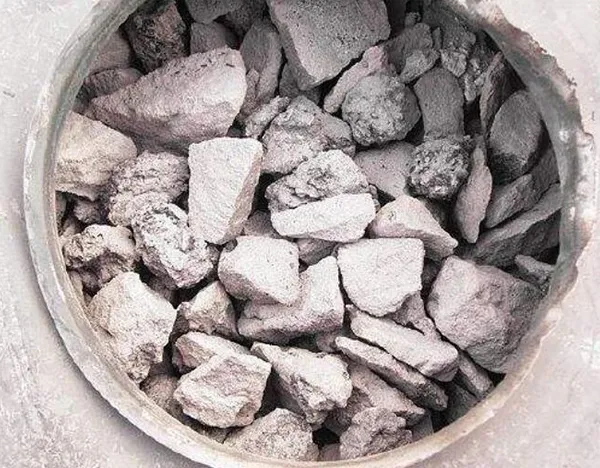
Calcium carbide, widely known as electric stone or CaC₂, possesses unique physicochemical properties such as a melting point exceeding 2200°C, excellent electrical conductivity, and reactive versatility. These characteristics have propelled its adoption beyond traditional applications, positioning it as a key player in the electronics and metallurgy sectors. Industrial professionals and technology enthusiasts alike are increasingly recognizing why more enterprises are opting for calcium carbide as a cost-effective alternative to conventional raw materials.
At its core, calcium carbide is celebrated for:
These properties bolster its suitability in environments requiring robust high-temperature conductors or reactive intermediates.
The electronics industry benefits from calcium carbide's conductive stability under extreme conditions. Its application as a component in high-temperature electrode materials is gaining traction, particularly in advanced sensor manufacturing and power electronics.
Comparative conductivity tests reveal that CaC₂-based electrodes retain over 90% efficiency after 1000°C exposure, outperforming traditional metallic electrodes which typically degrade beyond 750°C. This thermal resilience is critical for improving device longevity in harsh industrial environments.
| Material | Electrical Conductivity (S/m) | Max Operating Temp (°C) | Performance Retention (%) |
|---|---|---|---|
| Calcium Carbide (CaC₂) | 1.5 × 10⁴ | 2200 | 90+ |
| Graphite Electrode | 1.0 × 10⁴ | 3500 | 85 |
| Metallic Tungsten | 1.8 × 10⁷ | 3400 | 60 |
In metallurgy, calcium carbide plays a pivotal role in enhancing the efficiency and sustainability of steelmaking and ferroalloy production. Its ability to react swiftly with slag components reduces melting durations and energy consumption.
Industrial case studies from integrated steel plants indicate that introducing CaC₂ as a slag conditioner can decrease melting time by up to 15%, translating to an annual energy saving of roughly 10,000 MWh per facility.
Additionally, calcium carbide contributes to lowering emissions by facilitating cleaner reduction pathways, thereby assisting compliance with stringent environmental regulations.
A leading steel manufacturer in Europe integrated calcium carbide into their electric arc furnace process. Over a 12-month trial, the firm observed:
These encouraging results spotlight CaC₂’s transformative potential for metallurgical efficiency and environmental stewardship.
While traditional materials like graphite and metallic alloys have long dominated these industries, calcium carbide offers differentiated advantages:
The question many are asking is, why overlook this cost-effective, multifunctional raw material when modern industrial challenges demand innovation?
Rapid technological advancements are projected to further expand calcium carbide’s role, particularly in hybrid material composites for electronics and next-gen metallurgical catalysts. Market analyses forecast a compound annual growth rate (CAGR) of approximately 6.7% for CaC₂ demand by 2030, driven largely by needs in emerging economies and sustainable manufacturing mandates.
Is your factory missing out on the high-performance and cost-saving benefits of calcium carbide? Discover how switching to this innovative material can elevate your industrial processes today.
Explore Calcium Carbide Solutions for Electronics & Metallurgy


.png?x-oss-process=image/resize,h_600,m_lfit/format,webp)