.png?x-oss-process=image/resize,h_500,m_lfit/format,webp)
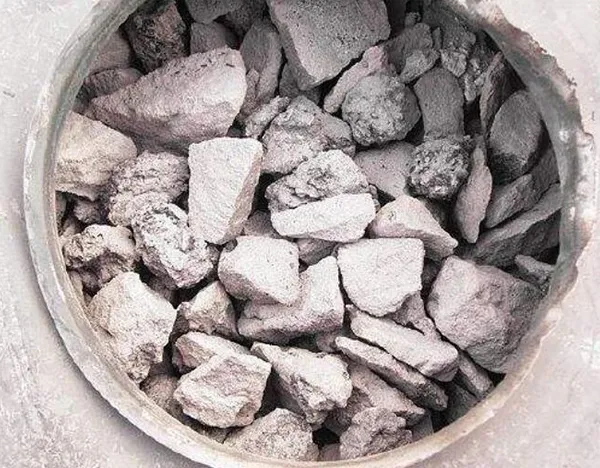
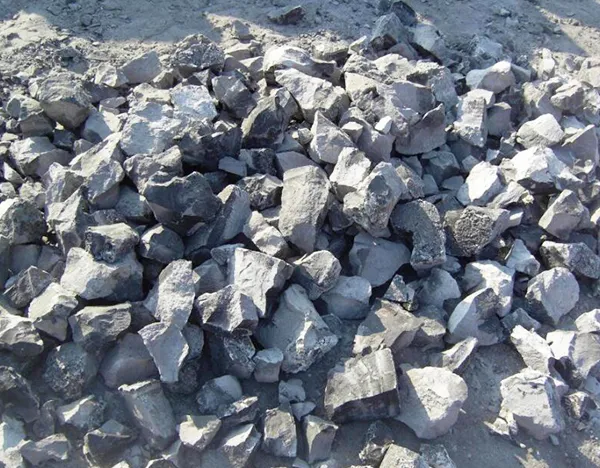
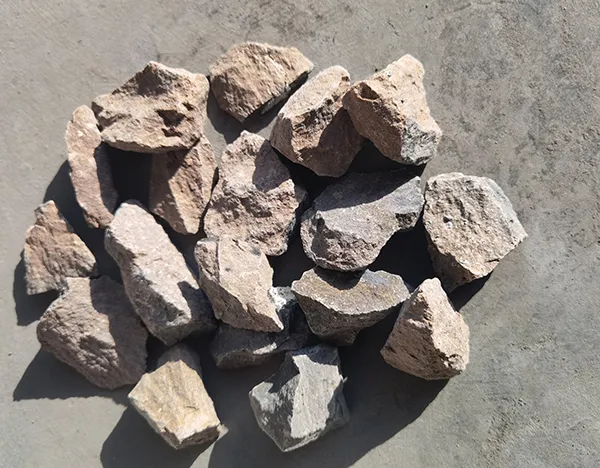
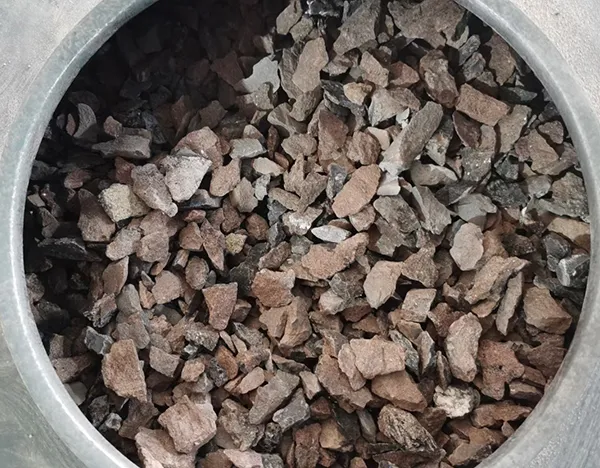
Acetylene gas, a crucial raw material in various chemical and industrial applications, is commonly produced through the hydrolysis of calcium carbide (electric carbide). Mastering the core process and technology behind calcium carbide-based acetylene generation enables industrial users to achieve efficient, stable, and safe production, significantly enhancing chemical manufacturing productivity.
Calcium carbide (CaC2) reacts vigorously with water to produce acetylene (C2H2) and calcium hydroxide (Ca(OH)2). The overall chemical reaction is:
CaC2 + 2H2O → C2H2 + Ca(OH)2
This exothermic reaction releases approximately 460 kJ/mol of heat, necessitating careful temperature management. Understanding the reaction thermodynamics is essential because it impacts acetylene purity and safety. Excessive heat may degrade acetylene or increase the risk of explosion.
| Step | Description |
|---|---|
| Raw Material Preparation | High-quality calcium carbide with minimal impurities is essential. Moisture and organic contaminants must be controlled below 0.05%. |
| Reactor Design | Common reactors are batch or continuous-flow. Material feeding and water dosing must be precisely controlled to optimize gas yield and control reaction heat. |
| Gas Purification | Removal of phosphine, arsine, and other impurities through scrubbing or adsorption units to achieve acetylene purity above 98%, critical for downstream applications. |
| Storage and Transportation | Use of properly approved high-pressure cylinders or gas holders with safety valves, ensuring leak-proof and explosion-resistant containment. |
Ensuring acetylene quality and operational safety depends on several technical factors:
Due to acetylene’s flammability and explosive potential, strict safety measures are mandatory:
One chemical manufacturer successfully enhanced acetylene production by optimizing water feed rates and incorporating advanced gas scrubbing units, increasing acetylene purity from 95% to over 99%, while reducing downtime by 15%. Such tailored adjustments underscore the importance of fine-tuning process parameters.
In light of global sustainability goals, calcium carbide-based acetylene production is evolving with innovations such as:
Mastering this core technology can make your acetylene production more efficient and safer, enabling your operations to stay competitive in today’s demanding chemical industry.
Is your industry utilizing calcium carbide technology for acetylene generation? Share your experiences and challenges in the comments below to engage with fellow professionals!


.png?x-oss-process=image/resize,h_600,m_lfit/format,webp)