.png?x-oss-process=image/resize,h_500,m_lfit/format,webp)
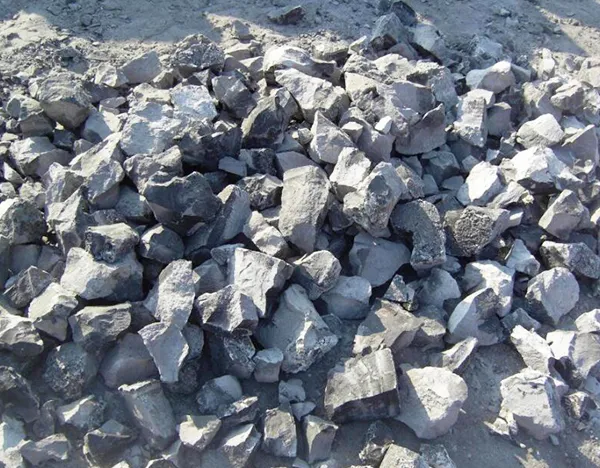
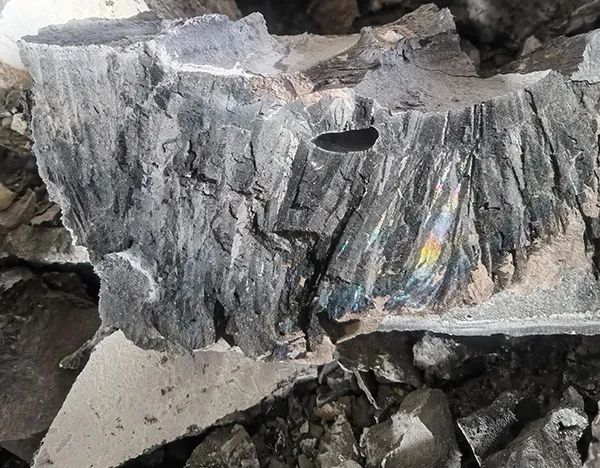
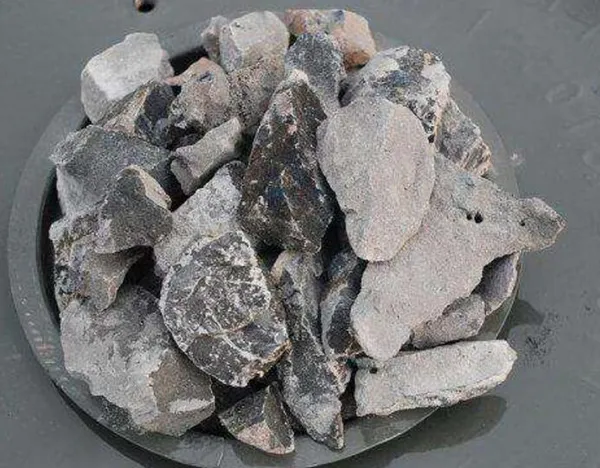
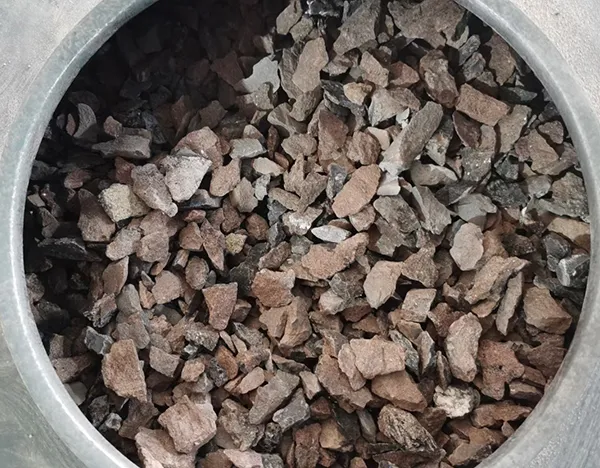
In industries ranging from steelmaking to specialty chemicals, calcium carbide—often called "electric stone"—is quietly fueling innovation. While it may not be a household name, its role in producing acetylene gas is critical for manufacturing processes worldwide. With global demand for acetylene rising at an estimated 4.7% CAGR (2023–2030), understanding this raw material’s unique advantages can unlock new B2B opportunities.
Unlike many chemical intermediates, calcium carbide has exceptional physical properties that make it ideal for industrial use:
| Application Sector | Key Use Case | Estimated Market Share (2024) |
|---|---|---|
| Steel & Metallurgy | Deoxidizer in steelmaking | ~45% |
| Chemicals | Acetylene source for vinyl chloride, PVC, and solvents | ~35% |
| Electronics | Used in semiconductor-grade carbon production | ~20% |
Take India’s JSW Steel or China’s Baowu Group—they rely on high-quality calcium carbide to maintain consistent acetylene supply for their oxygen-acetylene cutting operations. In Southeast Asia, companies like PT Petrokimia Gresik have integrated calcium carbide into ethylene-based plastic production lines, reducing reliance on imported acetylene cylinders.
A recent report by Grand View Research notes that over 60% of global acetylene producers now prefer direct calcium carbide hydrolysis over alternative methods due to lower operational costs and higher purity output—especially important in food-grade and pharmaceutical-grade applications.
Q: Can calcium carbide be safely transported and stored?
Yes—with proper packaging (sealed moisture-proof drums) and storage in dry environments, it remains stable for up to 12 months. Many suppliers offer ISO-certified handling protocols.
Q: How does quality affect acetylene yield?
For every 100 kg of pure calcium carbide, you get approximately 25–28 m³ of acetylene gas. Lower-grade materials (below 80% purity) reduce yield by up to 15%, increasing cost per unit.
These insights aren’t just academic—they’re what your potential clients are asking before they even send an inquiry.
Whether you're sourcing for chemical plants, metal fabrication, or emerging tech sectors, our certified calcium carbide meets international standards—including ASTM, ISO, and GB.
Request Free Sample & Technical Brochure

.png?x-oss-process=image/resize,h_600,m_lfit/format,webp)