.png?x-oss-process=image/resize,h_500,m_lfit/format,webp)
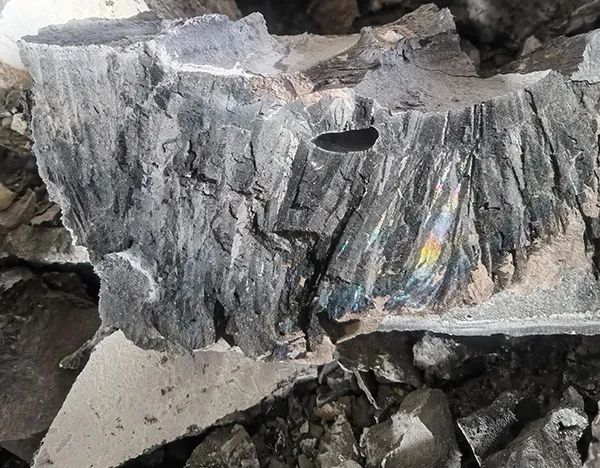
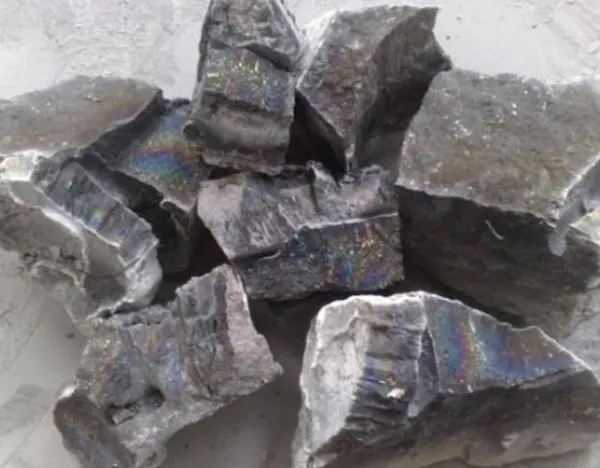
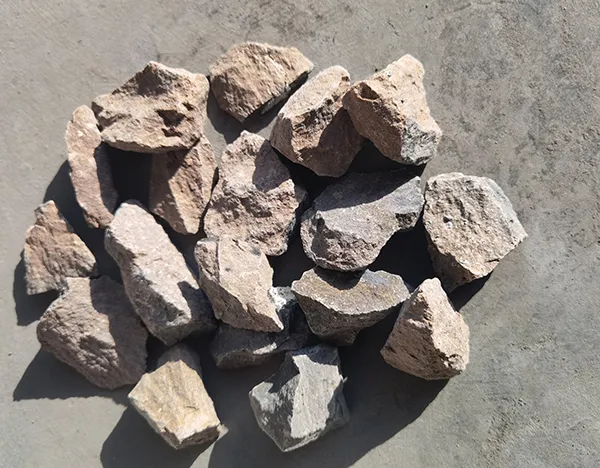
Calcium carbide (CaC₂), commonly known as electric stone, is a foundational chemical compound that powers multiple industrial processes—from metallurgy to electronics and beyond. While it may seem like a niche material, its ability to react with water and produce acetylene gas makes it indispensable for modern manufacturing.
When calcium carbide comes into contact with water, it undergoes a controlled exothermic reaction:
CaC₂ + 2H₂O → C₂H₂ (acetylene) + Ca(OH)₂
This process yields high-purity acetylene—a critical fuel for welding, cutting, and chemical synthesis. In fact, over 70% of global acetylene production relies on this method, especially in emerging markets where infrastructure costs are lower than alternative methods like methane cracking.
| Application Area | Key Use of Calcium Carbide | Global Market Share (Est.) |
|---|---|---|
| Welding & Metal Cutting | Acetylene generation for oxy-acetylene torches | ~45% |
| Chemical Synthesis | Production of vinyl acetate, chlorinated hydrocarbons | ~30% |
| Metallurgy | Deoxidizer in steelmaking, alloy additives | ~15% |
| Electronics | Raw material for silicon carbide ceramics | ~10% |
In India’s rapidly growing construction sector, local manufacturers report a 20% reduction in welding downtime when switching from propane to acetylene produced via calcium carbide. Similarly, in Southeast Asia, companies producing polyvinyl chloride (PVC) rely heavily on acetylene derived from calcium carbide due to its cost-effectiveness compared to ethylene-based routes.
A recent report by Grand View Research estimates the global calcium carbide market will reach USD 2.3 billion by 2027, growing at a CAGR of 5.8%, driven by demand from developing economies and rising use in specialty chemicals.
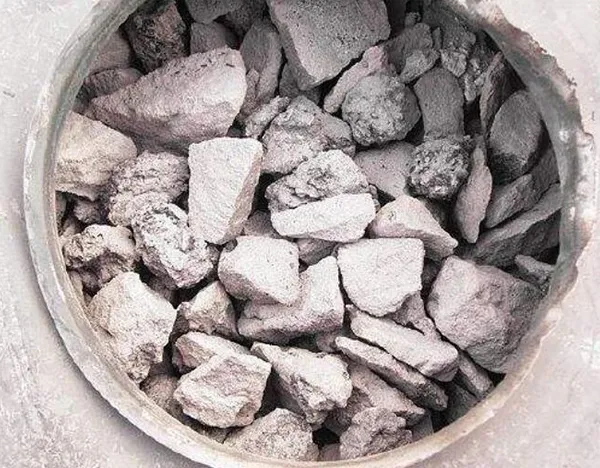
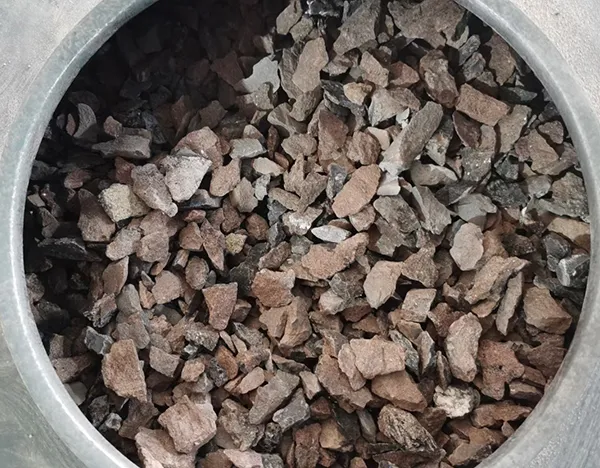
Not all calcium carbide is created equal. Quality depends on purity levels (typically 80–90% CaC₂), moisture resistance, and consistent particle size—critical factors affecting acetylene yield and safety. Leading suppliers invest in precise kiln control systems and rigorous quality checks to ensure compliance with ISO 10374 standards.
If you're sourcing raw materials for acetylene-based operations or exploring new applications in metal treatment or polymer production, understanding these technical nuances can make the difference between efficiency and waste.
Whether you’re evaluating suppliers, optimizing your acetylene production process, or scaling up chemical manufacturing—our team has supported over 150 international clients across 30+ countries with tailored solutions.
Get Free Technical Brochure & Supplier List

.png?x-oss-process=image/resize,h_600,m_lfit/format,webp)